DbcultAccessing Vault...
6.2/10
Senior Film Conservator
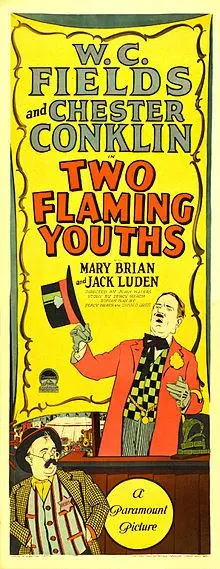
A definitive 6.2/10 rating for a film that redefined the boundaries of cult cinema. Two Flaming Youths remains a cornerstone of transgressive art.
Is Two Flaming Youths worth watching today? Short answer: yes, but with significant caveats. This rarely seen 1927 pre-Code silent comedy, starring the incomparable W.C. Fields, is less a cohesive narrative and more a chaotic, charming, and often baffling time capsule that demands a specific kind of cinematic patience.
It’s a film for those with a deep appreciation for early Hollywood's idiosyncratic humor and the formative years of comedic legends. Conversely, if you seek a tightly plotted story, modern comedic sensibilities, or pristine restoration, this particular cinematic artifact is decidedly not for you.
Early in its runtime, Two Flaming Youths establishes itself as a unique beast. It’s a relic, yes, but one that still sputters with a strange, undeniable energy. Understanding its strengths and weaknesses is key to appreciating its place in film history.
This film works because: it offers an unparalleled, unvarnished glimpse into the raw, unrefined comedic genius of W.C. Fields in his early career, surrounded by a troupe of vaudevillian talents. The sheer, unbridled chaos of its script, penned by a veritable army of writers including the legendary Herman J. Mankiewicz, results in moments of accidental brilliance and genuine, if disjointed, hilarity.
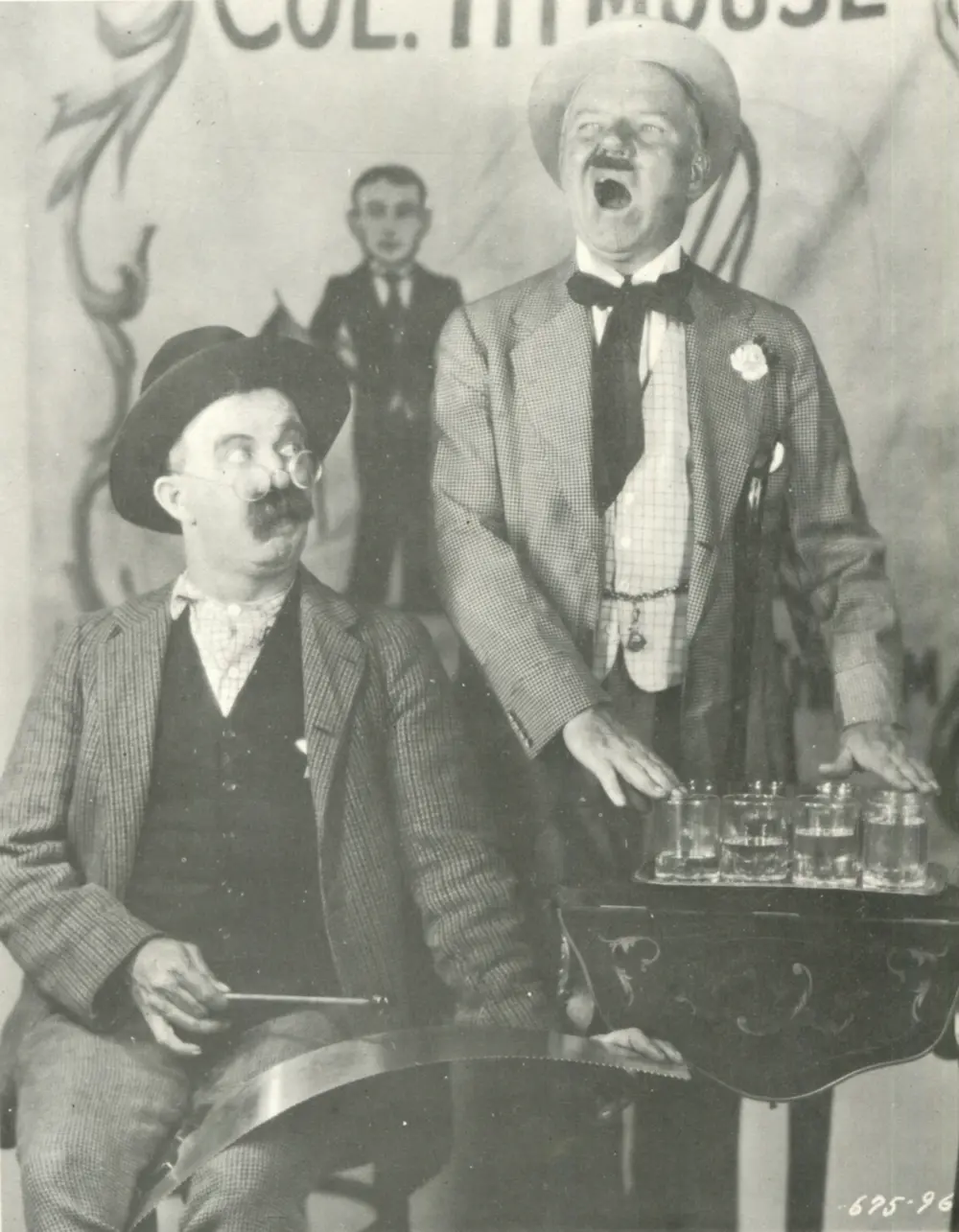
This film fails because: its narrative cohesion is almost non-existent, feeling more like a series of interconnected vaudeville sketches than a singular story. The pacing often lurches, and while the freedom of the pre-Code era is evident, it also means a lack of the structured comedic timing that would define later classics. It's a rough diamond, perhaps too rough for many modern viewers.
You should watch it if: you are a film historian, a W.C. Fields completist, or someone fascinated by the experimental and often bizarre nature of early silent comedies. It’s an invaluable piece of the puzzle for understanding the evolution of cinematic humor.
Two Flaming Youths is less a film with a plot and more a vehicle for a series of comedic set pieces. The central premise – a love triangle complicated by mistaken identity and financial opportunism – serves primarily as a flimsy scaffold upon which to hang gags. Sheriff Ben Holden's unrequited affection for hotelier Madge Malarkey is introduced, then almost immediately overshadowed by Gabby Gilfoil’s arrival, a character whose sole purpose seems to be stirring the pot for monetary gain.
The film revels in a distinctly pre-Code tone, an almost anarchic disregard for conventional morality. Characters are driven by greed and self-interest, with romance taking a back seat to the pursuit of a quick buck. This cynical undercurrent, while perhaps shocking to some, is precisely what gives the film its unique flavor. It’s a comedy of errors where the 'errors' are often deliberate cons, executed with a charming, if ethically dubious, glee.
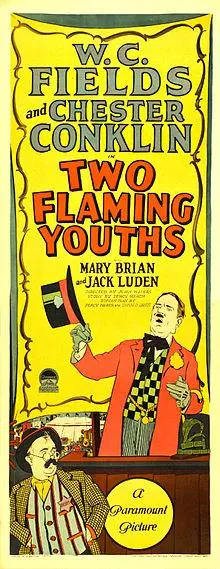
One could argue the film's greatest strength lies in its refusal to be easily categorized. It’s a farce, a slapstick showcase, and a character study of low-rent hustlers all rolled into one, albeit imperfectly. The narrative meanders, often feeling like the writers – a dizzying roster including Herman J. Mankiewicz and Norman Z. McLeod – threw every idea at the wall to see what stuck. Surprisingly, enough does to keep it engaging for those attuned to its particular frequency.
The true draw of Two Flaming Youths is undoubtedly its cast, a veritable who’s who of vaudeville and early Hollywood talent. W.C. Fields, in particular, is in his element. His signature brand of gruff, world-weary humor, punctuated by his unique physical comedy and exasperated glances, is already fully formed here. Even in the silent era, Fields’ presence is magnetic; his slow burns and muttered asides (conveyed through title cards, naturally) are a masterclass in comedic timing.
While the plot summary highlights Ben Holden and Gabby Gilfoil, Fields' presence often dominates the screen, even when other actors are delivering more lines (or, rather, more title cards). His interactions, often involving frustrated attempts to maintain dignity amidst chaos, are the film's comedic backbone. Consider a scene where he’s attempting a simple task, only for it to devolve into a calamitous mess – a recurring motif that would define his career. He doesn't just play a character; he embodies a comedic philosophy.
Mary Brian, who plays Madge Malarkey, brings a necessary groundedness to the proceedings, even if her character is ultimately a prize to be won or a pawn in a scam. Her reactions often serve as the audience's anchor in the swirling comedic maelstrom. The supporting cast, including George Moran and the prolific Wallace Beery, contribute to the boisterous atmosphere, each bringing their own distinct vaudevillian energy. It's an unpolished gem of collaborative comedic performance.
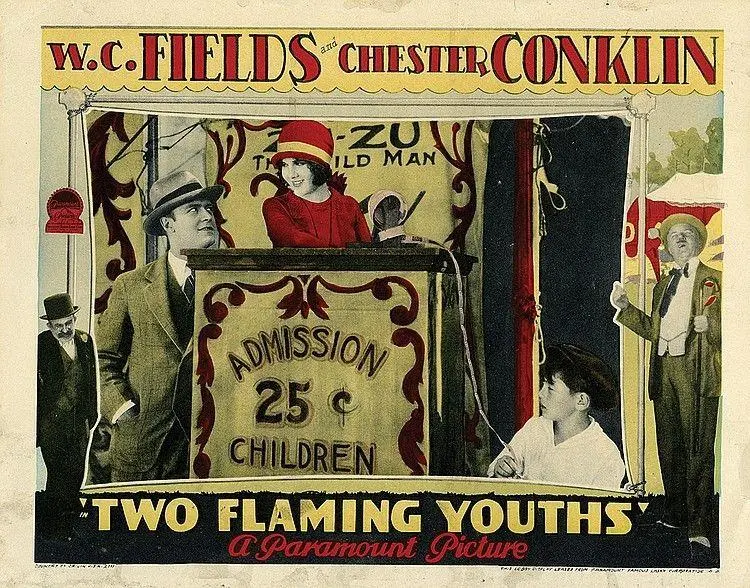
This film's greatest triumph is its ensemble. It’s a glorious mess, but a human one.
Norman Z. McLeod, at the helm, navigates the sprawling, multi-authored script with a directorial style that prioritizes gag delivery over narrative elegance. This isn't a film concerned with subtle character arcs or intricate plotting; it's about setting up the next laugh. The direction is often broad, perfectly suited to the exaggerated expressions and physical comedy inherent in silent cinema. McLeod understands the rhythm of vaudeville, translating its episodic nature to the screen.
The script, a product of no less than eight credited writers, including the legendary Herman J. Mankiewicz (who would later co-write Citizen Kane), is a fascinating artifact. One can almost see the different comedic sensibilities clashing and coalescing on screen. There are moments of brilliant wordplay (via title cards) alongside extended sequences of pure physical comedy. This collaborative, almost 'assembly line' approach to screenwriting, while common in the era, here results in a surprisingly coherent, if rambling, comedic voice.
The pacing is a mixed bag. Some sequences feel protracted, allowing gags to play out perhaps longer than necessary, while others zip by with surprising speed. This unevenness is a hallmark of many early comedies, where the balance between sketch-like segments and overarching story was still being refined. However, it's precisely this raw, unpolished energy that gives Two Flaming Youths its charm. It feels spontaneous, almost improvised at times, a direct contrast to the more polished studio productions that would follow.
As a silent film from 1927, Two Flaming Youths relies heavily on visual storytelling and the expressive power of its actors. Cinematography, while not groundbreaking, is functional, capturing the chaotic action with clarity. The sets are typical of the era – functional, but with enough detail to establish the small-town hotel and carnival settings. The use of close-ups is effective in highlighting the actors' exaggerated reactions, particularly Fields' famous glare of exasperation.
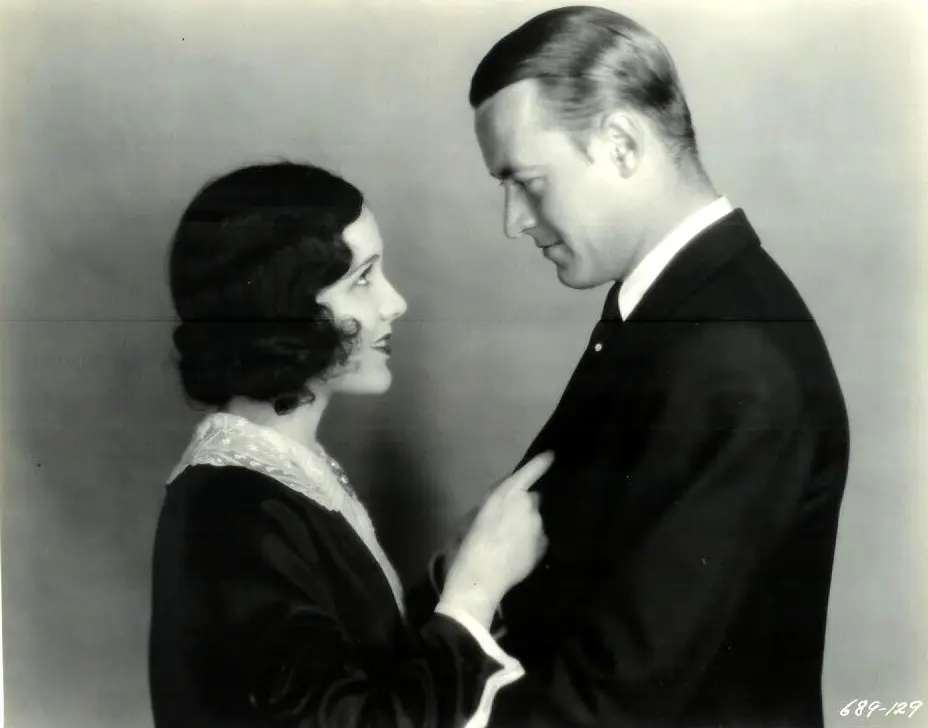
The lack of synchronized dialogue means that all comedic heavy lifting falls to the performers' physicality and the wit of the title cards. This forces a different kind of engagement from the audience, one that requires active interpretation of expressions and gestures. The film serves as a powerful reminder of how effective silent cinema could be in conveying humor, even without the aid of spoken words or a sophisticated score (though it would have been accompanied by live music in its original run).
It works. But it’s flawed. The visual language is simple, direct, and serves the comedic purpose without unnecessary flourish. This isn't a film that aims for visual poetry; it aims for laughs, and often hits its mark through sheer, unadulterated silliness and the unique charisma of its stars.
For the casual viewer seeking modern entertainment, Two Flaming Youths will likely feel dated and disjointed. Its humor is broad, its pacing uneven, and its narrative structure is more akin to a series of vignettes than a cohesive story. You'll need patience and a willingness to engage with a different cinematic language.
However, for film historians, W.C. Fields aficionados, or anyone fascinated by the evolution of American comedy, this film is an absolute must-see. It offers an invaluable, unvarnished look at a pivotal moment in cinematic history, showcasing the raw talent of its stars before the full transition to sound. It's a foundational text for understanding the comedic landscape that birthed legends.
It’s not just a historical curiosity; it’s a living document of a specific comedic style. The film’s chaotic energy, while challenging at times, also feels surprisingly fresh in its irreverence. It’s a testament to the pre-Code era's freedom to explore morally ambiguous themes with a wink and a nod.
Two Flaming Youths is not a film for everyone. It’s a ramshackle, often baffling, but ultimately fascinating piece of cinematic history. It demands patience and a specific appreciation for the anarchic spirit of early Hollywood comedy. What it lacks in narrative finesse, it more than makes up for in sheer, unbridled comedic energy and the magnetic presence of W.C. Fields.
While it fails as a conventionally structured film, it triumphs as a vibrant, if chaotic, showcase for a bygone era of entertainment. It’s a film that reminds us that even in the early days, cinema was willing to be audacious, irreverent, and gloriously messy. Go in with the right expectations, and you'll find a rewarding, if peculiar, journey into the roots of American humor. It’s a testament to the fact that even a film with The Mystery Road's straightforwardness can be less engaging than a delightful mess like this.
IMDb 6.1
1935
Community
Log in to comment.