DbcultAccessing Vault...
6.8/10
Senior Film Conservator
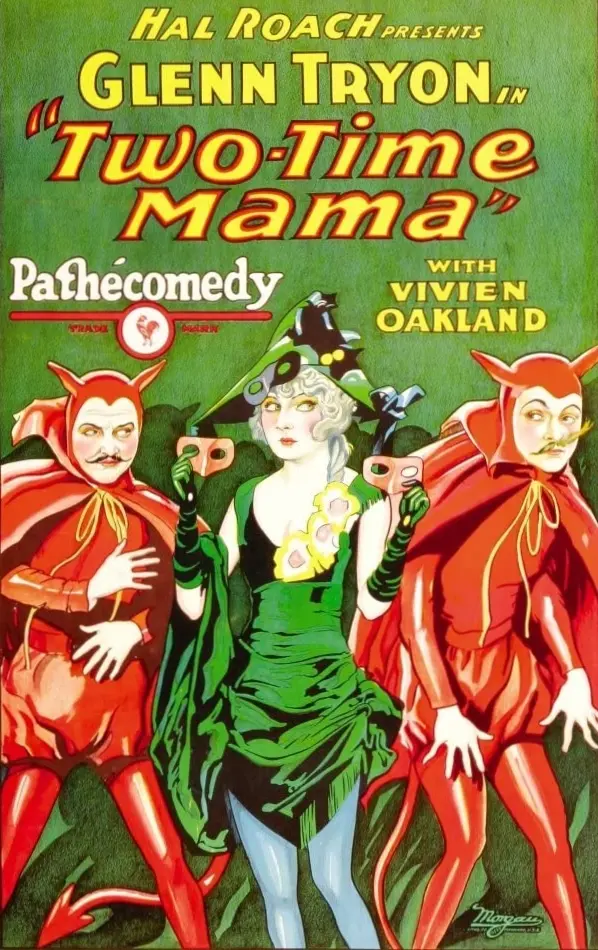
A definitive 6.8/10 rating for a film that redefined the boundaries of cult cinema. Two-Time Mama remains a cornerstone of transgressive art.
Is Two-Time Mama a hidden masterpiece of the silent era? Short answer: Yes, but only for those who can find rhythm in the chaotic, repetitive beats of 1920s domestic farce.
This film is for the cinematic archaeologist and the slapstick purist who enjoys seeing the gears of a gag turn in real-time. It is definitively NOT for those who require narrative subtext or a break from the relentless energy of 'husband-in-trouble' tropes.
1) This film works because Glenn Tryon’s physical elasticity bridges the gap between the frantic energy of the early 20s and the more character-driven comedy of the late 20s.
2) This film fails because the central conflict—a husband lying about his whereabouts—is a trope that was already feeling threadbare even in 1927, leading to a predictable second act.
3) You should watch it if you are a completionist of the Hal Roach studio output or want to see Oliver Hardy refining his 'heavy' persona before his legendary partnership.
Watching Two-Time Mama in the 21st century requires a recalibration of the senses. The direction is invisible, which is exactly what a Hal Roach production demanded. The camera stays wide enough to capture the full body of the performers, ensuring that every stumble and double-take is documented with clinical precision. Unlike the more experimental The Napoleonic Epics, this film is grounded in the geometry of the living room.
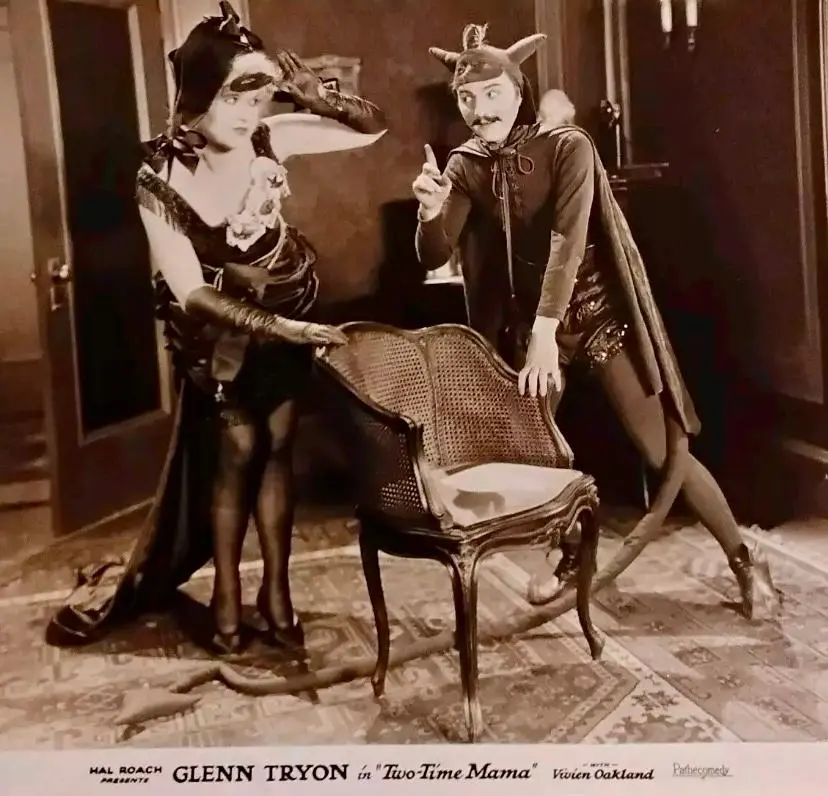
The pacing is relentless. From the moment Tryon enters the frame, there is a palpable sense of dread that propels the action forward. It’s a frantic sprint. The film doesn't breathe, and in the world of 1920s shorts, that was a feature, not a bug. However, this high-octane approach can feel exhausting for a modern viewer used to the 'slow cinema' or even the more nuanced beats of contemporary sitcoms.
Take, for instance, the sequence involving the hiding of the coat. It is a masterclass in spatial awareness. Tryon moves through the set like a pinball, his movements dictated by the line of sight of his wife and the neighbor. It works. But it’s flawed by its own insistence on repeating the beat three times too many.
Glenn Tryon is an interesting case study in silent comedy. He possessed the athleticism of Harold Lloyd but lacked the specific 'everyman' charm that made Lloyd a superstar. In Two-Time Mama, Tryon is a whirlwind of anxiety. His performance is loud, even without sound. Every blink is a statement; every shrug is a paragraph.
Compare his work here to his performance in Keep Smiling, and you see a performer who was constantly on the verge of a breakthrough that never quite reached the heights of the 'Big Three' (Keaton, Chaplin, Lloyd). He is technically proficient, but there is a certain coldness to his precision. You admire the work, but you don't necessarily root for the character. He’s a victim of his own screenplay.
The real draw for modern audiences is Oliver Hardy. Here, he isn't yet the 'Ollie' we know from Laurel & Hardy, but the seeds are being sown. His interactions with Tryon provide the film’s most grounded moments. Hardy’s performance here is a masterclass in the 'slow burn.' He doesn't just react; he marinates in his own suspicion.
There is a specific moment where Hardy looks at the camera—a proto-version of his famous direct-to-audience stare—that elevates the entire scene. It breaks the fourth wall just enough to let the audience in on the joke. It is a surprising observation, but Hardy is actually the emotional anchor of this film, despite being a supporting player. Without his skepticism, Tryon’s antics would feel untethered from reality.
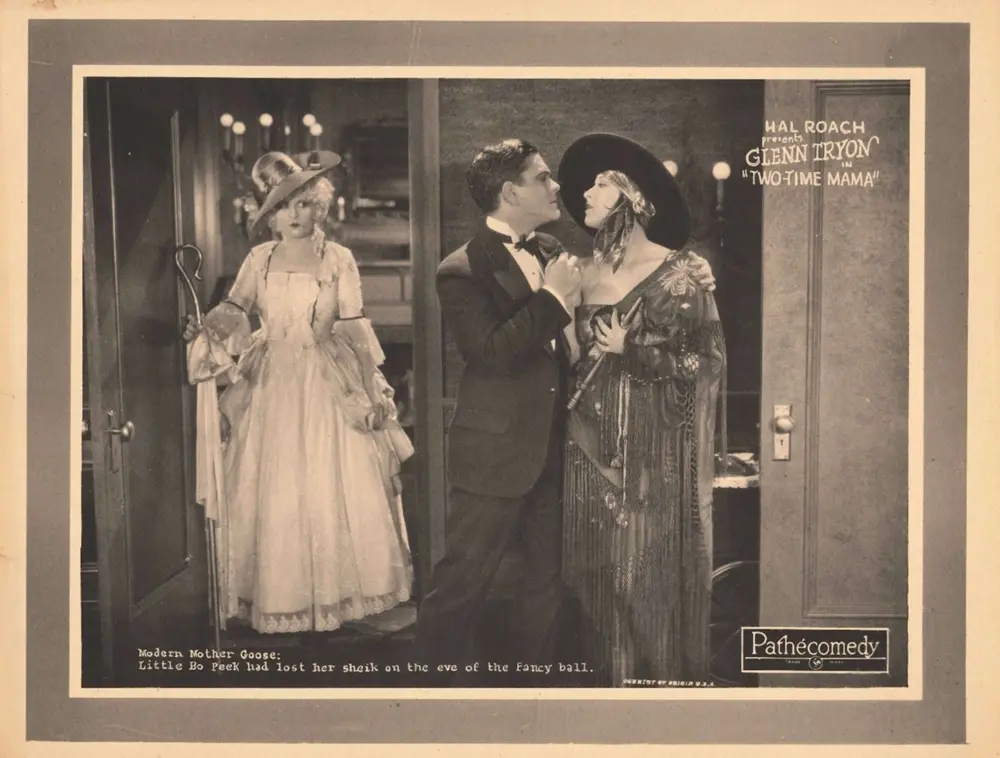
Yes, Two-Time Mama is worth watching if you appreciate historical context. It represents the peak of the Hal Roach 'house style' before the talkies changed the grammar of comedy. While it may not have the poetic depth of The Return of Peter Grimm, it excels at its singular goal: making people laugh through escalating absurdity.
It is a short, sharp shock of comedy. It doesn't overstay its welcome. If you can overlook the dated gender dynamics—where the wife is essentially a hurdle to be cleared—there is a lot of craftsmanship to admire in the stunt work and the timing.
The cinematography in Two-Time Mama is functional rather than artistic. The lighting is flat, designed to ensure that no gag is lost in shadow. This was the standard for Roach comedies of the era, contrasting sharply with the more atmospheric work seen in films like The Place Beyond the Winds. Here, the set is a stage, and the camera is a front-row seat.
The tone is one of sustained hysteria. It starts at a seven and ends at an eleven. This lack of dynamic range is the film's biggest hurdle. By the time we reach the climax, the audience is as worn out as the protagonist. However, the sheer audacity of the final gags—involving a chaotic chase and a final, ironic twist—manages to land because of the cast's total commitment to the bit.
Pros:
Cons:
Two-Time Mama is a loud, sweaty, and undeniably impressive piece of mechanical comedy. It doesn't have a soul, but it has a hell of a motor.
Ultimately, Two-Time Mama succeeds as a genre piece. It is a polished example of a forgotten style of filmmaking. While it lacks the emotional resonance of Chaplin or the intellectual curiosity of Keaton, it possesses a raw, kinetic energy that is infectious. It is a minor work in the grand scheme of cinema, but a vital one for understanding the evolution of the American gag. It’s worth the twenty minutes of your life, if only to see Hardy start to become the legend we now celebrate.
IMDb 5.2
1934
Community
Log in to comment.