DbcultAccessing Vault...
6.2/10
Senior Film Conservator
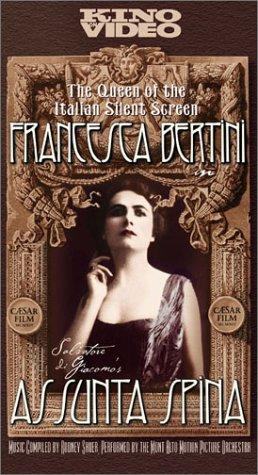
A definitive 6.2/10 rating for a film that redefined the boundaries of cult cinema. Assunta Spina remains a cornerstone of transgressive art.
In the pantheon of early silent cinema, few works vibrate with the same unadulterated vitality as Assunta Spina. Released in 1915, this film represents a seismic shift away from the staged, theatrical artifice that characterized much of the era's output. While contemporary works like The Chimes were still grappling with the transition from literature to lens, Assunta Spina plunged headfirst into the 'verismo' movement, capturing the grit, the sweat, and the volatile temperament of Naples with a documentary-like ferocity. The film doesn't merely depict a location; it breathes the very air of the Mediterranean coast, utilizing the natural light and the bustling crowds of the city to create a sense of immersion that was decades ahead of its time.
The narrative, adapted from Salvatore Di Giacomo’s play, serves as a skeleton for something far more complex: a psychological study of a woman caught between the hammer of patriarchal possession and the anvil of social survival. Francesca Bertini, who not only starred but also exerted significant creative control (often credited alongside Gustavo Serena as a primary creative force), delivers a performance that obliterates the 'diva' archetypes of the 1910s. Unlike the ethereal, almost ghostly presence found in some northern European dramas like För fäderneslandet, Bertini’s Assunta is tactile, earthy, and dangerously alive.
To understand the impact of Assunta Spina, one must acknowledge the gravitational pull of Francesca Bertini. She was the first true 'diva' of the screen, yet here she subverts that very status. Her movements are not the grand, sweeping gestures of the stage; they are the sharp, defensive posturing of a woman used to navigating a hostile environment. When she walks through the laundry where she works, the camera follows her with a persistence that suggests a proto-feminist gaze. She is the object of desire, yes, but she is also the engine of the plot. Her chemistry with Michele (Alberto Albertini) is fraught with a tension that feels genuinely dangerous, a stark contrast to the more sanitized romances found in films like The Life of St. Patrick.
The scene of the assault, where Michele slashes Assunta’s face in a fit of jealousy, is handled with a restraint that paradoxically heightens the horror. We see the aftermath—the bandage, the scar—not just as a physical wound, but as a branding. In the world of Naples, beauty is a liability, a catalyst for male violence that the law only seeks to punish after the blood has already been spilled. This thematic depth mirrors the moral complexities explored in Dzieje grzechu, where the protagonist's descent is fueled by the very society that claims to uphold virtue.
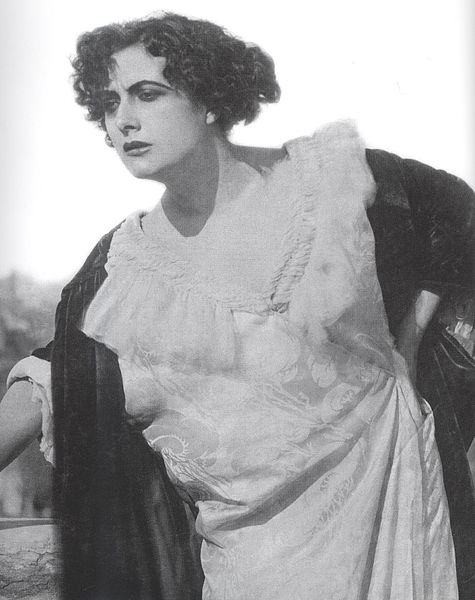
As the plot unfolds, Assunta is forced into a corner. Michele is sentenced to two years in prison, and the prospect of his transfer to a distant penal colony threatens to sever their bond forever. Enter Federigo (Gustavo Serena), the vice-chancellor of the court. Federigo represents the corruptible heart of the state—a man who uses his institutional power to extract sexual favors. The deal he offers Assunta is simple and devastating: he will ensure Michele stays in the local prison if Assunta becomes his mistress. This pivot in the story elevates the film from a simple tale of jealousy to a scathing critique of class and power.
Assunta’s decision is not born of a lack of morality, but of an abundance of loyalty. Her 'sin' is a sacrifice, a concept that resonates with the hagiographic weight of The Life of St. Patrick, yet stripped of any divine comfort. Here, the only 'god' is the social order, and it is a cruel one. The cinematography during these sequences shifts toward a more claustrophobic style. The open spaces of the market are replaced by the shadows of Federigo’s apartment, a gilded cage that reflects Assunta’s growing despair. The contrast between her vibrant public persona and her hollowed-out private life is a masterclass in visual storytelling, predating the sophisticated lighting techniques seen in later epics like Sixty Years a Queen.
The return of Michele is handled with the dread of a ticking clock. When he is released early—thanks ironically to the very influence Assunta 'purchased' with her body—the collision is inevitable. The final confrontation between Michele and Federigo is brief, violent, and devoid of any cinematic flourish. It has the raw, unchoreographed feel of a street fight, reminiscent of the documentary realism found in early sports films like The Corbett-Fitzsimmons Fight. Michele’s act of murder is the final eruption of the toxic masculinity that has defined the film’s world from the first frame.
However, the film’s true power lies in its final minutes. Assunta, seeing the man she loves about to be taken away again, takes the blame for the murder. It is a moment of staggering emotional weight. By claiming the crime as her own, she finally seizes control of her narrative, even if it means her own destruction. This act of martyrdom is more visceral than the historical sacrifices seen in Locura de amor because it is so grounded in the mundane reality of her life. She isn't a queen or a saint; she is a laundress who has run out of options.
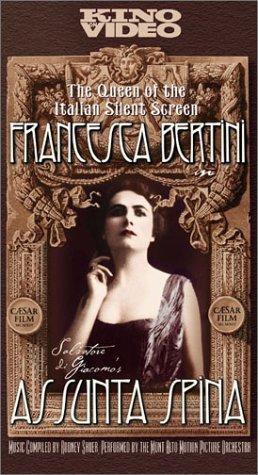
Assunta Spina stands as a towering achievement because it refused to look away from the ugly truths of its time. While other 1915 releases like The Story of the Kelly Gang were exploring the myth-making of outlaws, Bertini and Serena were interested in the unvarnished reality of the urban poor. The film’s use of location shooting in the slums of Naples was a revolutionary act that would later influence the Italian Neorealist movement of the 1940s. Directors like De Sica and Rossellini owe a debt to the visual language established here—the way the camera lingers on a tattered shawl or a bowl of pasta, finding the epic within the everyday.
The writing, credited to a trio including the legendary Salvatore Di Giacomo, ensures that the dialogue (presented through intertitles) never feels stilted. There is a poetic economy to the language that matches the efficiency of the editing. Even when compared to international contemporaries like At the Cross Roads, Assunta Spina feels remarkably modern in its pacing. It doesn't waste time on subplots; it is a straight line drawn from passion to ruin.
To watch Assunta Spina today is to witness the birth of cinema as a sophisticated psychological tool. It moves beyond the spectacle of early shorts like Rescue of the Stefansson Arctic Expedition and enters the realm of high art. It challenges the viewer to empathize with characters who are deeply flawed and trapped by their environment. The film’s enduring relevance lies in its refusal to offer easy answers. Is Assunta a victim or a hero? Is Michele a monster or a product of his culture? The film leaves these questions hanging in the humid Neapolitan air.
In the final shot, as Assunta is led away by the carabinieri, the screen fades to black, but the image of Bertini’s defiant, tear-streaked face remains burned into the mind. It is a haunting conclusion to a film that dared to suggest that for the women of Naples, the only thing more dangerous than being hated was being loved. This is essential viewing for anyone who wishes to understand the roots of European cinema and the eternal power of a performance that transcends the silence of the medium.
IMDb —
1934
Community
Log in to comment.