DbcultAccessing Vault...
1.6/10
Senior Film Conservator
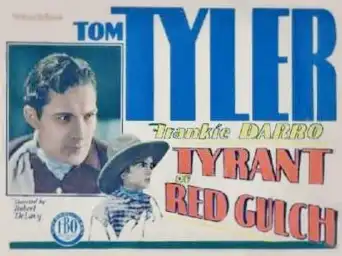
A definitive 1.6/10 rating for a film that redefined the boundaries of cult cinema. Tyrant of Red Gulch remains a cornerstone of transgressive art.
So, Tyrant of Red Gulch. Is it worth watching today? Only if you’ve got a serious soft spot for the kind of low-budget, slightly unhinged B-westerns that used to fill Saturday matinees. If you’re into the quirks and outright bizarre plot points that only pop up when a foreign government somehow gets involved in a dusty mine operation, then yes, pull up a chair. Everyone else, especially those expecting anything resembling modern cinema, will probably find it an absolute chore.
Tom Tyler, our stoic hero, rides into frame with that familiar squint, and you know exactly what kind of ride you're in for. He’s the strong, silent type, which is good, because a lot of the dialogue here feels like it was written on a napkin five minutes before shooting. There’s a scene early on where he’s trying to get information out of a local, and the back-and-forth feels so stilted, like they’re both reading from cue cards for the first time. The silence that follows a particularly clunky exchange goes on just a beat too long, and you can almost hear the director thinking, “Cut? No, let’s just… hold it.”
The whole “foreign government” angle is truly something. It’s never really explained beyond a few vague pronouncements from Harry Woods’ character, who plays the dastardly uncle. He’s got this slightly too-nice suit for a guy running a slave mine in the middle of nowhere. You half expect him to pull out a diplomatic passport instead of a six-shooter. It gives the whole conflict this wonderfully absurd, almost cartoonish edge that I found myself giggling at more than once. It’s not serious, not for a second, but it commits.
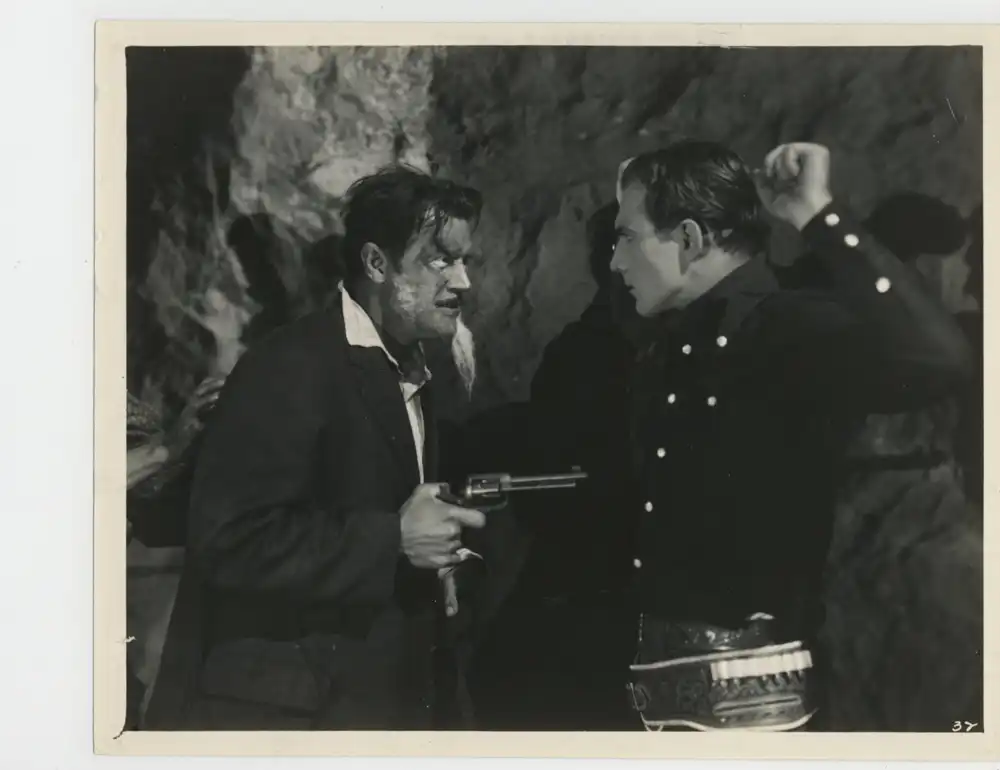
Frankie Darro, as the kid brother, is the real energetic spark here. He’s got this frantic, almost manic energy that stands out against Tom Tyler’s calm. There’s a moment where he’s trying to sneak past some guards, and he’s so visibly tensed up, almost vibrating with nerves, that it actually sells the danger better than any of the poorly choreographed fistfights. You believe this kid is genuinely scared and trying to be brave.
The mine scenes themselves… well, they’re mostly dark. And dusty. You don't get much sense of the scale or the claustrophobia, just a lot of men in ragged clothes swinging picks in what looks like a very small, very obvious set. The prospectors being forced into labor rarely look particularly downtrodden. More like they’re waiting for their lunch break. It’s hard to feel much sympathy when the stakes feel so low visually.
Pacing is all over the place. Some scenes zip by with a surprising amount of action, usually involving horses or a quick shootout. Then you get a long, drawn-out conversation about the mine’s operations, or the foreign government’s plans, that feels like it’s padding for time. The film almost grinds to a halt during these exposition dumps, and it's here that the cracks in the acting really start to show. The camera just sits there, mostly, while people talk.
There's a chase sequence near the end where Tom Tyler is pursuing the villain across some rocky terrain. For a split second, you catch a glimpse of what looks like a modern-ish fence in the background, totally out of place. It’s one of those blink-and-you’ll-miss-it things, but once you see it, you can’t unsee it. Adds to the charm, I guess.
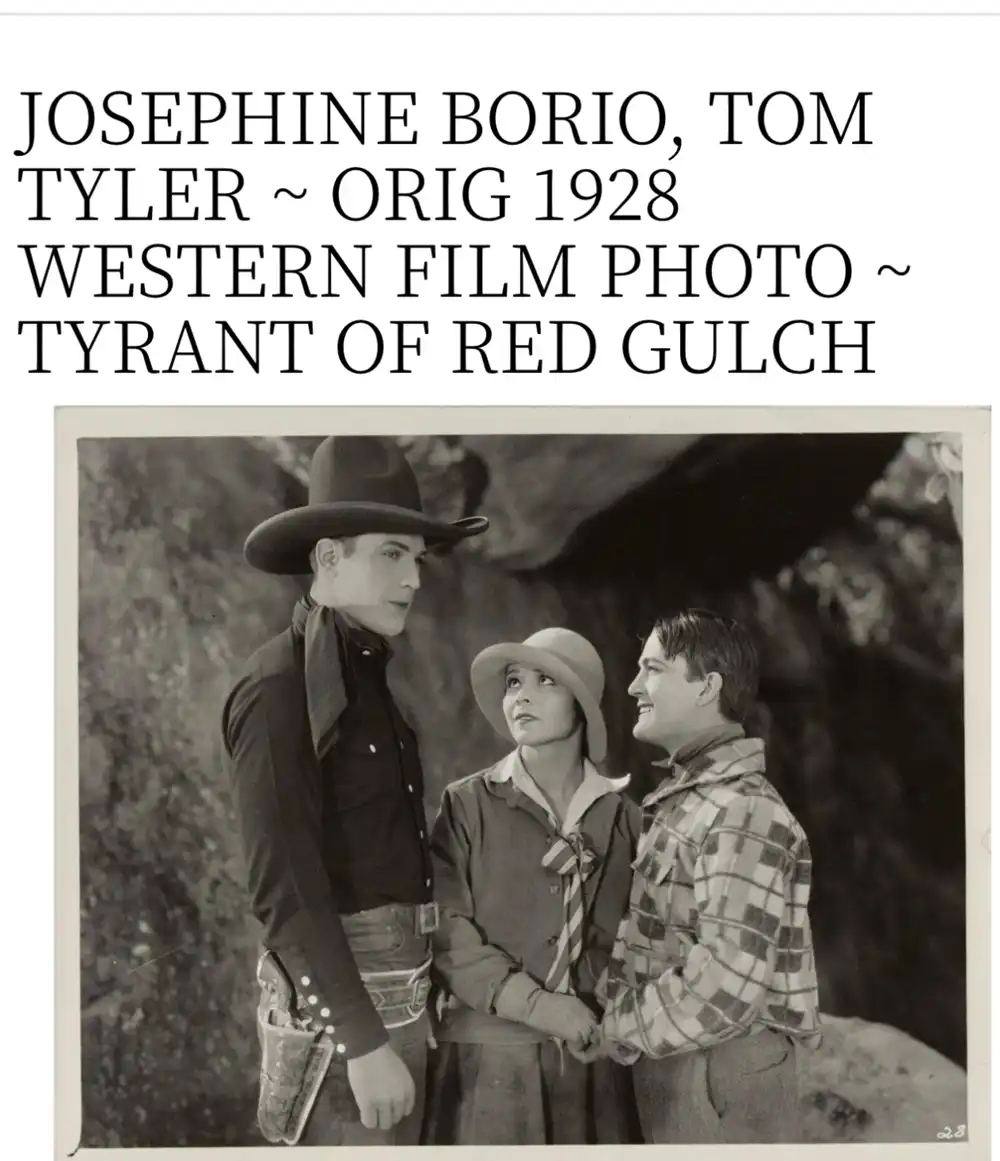
The chemistry between Tyler and Josephine Borio (playing the girl) is… functional. It’s a B-western, so don't expect sparks. She mostly looks worried, he mostly looks determined. It gets the job done without ever threatening to become interesting. Their glances are more polite than passionate.
Ultimately, Tyrant of Red Gulch is a relic. It’s got that strange, almost naïve earnestness of films from its era, where a cowboy could single-handedly take on an international conspiracy with little more than a horse and a good heart. It’s a fascinating watch if you enjoy dissecting the oddities of old cinema, but it’s certainly not a hidden gem in terms of narrative or performance. It just… is. And sometimes, that’s enough.
IMDb —
1929
Community
Log in to comment.