DbcultAccessing Vault...
Cult Review
Senior Film Conservator
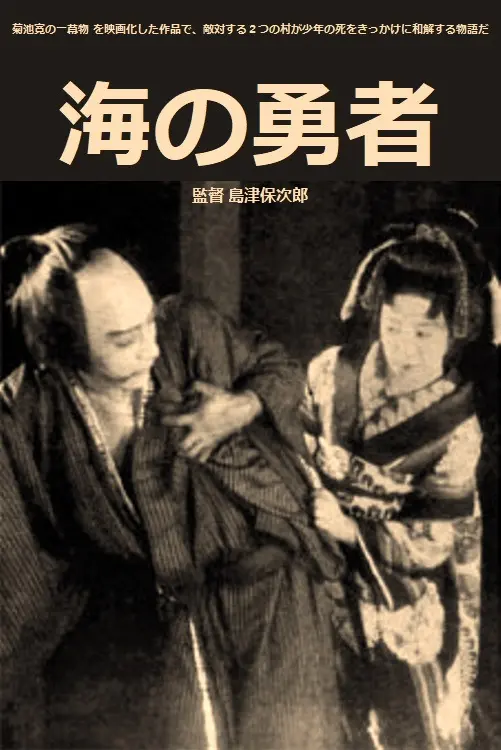
Is Umi no yuja worth watching today? Short answer: yes, but with significant caveats that speak to its age and cultural specificity. This film is an essential watch for cinephiles interested in early Japanese drama and the evolution of cinematic storytelling, particularly those who appreciate slow-burn narratives centered on social dynamics and grief. However, it is decidedly not for viewers seeking fast-paced action, clear-cut resolutions, or modern narrative conventions.
It demands patience, a willingness to engage with a theatrical aesthetic, and an appreciation for the subtle shifts in human emotion that often unfold without overt declaration. For the right audience, its power is undeniable; for others, it might feel like an arduous journey.
This film works because of its unflinching commitment to exploring the complex, often messy, path to forgiveness, grounding a universal theme in raw, period-specific performances.
This film fails because its deliberate pacing and sometimes overly theatrical delivery can alienate contemporary viewers accustomed to more dynamic narrative structures and naturalistic acting.
You should watch it if you are a student of early cinematic history, a fan of character-driven dramas, or someone who appreciates narratives that prioritize emotional depth and social commentary over plot mechanics.
Umi no yuja, an adaptation of Hiroshi Kikuchi’s one-act play 'The Hero of the Sea,' is a testament to the enduring power of tragedy as a catalyst for change. The premise is deceptively simple: two villages, steeped in generations of animosity, find themselves at an unexpected crossroads following the death of a young boy. What could easily devolve into further conflict instead becomes a crucible for shared grief, forcing both factions to re-evaluate their entrenched hatred.
The film doesn't simply present reconciliation as an inevitable outcome. Instead, it meticulously details the slow, arduous process of dismantling prejudice. We witness the initial shock, the lingering suspicion, and the gradual, almost imperceptible, thawing of hearts. It's a testament to the script's nuance that the boy's death isn't just a plot device; it's a profound, emotional wound that both sides must collectively tend to, revealing their shared humanity.
Consider the subtle, yet powerful, scene where representatives from both villages first convene after the tragedy. There's no grand oratorical plea for peace. Instead, the silence is heavy, punctuated only by nervous glances and the shared weight of sorrow. This understated approach allows the emotional gravity of the situation to sink in, making the eventual, tentative outreach all the more impactful.
The acting in Umi no yuja, as is often the case with films of its era, carries a distinct theatricality that might feel alien to modern audiences. Yet, within this performative style, there is a raw, compelling honesty that resonates. Utako Suzuki, in particular, delivers a performance that anchors the emotional core of the film. Her portrayal of a grieving villager, perhaps a mother or a close relative, is not one of overt histrionics, but rather a contained, simmering anguish that slowly gives way to a quiet strength.
Eiji Oshimoto, often cast in roles demanding gravitas, embodies the hardened resolve of one of the village elders. His initial resistance to peace, characterized by a stiff posture and unyielding gaze, is gradually chipped away. It’s a slow-burn transformation, culminating in a moment of reluctant vulnerability that is genuinely moving. The nuanced shift in his character's demeanor, from rigid adherence to tradition to a hesitant acceptance of shared sorrow, is a highlight.
Chieko Matsui and Shōichi Nodera, while perhaps in less central roles, contribute significantly to the ensemble. Their interactions, often through non-verbal cues – a shared glance of despair, a hesitant nod of agreement – paint a vivid picture of a community grappling with profound change. The collective performance captures the essence of a society bound by tradition, yet forced to confront its own destructive patterns. It’s a style of acting that demands patience, but rewards with genuine emotional depth once you attune to its rhythm.
While specific directorial credits for films of this period can sometimes be elusive, the visual language of Umi no yuja speaks volumes. The direction, likely influenced heavily by the stage origins, often utilizes static, wide shots that emphasize the collective over the individual. This approach grounds the narrative in its community context, allowing the viewer to observe the entire social dynamic at play.
The cinematography, while perhaps lacking the dynamic flourishes of later eras, is remarkably effective in conveying the film's somber tone. The use of natural light, often muted and diffused, lends an almost elegiac quality to many scenes. Consider the long, lingering shots of the coastal landscape, which serve as a stark, beautiful backdrop to the human drama unfolding. These vistas are not merely декорации; they become silent witnesses to the villagers' struggles, reflecting both their isolation and their inherent connection to the harsh, unforgiving environment.
One particularly memorable visual choice is the repeated framing of characters against open doorways or windows. This technique subtly emphasizes their internal conflict – caught between the confines of their past prejudices and the potential for an open future. It’s a simple, yet potent, visual metaphor that elevates the film beyond mere filmed theater.
The pacing of Umi no yuja is deliberately measured, almost meditative. This is not a film that rushes its emotional beats; it allows them to unfold slowly, demanding that the viewer truly inhabit the characters' world. For some, this will be a profound strength, allowing for deep introspection into the themes of grief and reconciliation. For others, it might prove challenging, particularly if accustomed to the faster rhythms of contemporary cinema.
The tone is consistently somber, tinged with a quiet melancholy that never fully dissipates, even in moments of tentative hope. There are no sudden bursts of joy or dramatic shifts in mood. Instead, the film maintains a consistent emotional register, reflecting the gravity of its subject matter. This unwavering commitment to its tone ensures that the emotional impact, when it finally arrives, feels earned and deeply resonant.
A specific instance of this measured pacing is evident in the aftermath of the boy's death. The film doesn't immediately jump to scenes of furious accusation. Instead, it dedicates significant screen time to the quiet, internal processing of grief within both communities, allowing the weight of the loss to settle before any dialogue of reconciliation even begins. This choice, while slowing the narrative, amplifies the subsequent emotional stakes.
Yes, Umi no yuja holds significant value for today's audience, especially those with specific interests. It's a historical document of early Japanese cinema. It offers a unique window into storytelling from a different era. The film's themes of conflict resolution and empathy remain universally relevant.
It serves as a powerful reminder of how shared sorrow can bridge divides. Viewers interested in the evolution of cinematic narrative will find much to appreciate. It's a quiet film, but its message endures. It works. But it’s flawed.
One of the most striking aspects of Umi no yuja is its reliance on the 'unseen' to convey profound emotion. The actual death of the boy, the catalyst for the entire narrative, is not graphically depicted. Instead, its impact is felt entirely through the reactions of the villagers, the hushed tones, the solemn expressions, and the sudden, unsettling quiet that descends upon the communities. This absence of explicit violence paradoxically amplifies its emotional weight, forcing the audience to imagine the horror and, in doing so, become more deeply invested in the ensuing grief.
Moreover, the film often implies the deep-seated history of animosity through subtle gestures and lingering resentments rather than expository dialogue. We don't need to see every past skirmish; the tension in a shared glance between villagers from opposing sides tells us everything. This minimalist approach to exposition is surprisingly effective, trusting the audience to fill in the gaps and engage more actively with the narrative's emotional undercurrents.
Umi no yuja is not an easy film to recommend universally, nor should it be. It exists as a quiet, powerful artifact from a bygone era, demanding a specific kind of engagement from its audience. Its strength lies in its unwavering commitment to a singular, emotionally resonant theme: the possibility of healing even the deepest societal wounds through shared suffering. It's a testament to the idea that sometimes, the most profound changes begin not with a bang, but with a whisper of grief.
While its theatricality and measured pace might deter some, those who lean into its unique rhythm will find a deeply moving and historically significant piece of cinema. It’s a film that asks you to slow down, to feel, and to reflect on the enduring human capacity for both conflict and communion. Is it a timeless classic that everyone must see? Perhaps not in the blockbuster sense. But for those who cherish cinema as a window into the human condition, past and present, it is an invaluable experience. It’s a quiet triumph, a somber beauty that lingers long after the credits roll. Seek it out if you dare to feel its weight. If you prefer the more bustling narratives of films like A Broadway Saint or the dramatic flair of The Eternal Grind, then Umi no yuja might not be your immediate choice. But for a profound, reflective experience, it’s undeniably compelling.

IMDb —
1933
Community
Log in to comment.