DbcultAccessing Vault...
Cult Review
Senior Film Conservator
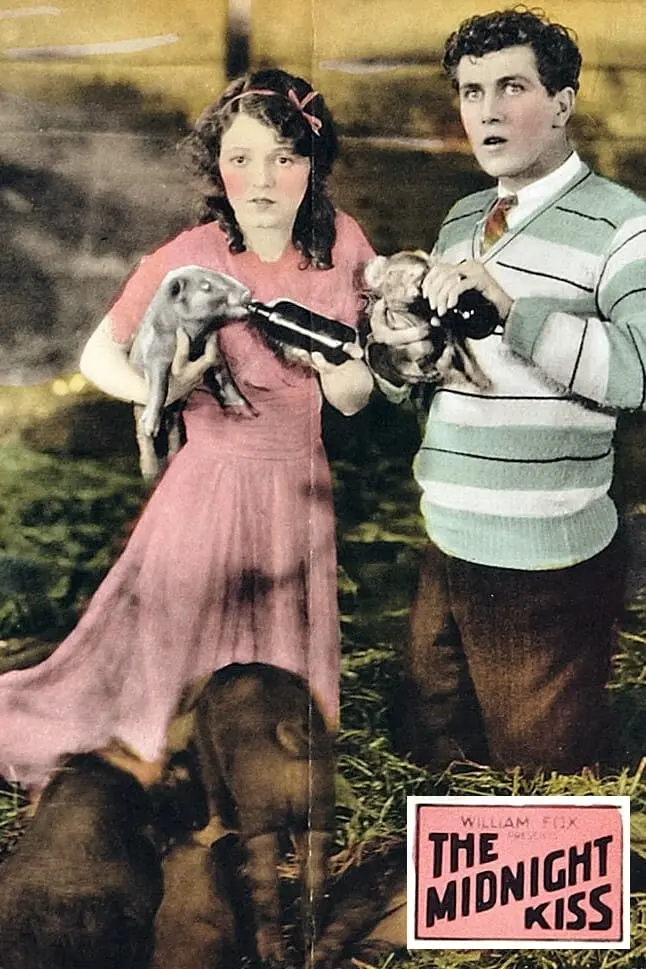
Is The Midnight Kiss a film you should track down today? Short answer: yes, but only if you have a tolerance for the tonal whiplash common in mid-20s domestic dramedies. This film is for the silent cinema completionist who enjoys watching the evolution of the 'American Go-Getter' archetype, particularly when it involves an absurd amount of livestock. It is decidedly not for those seeking a modern, morally consistent hero, as our protagonist's path to success involves a healthy dose of blackmail.
1) This film works because it subverts the 'sweet natured' boy trope by giving him a ruthless, transactional edge that feels surprisingly modern.
2) This film fails because the transition from a gentle animal-lover to a pig-flipping blackmailer happens with such speed it leaves the audience's head spinning.
3) You should watch it if you want to see a very young Janet Gaynor before she became the face of high-art silent cinema in classics like Sunrise.
The Midnight Kiss stands out because it blends a standard domestic farce with a high-stakes business subplot involving pig farming. Unlike other films of the era that focused on urban wealth, this film finds heroism in the grit of the livestock trade. It turns a young man's desperation into a frantic, overnight success story that feels surprisingly modern in its 'hustle culture' mentality.
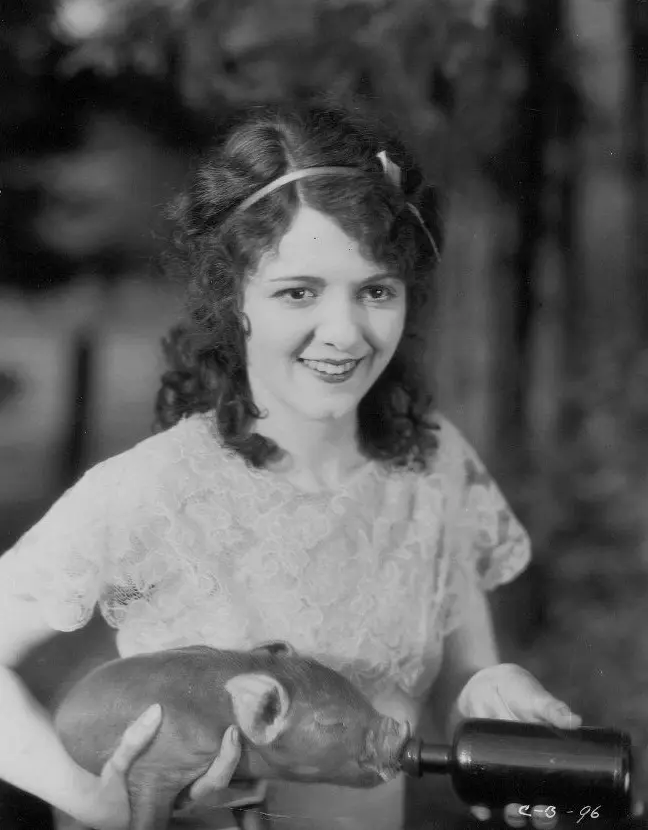
The first act of The Midnight Kiss is a masterclass in the 'overcrowded house' trope. We are introduced to the Atkins family not as a unit of harmony, but as a collection of burdens. The lazy uncle who feigns illness is a character we've seen in films like The Show-Off, yet here he feels more like a parasite than a punchline. The brother who believes himself a poet provides the necessary contrast to our protagonist; while one brother lives in the clouds of abstract art, Thomas Jr. eventually learns that the world is built on mud and money.
The 'irascible grandmother,' played with a delightful acidity by Tempe Pigott, serves as the film's ticking clock. Her constant dissatisfaction heightens the stakes for Thomas and Ellen. It isn't just about losing a house; it's about the social humiliation of failing to provide for a family of eccentrics. The direction by Irving Cummings (noted in historical records though often overshadowed) keeps the blocking tight. Characters are constantly moving in and out of frame, creating a sense of claustrophobia that justifies Thomas Jr.’s eventual desperate measures.
Here is where the film takes a turn that would make a modern screenwriter blink. To save his father from a financial note, young Thomas doesn't find a pot of gold or win a race. He discovers his sister’s illicit love affair and, with the help of Mildred (Janet Gaynor), uses that information to extract cash. It’s a cold, calculated move. It works. But it’s flawed. The film doesn't judge him for it; it treats the blackmail as a sign of maturity. He is no longer the boy tending to sick kittens; he is a man who knows how to use leverage.
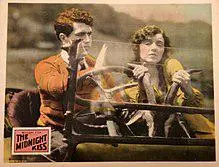
The sequence involving the 250 pigs is where the film finds its visual identity. The night scenes are surprisingly well-lit for a 1926 production, capturing the frantic energy of the 'overnight work' trope. Thomas Jr. isn't just buying pigs; he’s performing a frantic ritual of capitalism. The sight of Richard Walling covered in muck, shouting orders, and driving a hard bargain for $10 a head is the film's true climax. It’s far more visceral than the romantic elopement that follows. The pigs are the real stars of the third act, representing a tangible, grunting solution to an abstract debt.
While Richard Walling is the nominal lead, the camera clearly loves Janet Gaynor. Even in this relatively early role, she possesses a luminosity that distinguishes her from the 'flapper' archetypes seen in Flaming Flappers. Her Mildred is not just a passive sweetheart; she is a co-conspirator. When she helps Thomas with the blackmail, she doesn't do it with a wink; she does it with the pragmatism of a woman who knows that love requires a stable bank account. Her chemistry with Walling is serviceable, but her individual screen presence is what holds the viewer's attention during the slower domestic sequences.
Compared to her work in Camille or later masterpieces, this is a grounded, almost gritty performance. She handles the transition from the 'midnight kiss' of the title to the morning-after reality of pig trading with a grace that the script doesn't always deserve. It’s a reminder that even in 'programmers' like this, stars were being forged in the fires of bizarre plot points.
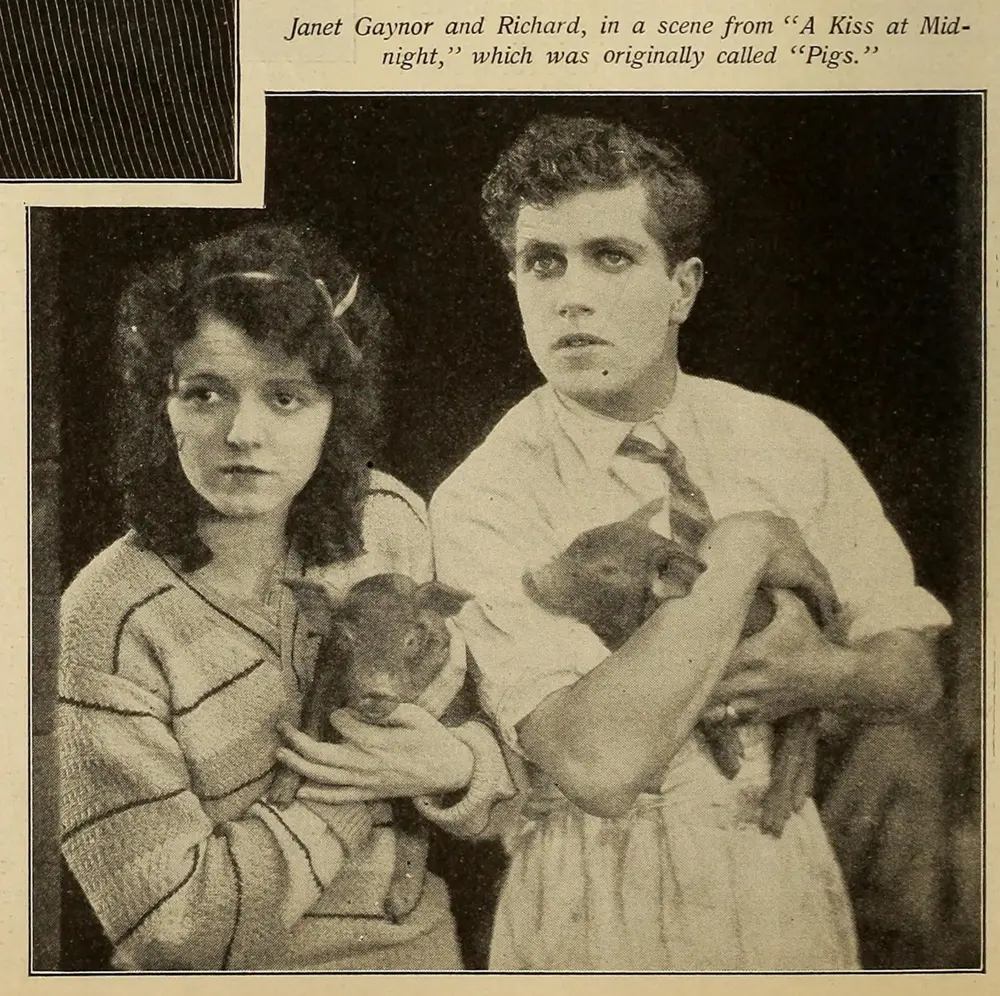
The pacing of The Midnight Kiss is uneven, a common trait in films transitioning from the short-form logic of early silent comedy to the feature-length demands of the mid-20s. The first thirty minutes feel like a series of vignettes about the family’s annoyances. However, once the financial crisis hits, the film accelerates into a thriller-like tempo. The editing during the pig-selling sequence is sharp, using quick cuts to emphasize the passage of time and the mounting exhaustion of the characters.
The cinematography doesn't strive for the expressionist heights of German imports like Der lebende Leichnam, but it excels in its Americana. The village feels lived-in, and the animal photography—particularly the sick animals Thomas tends to early on—adds a layer of texture that grounds the later agricultural focus. It’s a film that smells of hay and old wood, a stark contrast to the sophisticated urbanity of The Bachelor Daddy.
If you are looking for a deep emotional resonance, you might find The Midnight Kiss lacking. However, as a cultural artifact, it is fascinating. It presents a world where the 'midnight kiss' is less important than the morning transaction. It’s a film that values results over methods. In the pantheon of 1920s cinema, it sits comfortably alongside other 'success' stories like The Pinch Hitter, but with a darker, more opportunistic streak that keeps it from being purely sentimental.
Pros:
- Janet Gaynor’s magnetic early performance.
- A unique, gritty look at 1920s agricultural commerce.
- Fast-paced final act that rewards the viewer’s patience.
- Strong character acting from the supporting 'family' cast.
Cons:
- Questionable moral logic regarding the blackmail subplot.
- Some domestic comedy bits feel dated and repetitive.
- Richard Walling’s performance is occasionally overshadowed by the pigs.
The Midnight Kiss is a strange, compelling relic. It isn't a traditional romance, despite what the title suggests. Instead, it is a story about the end of innocence and the beginning of the 'hustle.' By the time the family is 'proud and happy' at the end, they are celebrating a fortune built on blackmail and swine. It’s a cynical, muddy, and ultimately entertaining slice of silent cinema that deserves a look for its sheer eccentricity. It works as a comedy, but it lingers as a weirdly dark commentary on what it takes to survive the American dream. 7/10
IMDb —
1917
Community
Log in to comment.