DbcultAccessing Vault...
Cult Review
Senior Film Conservator
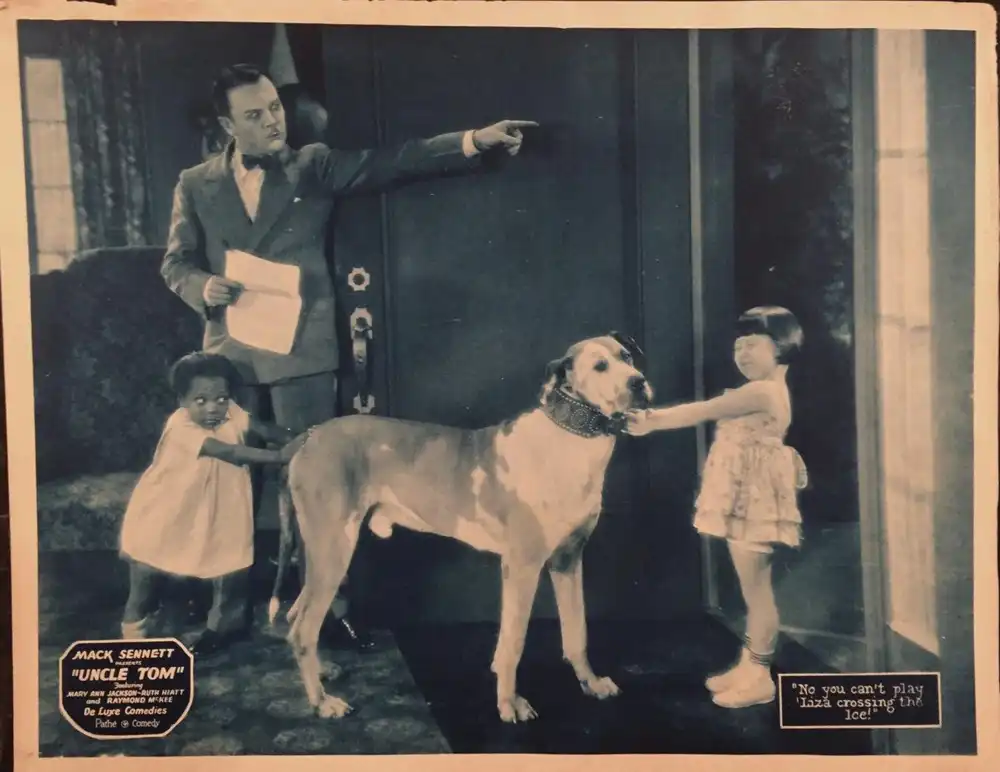
"Uncle Tom" isn't really a movie for everyone today, let’s be real. If you're into digging up old cinema, really want to see how stories were told back then, or you're just curious about a piece of film history, then yeah, it’s worth a look. Folks who need fast pacing and modern narratives will probably find it a bit of a slog, honestly. But for a certain kind of film buff, there’s something here.
It’s an interesting thing, seeing this story through eyes from almost a century ago. The way emotions are shown is just different. There’s a lot of big gestures, sure, but also these small, almost shy looks that really hit you sometimes. Like when Carmelita Geraghty’s character is just... looking off into nothing. It feels pretty real.
The pacing is, well, *of its time*. Scenes hang around for a bit, letting you really soak in the expressions. Sometimes, you almost wish they’d cut a little sooner, but then you get used to it. It’s like the film wants you to just sit with it, not rush through.
There's this one moment with Glen Cavender. He plays his part with such a specific kind of sneer, it's almost cartoonish. But then in a flash, his face drops, and for a second, you see something else there. A flicker of something, maybe regret? It's gone so fast, you wonder if you imagined it. 👀
And the sets! They're so clearly constructed. You can almost feel the wood and canvas. But that gives them a charm, too. Like a really detailed play stage. It doesn't try to hide its artifice, which is kind of refreshing in an age of seamless CGI. A real sense of honest making.
The music, when it’s there, really tries to push the mood. Sometimes it works wonderfully, adding this layer of drama. Other times, it feels like it’s just _telling_ you how to feel, instead of letting the visuals do the work. It’s a common thing for silent films, of course, but here it’s particularly noticeable in a few scenes, making some of the more tender moments feel a bit overstated.
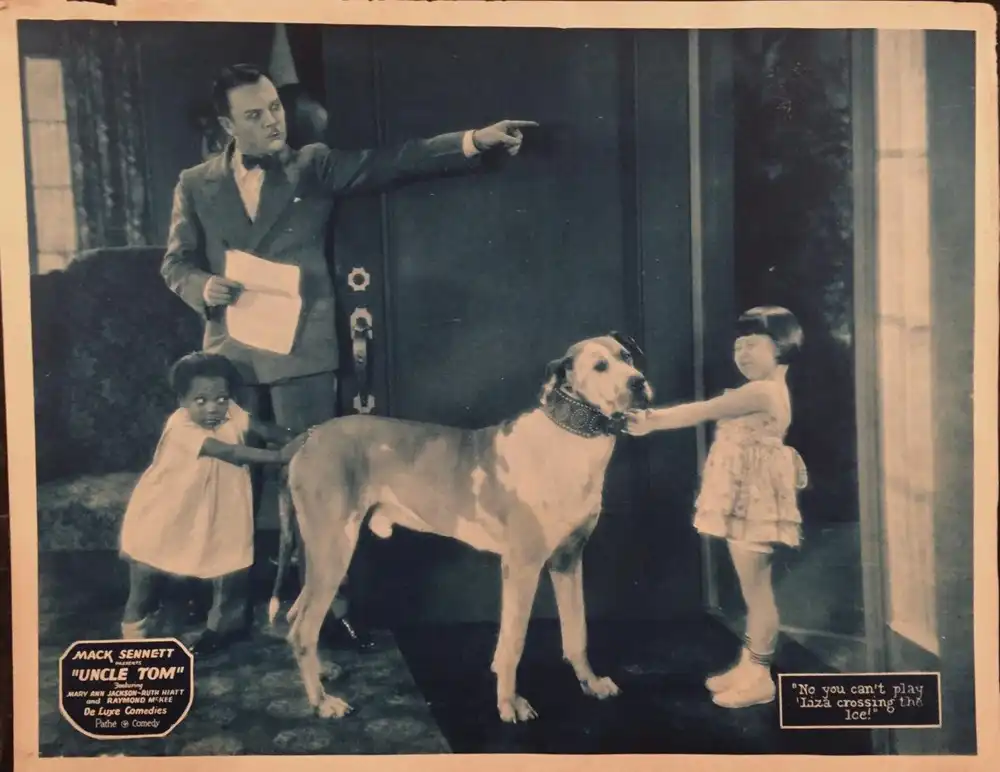
I found myself focusing on little background actions. A child extra, maybe Mary Ann Jackson, just fidgeting slightly, not quite holding still for the camera. It’s these tiny, unplanned bits that make it feel alive, you know? Like you’re peeking into a real, if staged, moment.
One scene, where a character is trying to escape, just drags on. It’s full of running through what looks like the same patch of woods for ages. You start to wonder if they just didn't have enough takes or angles. It becomes almost comical after a while, taking away from the tension they were clearly going for.
There are some really striking visual compositions though. Moments where the characters are framed against a wide, open sky, or silhouetted just so. Those are the bits that really stick. They show that even with older tech, the filmmakers had a good eye for making a scene *pop*.
And the sheer number of characters they try to juggle! You get glimpses of so many faces – Leota Winters, Ardon Faught, Alice Ward – some get more screen time, some are just there for a moment. It’s a lot to keep track of, but it paints this broad picture of a community.
It’s not a flawless film, not by a long shot. But it has this earnest quality. It’s trying hard, with what it has, to tell a *big* story. And for that, it earns some respect. You won't walk away feeling like you've seen a masterpiece, but you will have seen a piece of how movies used to be. A moving, flickering document.
IMDb —
1926
Community
Log in to comment.