DbcultAccessing Vault...
Cult Review
Senior Film Conservator
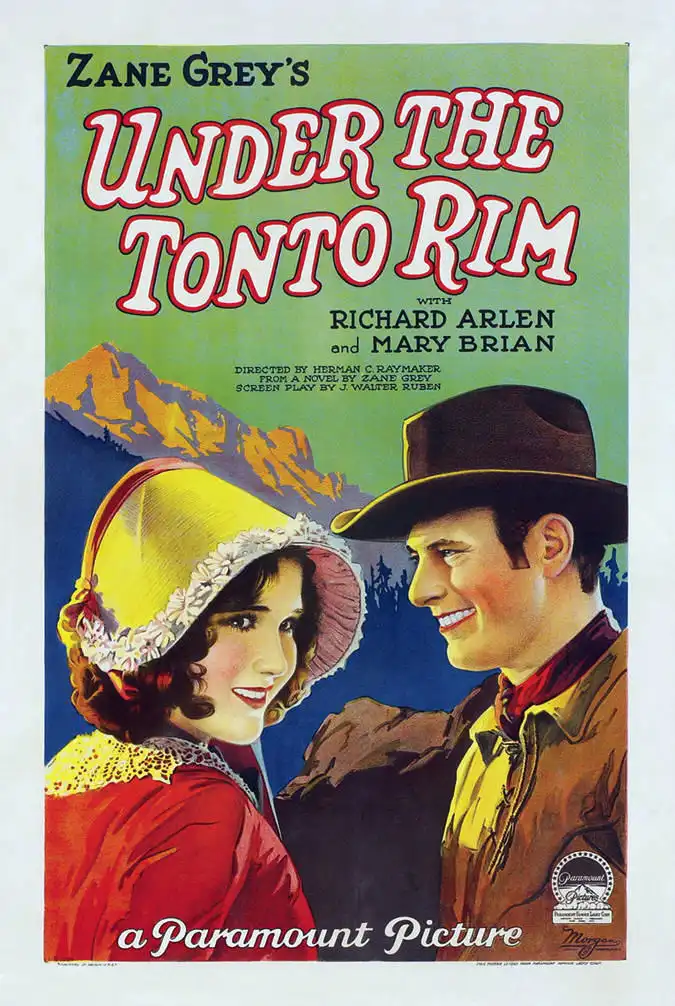
"Under the Tonto Rim," a 1926 Zane Grey adaptation, is probably not for everyone today. If you're a devoted fan of early Westerns, or specifically chasing down silent era adaptations of Grey's work, then yes, it's worth a look for historical curiosity. You'll find a straightforward tale of frontier justice and a rather obvious killer. But if you're expecting anything beyond that – narrative complexity, nuanced performances, or even particularly thrilling action – you're likely to be bored stiff. This one's for the completists, not the casual viewer.
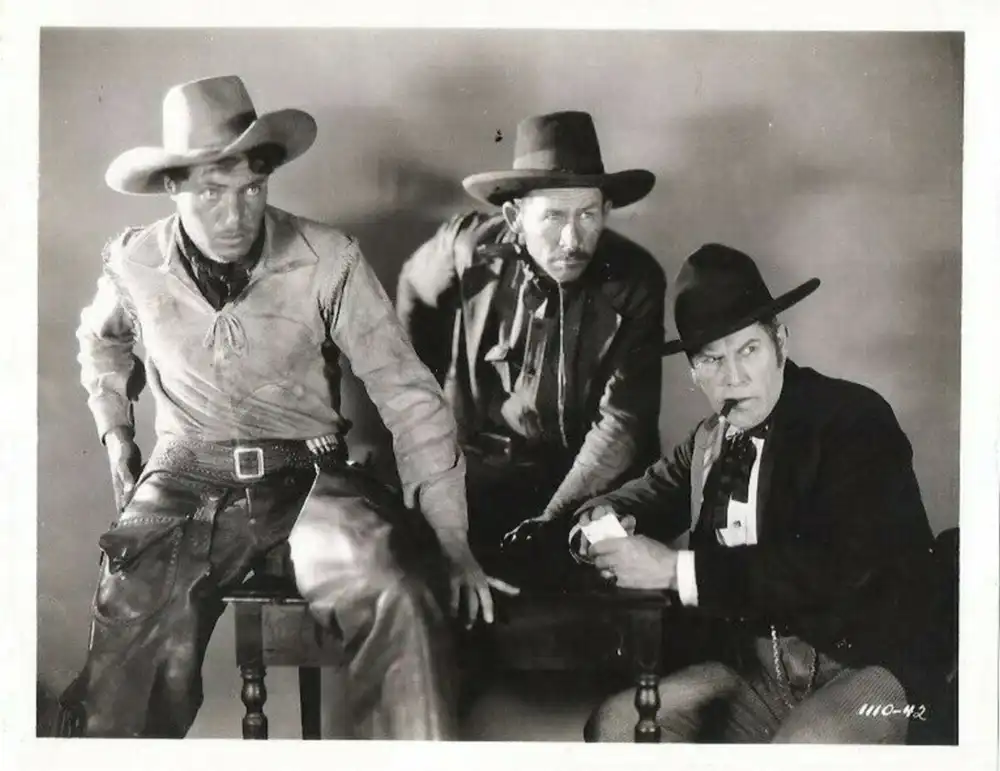
The story itself, adapted from Zane Grey, has all the classic Western beats: a wronged hero, a mysterious murder, a love interest caught in the middle, and a climax of vigilante justice. Edd Denmeade (Jack Luden) is our hero, and he's got that earnest, slightly bewildered look common to leading men of the era. His early scenes grappling with his father's murder feel a little... remote. The emotion is there on the intertitles, but Luden's performance often lands more on stoic than genuinely grief-stricken. It’s a common issue for the period, but here it keeps you at arm’s length.
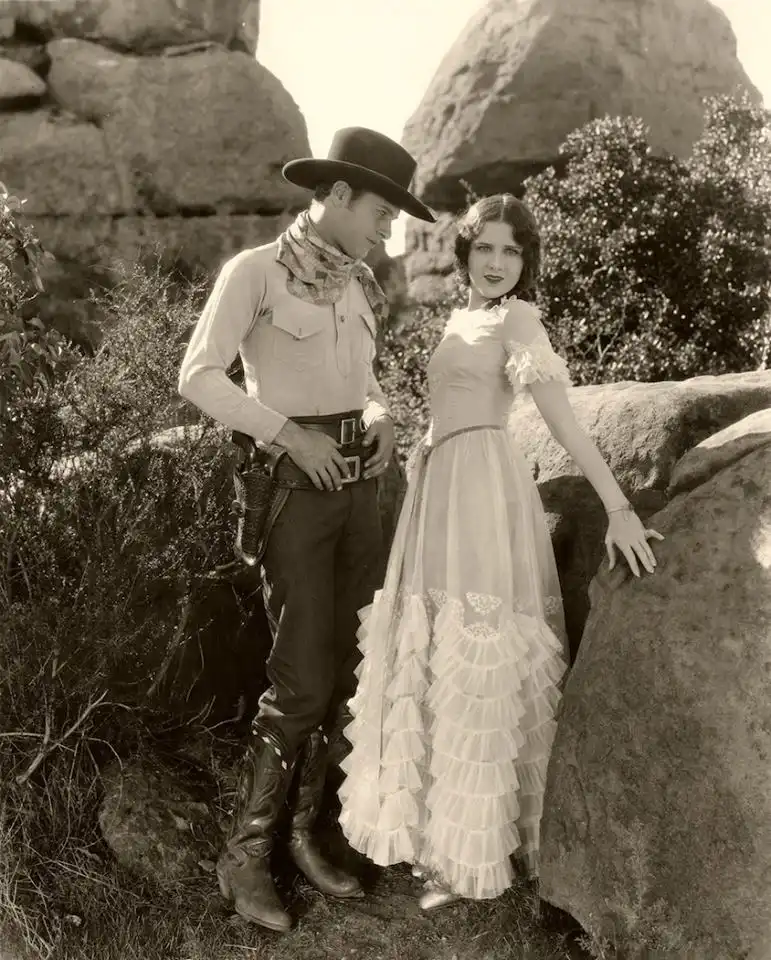
He’s in love with Lucy Watson (Mary Brian), whose brother, the official mining claim recorder (Alfred Allen), seems to be tied up with the bad guys. Lucy herself is a bit of a cipher. Brian plays her with a certain wide-eyed innocence, but she doesn't get much to do beyond looking concerned or being the object of affection. You never quite feel the weight of her brother's predicament on her, which dulls some of the potential drama.
The central mystery hinges on a detail: the killer "shuffles with one hand." Now, this is the kind of clue that feels like it should be subtle, a slow burn, a moment of dawning realization. But the film kind of bumbles it. When Sam Spralls (Bruce Gordon) finally reveals his distinctive card-shuffling habit, it’s not a gasp-inducing moment. It’s more of a "oh, that's the guy, okay" feeling, because honestly, they don't give you much reason to suspect anyone else. The film almost feels like it's waiting for you to catch up, rather than guiding you to a revelation. It takes its sweet time getting there, too, which makes the eventual reveal feel less like a payoff and more like a simple plot point being checked off a list.
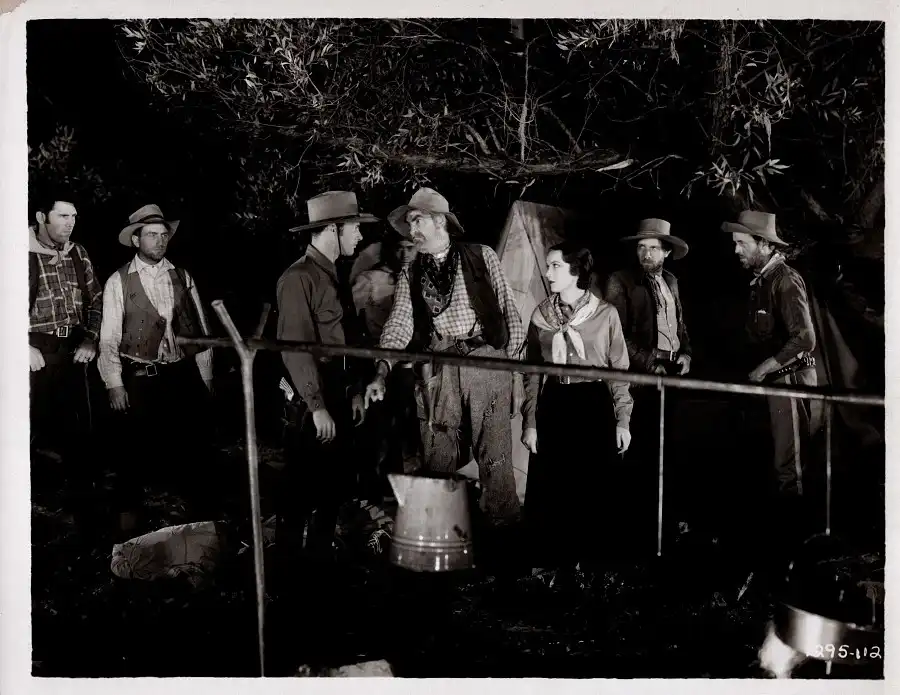
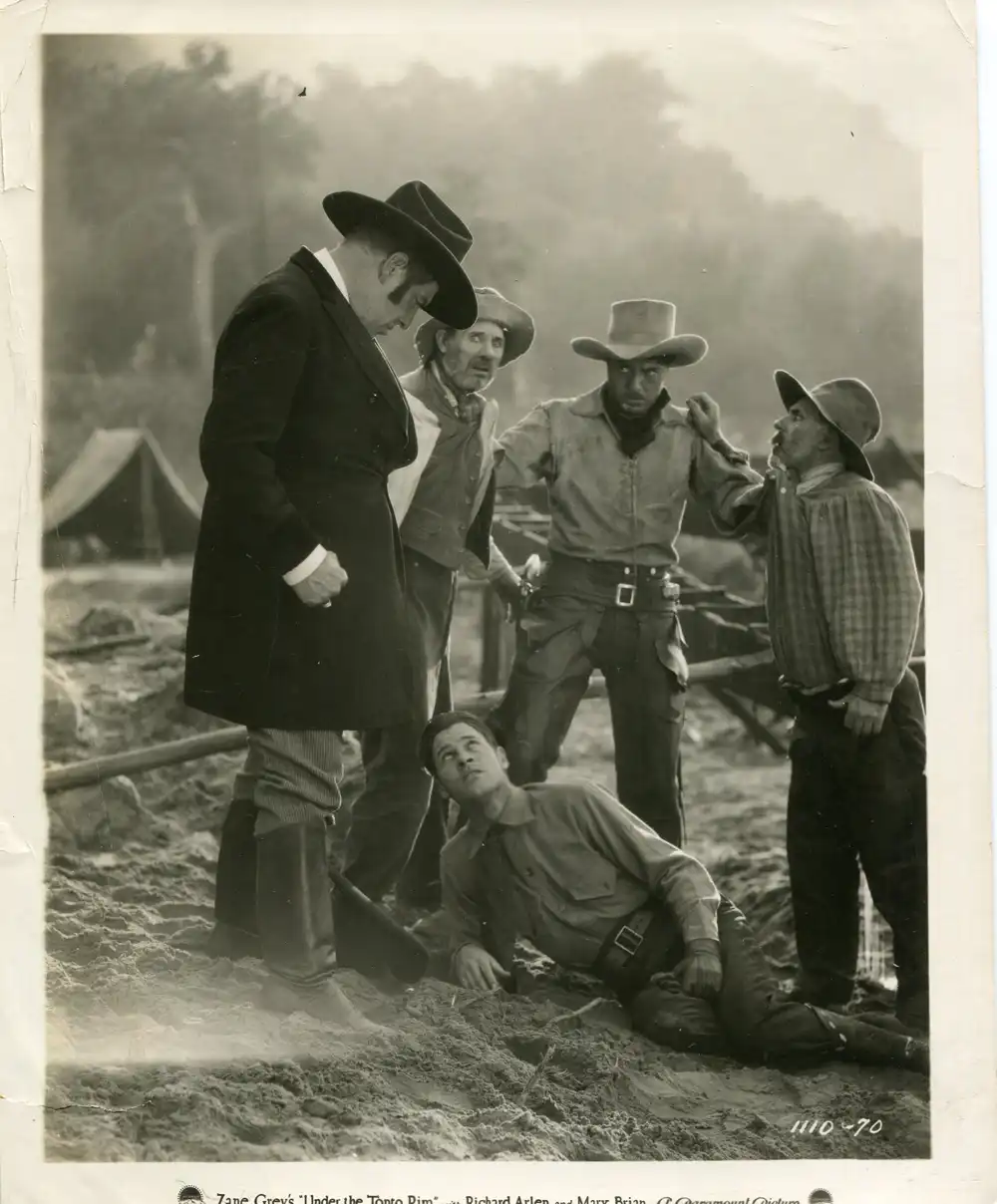
Bruce Gordon as Spralls is actually one of the more interesting elements. He plays the villain with a certain sneering confidence, though his threats against Lucy's brother, Watson, feel a bit repetitive. Watson just looks worried a lot. You almost wish he'd try to fight back, or at least show a little more range than "anxious." The scenes where Spralls tries to strong-arm him into signing over the gold claims drag a bit, mostly because Watson's resistance feels so passive. It's like watching someone slowly deflating under pressure, but without much in the way of visual escalation.
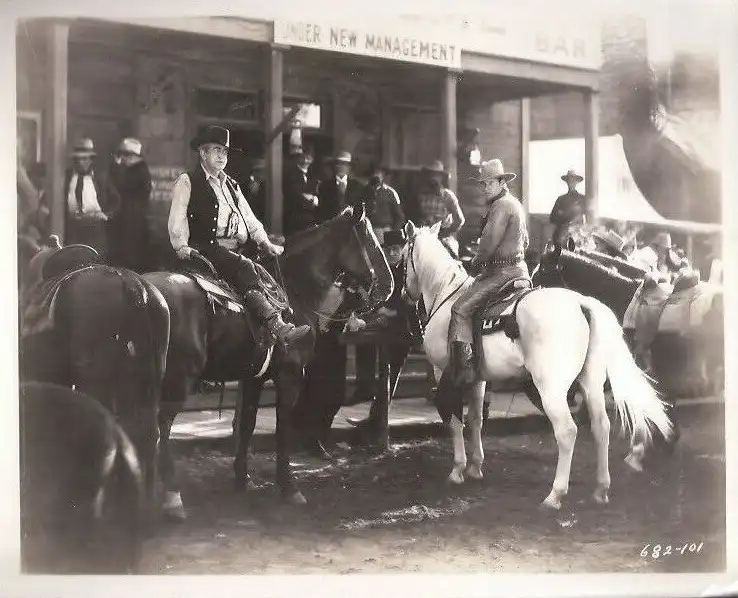
There's a scene early on, a poker game, that's meant to establish the world and maybe show Edd's father. The editing here is a little choppy. We jump from close-ups of cards to wide shots of the table, and the rhythm feels off, not quite capturing the tension a poker game should have. It's less about the game and more about moving pieces into place for the murder that follows. The background extras often look like they're not quite sure what to do with their hands, just sort of standing around, sometimes glancing directly at the camera. It breaks the immersion in a small, but noticeable way.
The film has this odd habit of lingering on reaction shots a beat too long. There's one moment when Lucy hears some bad news, and the camera just holds on her face, waiting for the emotion to register. It goes from dramatic to almost comical in its extended silence. You can almost feel the director thinking, "Are they getting it? Let's hold it a little longer." It’s less about letting the emotion sink in for the audience, and more about giving the actor space to emote, sometimes to diminishing returns.
Pacing is a real issue here. The first half, building the mystery and the romance, feels stretched thin. Then, once Edd figures out the killer – which, again, isn't exactly Sherlock Holmes level deduction – everything accelerates. The formation of the vigilante party happens so quickly it's almost jarring. One minute Edd is brooding, the next he's leading a posse. The shift in tempo is quite abrupt, like they suddenly remembered they needed to wrap things up. This kind of whiplash makes the climax feel unearned, rather than the satisfying culmination of a slow burn.
The final confrontation with Spralls and his gang is... functional. There's some riding, some shooting, the usual Western fare. But it lacks any real punch. The stakes never quite feel high enough, partly because Spralls' gang are mostly indistinguishable figures in hats, and partly because Edd's transformation into a decisive leader feels more like a plot requirement than a character arc. It's a clean sweep, but without much emotional weight. The dust kicked up by the horses is probably the most dynamic element in some of these scenes.
I did appreciate some of the location shots, though. The "Tonto Rim" itself looks suitably rugged and dusty, giving a sense of the frontier. But even these are often just establishing shots, not really integrated into the action in a meaningful way. You see the landscape, then you see the actors in front of it, and the connection feels a bit superficial. It’s like they found a pretty backdrop and just placed the scene there, rather than letting the environment influence the action.
Overall, Under the Tonto Rim is a curiosity. It's a window into early Western filmmaking, and you can see the bones of a good Zane Grey story trying to poke through. But it's also burdened by the conventions and limitations of its time, making for a watch that often feels more academic than entertaining. If you're studying the genre, maybe. If you just want a good movie for a Friday night, probably skip this one. Maybe check out something like The Snarl instead for a different kind of silent film experience, or even Virginian Outcast if you're looking for another early Western with a bit more grit.
IMDb —
1920
Community
Log in to comment.