DbcultAccessing Vault...
Cult Review
Senior Film Conservator
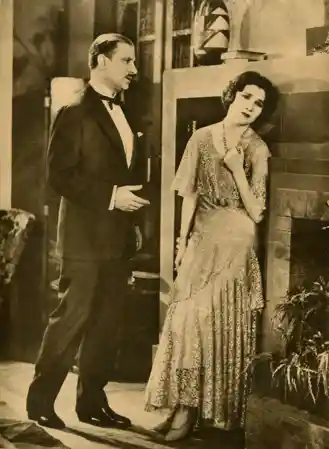
Okay, so, Une femme a menti – “A Woman Lied,” for those of us whose French is, well, *rusty*. This one’s a real deep dive into 1930s French drama, quiet and a bit melancholy. If you’re into uncovering these old, almost forgotten films and don't mind a very slow burn, you might find something here. But honestly, if you're looking for fast pace or modern thrills, you will probably be bored stiff. This is strictly for the cinephiles who enjoys seeing where things started. 🎥
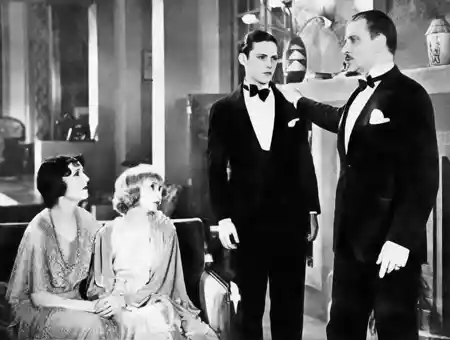
The story itself is pretty simple, almost like a stage play put on film. Robert Chapelain, a lawyer, is in love with Annette Rollan, who works in a shop. Nothing too dramatic there, right? But then his children, Jean and Jacqueline, overhear their uncle basically saying Annette isn’t good enough for their dad. 😬 And that's where the real, quiet tension begins.
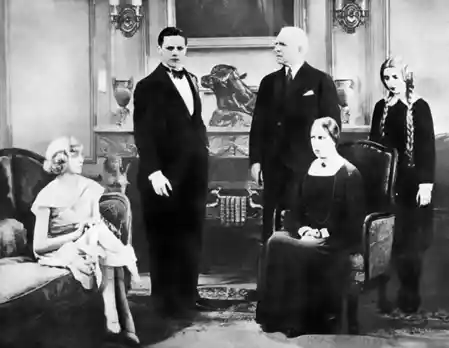
What really strikes you is how much of the drama hinges on *whispers* and *looks*. The uncle, played by Georges Mauloy, has this way of looking at Annette that just oozes disapproval, even before he says anything. You feel that weight on her. Louise Lagrange as Annette carries a lot with just her eyes, a kind of weary resignation. It's all quite subtle, for better or worse.

The whole thing about the children, Jean and Jacqueline, inviting Annette to basically break up with their own father? That’s a strange, almost unsettling plot point. It feels really bold for its time, this idea of kids taking such drastic action. Their little faces, so serious, trying to manipulate a grown-up situation. It’s a bit much, really, seeing them trying to be so *adult*.
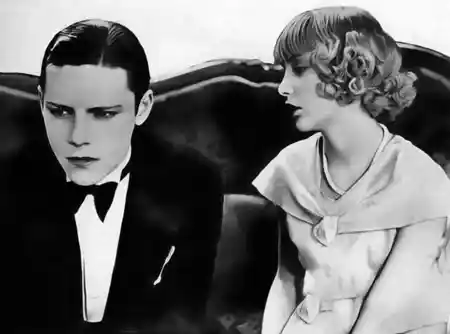
There are moments where the film just... *lingers*. Like, a shot of Annette sitting alone, just thinking. No dialogue, just her expression. It goes on about 15 seconds too long, and you start to wonder if the projectionist fell asleep. Probably not.
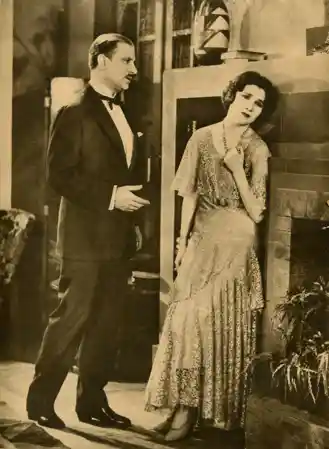
Paul Capellani as Robert, the lawyer, doesn’t get as much to do as you’d think. He's the object of affection and manipulation, but his reactions are often quite muted. You wonder what he truly feels, or if he’s just a bit oblivious to the undercurrents. It’s hard to tell sometimes if that’s the character or just the acting style the era had, you know?
The whole setting feels very much of its time, a glimpse into 1930s France. The fashion, the quiet Parisian streets, the way people interact – it's like a time capsule. Though sometimes the sets feel a bit bare, like they really were just filming in someone’s apartment, which is probably true! The whole production is quite modest, you can tell.
Honestly, the pacing is a bit of a slog if you’re not prepared. Things unfold very, very slowly. There isn't really a big climax, more of a quiet resolution. It just… *ends*. You don't get a huge emotional payoff, more like a gentle sigh.
I found myself wondering about the writer, Henry Koster. He clearly had an idea for a domestic drama that felt very real, very human, even if the execution sometimes feels a little stiff to modern eyes. It's not a film that tries to be *grand*. It’s just a slice of life, a very particular, quiet slice.
This isn’t a film that will change your life, or even necessarily stick with you for weeks. But if you're curious about the roots of melodrama, or just enjoy seeing these old films uncovered, it's an interesting watch. A small window into a past way of telling stories. It has its charms, even if they are very subtle ones. 🕰️

IMDb —
1923
Community
Log in to comment.