DbcultAccessing Vault...
Cult Review
Senior Film Conservator
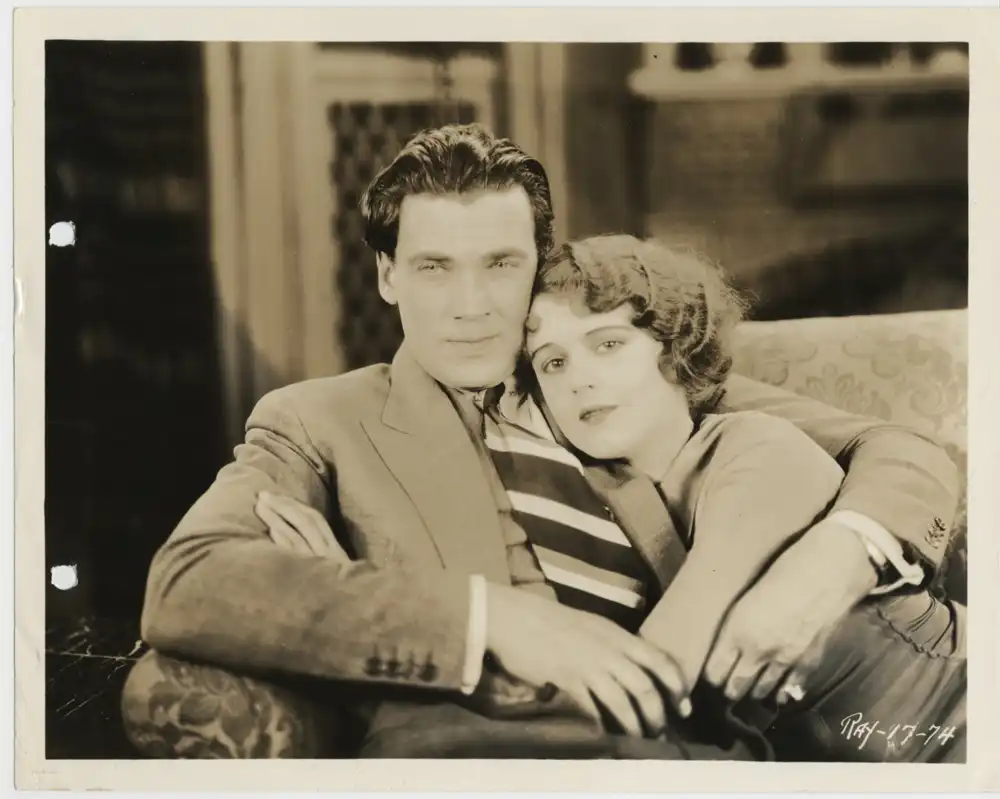
Okay, so Woman Wise. If you're not already deep into silent-era cinema, or specifically tracking every early screen appearance of, say, Walter Pidgeon, then honestly, this one isn't for your average Friday night. It's squarely aimed at the dedicated film buffs, the historians, the ones who genuinely enjoy picking apart the charmingly awkward relics of old Hollywood. Everyone else? You’ll probably find it a bit of a bewildering, if occasionally amusing, endurance test.
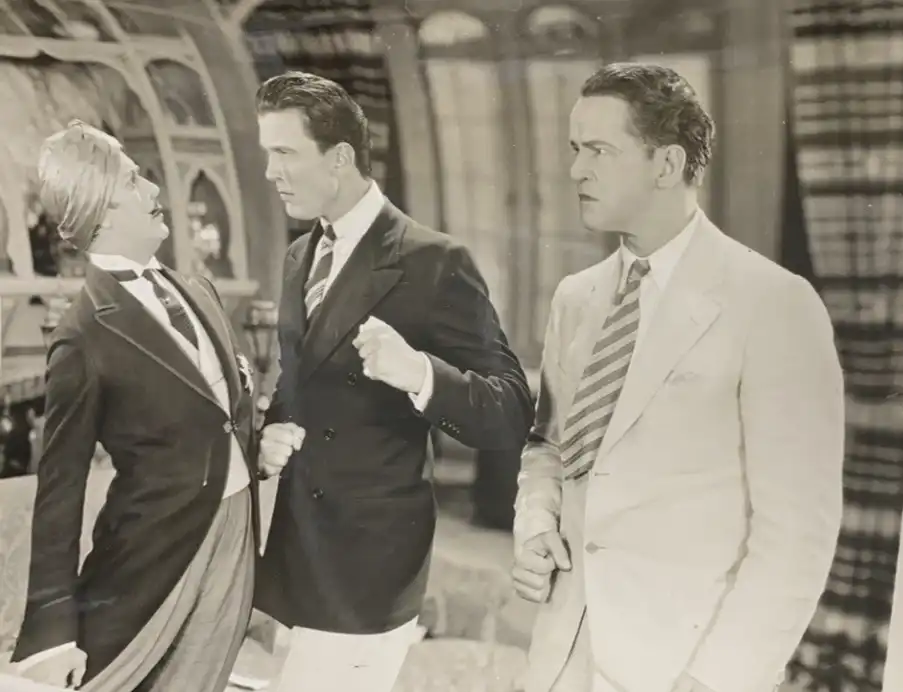
The setup is classic, almost archetypal for the time. George Gage, an American consul stationed in "Jedda, Persia" – which, let's be real, looks suspiciously like a studio backlot with some painted backdrops – has a reputation as a notorious woman-hater. Then his new assistant, "Billie Baxter," arrives, and surprise! Not a man, but June Collyer, looking quite fetching. Naturally, George, played by William Russell, immediately starts to contradict his entire established personality. It’s that kind of movie, where character traits are more like suggestions.
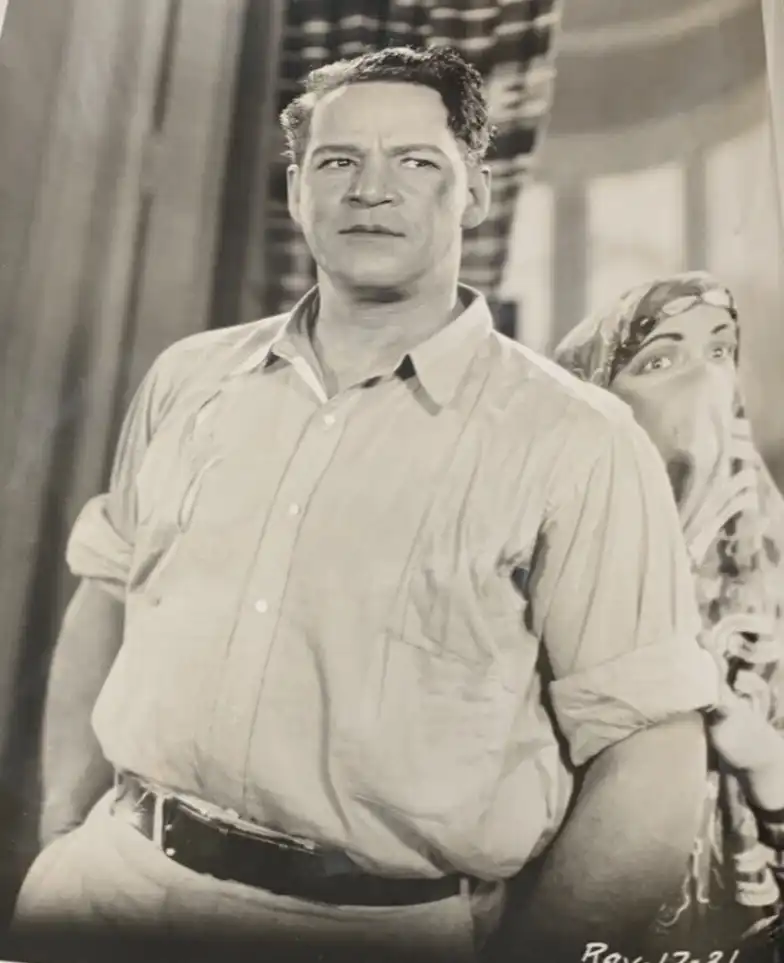
Russell’s performance as George is… something. He’s supposed to be this hardened misogynist, but the shift to smitten lover happens so fast you get whiplash. His initial scowls feel less like genuine disdain and more like he's trying to remember if he left the stove on. Then, when he’s meant to be consumed by jealousy, he just looks a bit puzzled. There’s a scene early on where he’s trying to assert his authority over Billie, and his hand gestures are so broad, so pantomime, you almost expect an intertitle to flash "GRRR!"
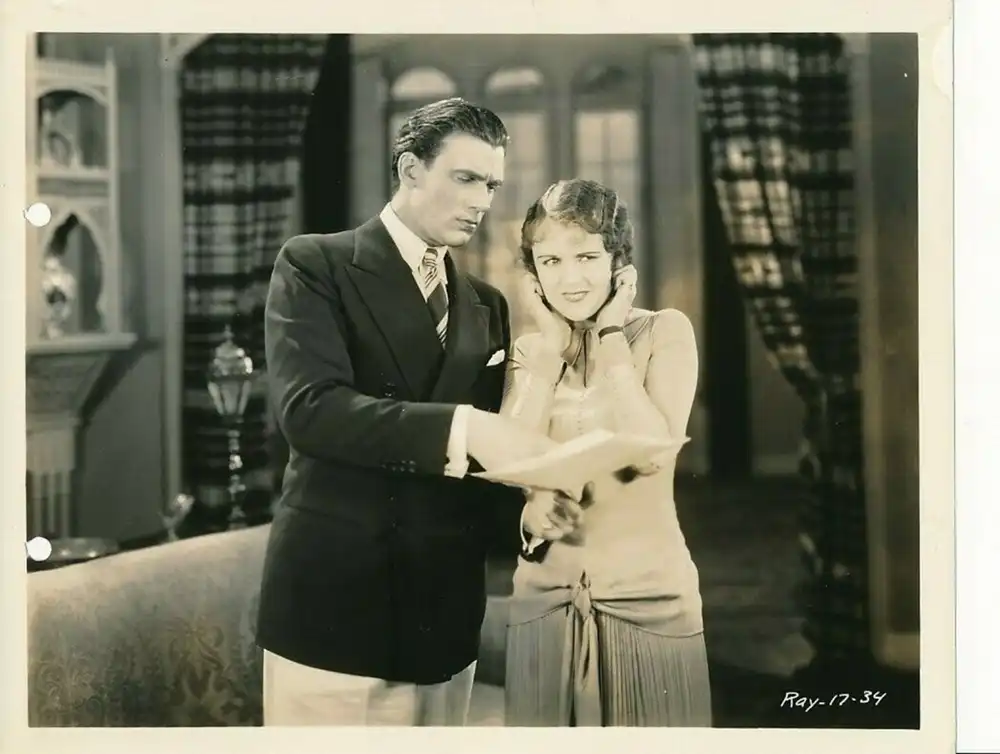
June Collyer, as Billie, fares a little better. She carries a certain spark, a kind of modern sass that occasionally peeks through the melodrama. Her reaction shots, especially when George is being particularly obtuse, are often the most genuine moments on screen. You can almost feel her trying to inject some actual character into the proceedings, even if the script doesn't always give her much to work with beyond being "the object of affection."
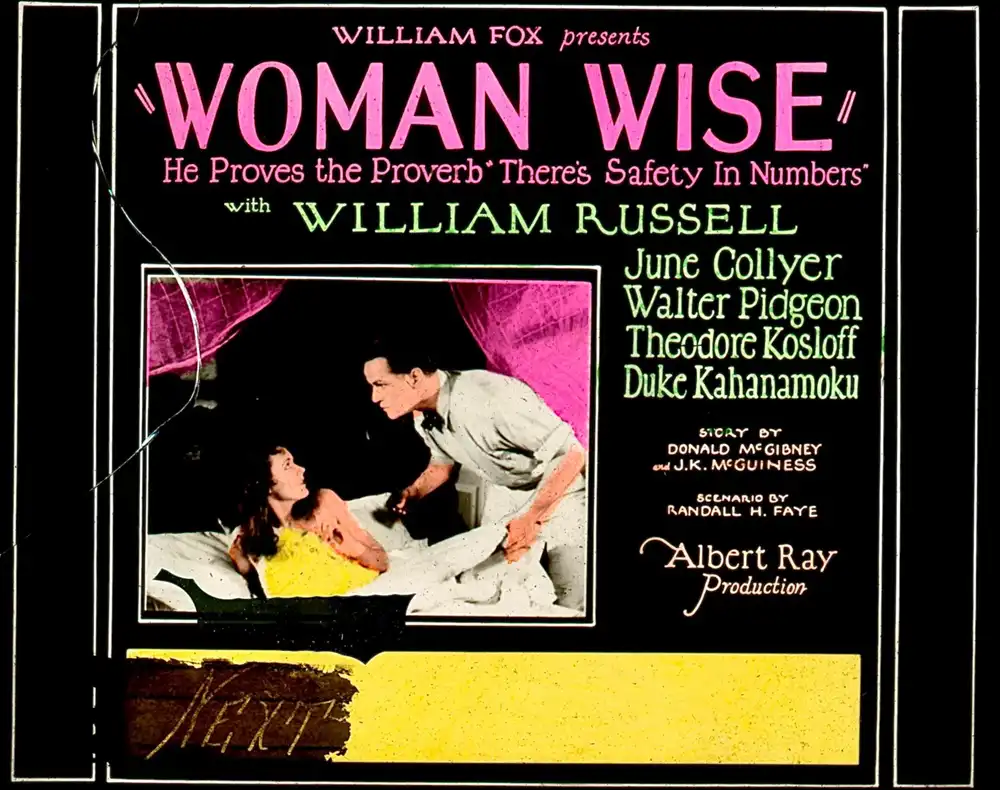
The pacing is a real mess, honestly. Some scenes, particularly the ones meant to establish "exotic" Jedda, drag on with endless shots of market stalls and generic "Persian" activities that don’t really advance anything. It’s like they had extra footage and just decided to stick it in. Then, suddenly, a major plot point, like the Pasha deciding he wants Billie for his harem, gets introduced and resolved with such speed you barely register the danger. One minute she’s walking alone, the next she’s almost kidnapped, then George and Brad are riding horses to the rescue, all without much build-up. It's less building tension and more a series of abrupt narrative events.
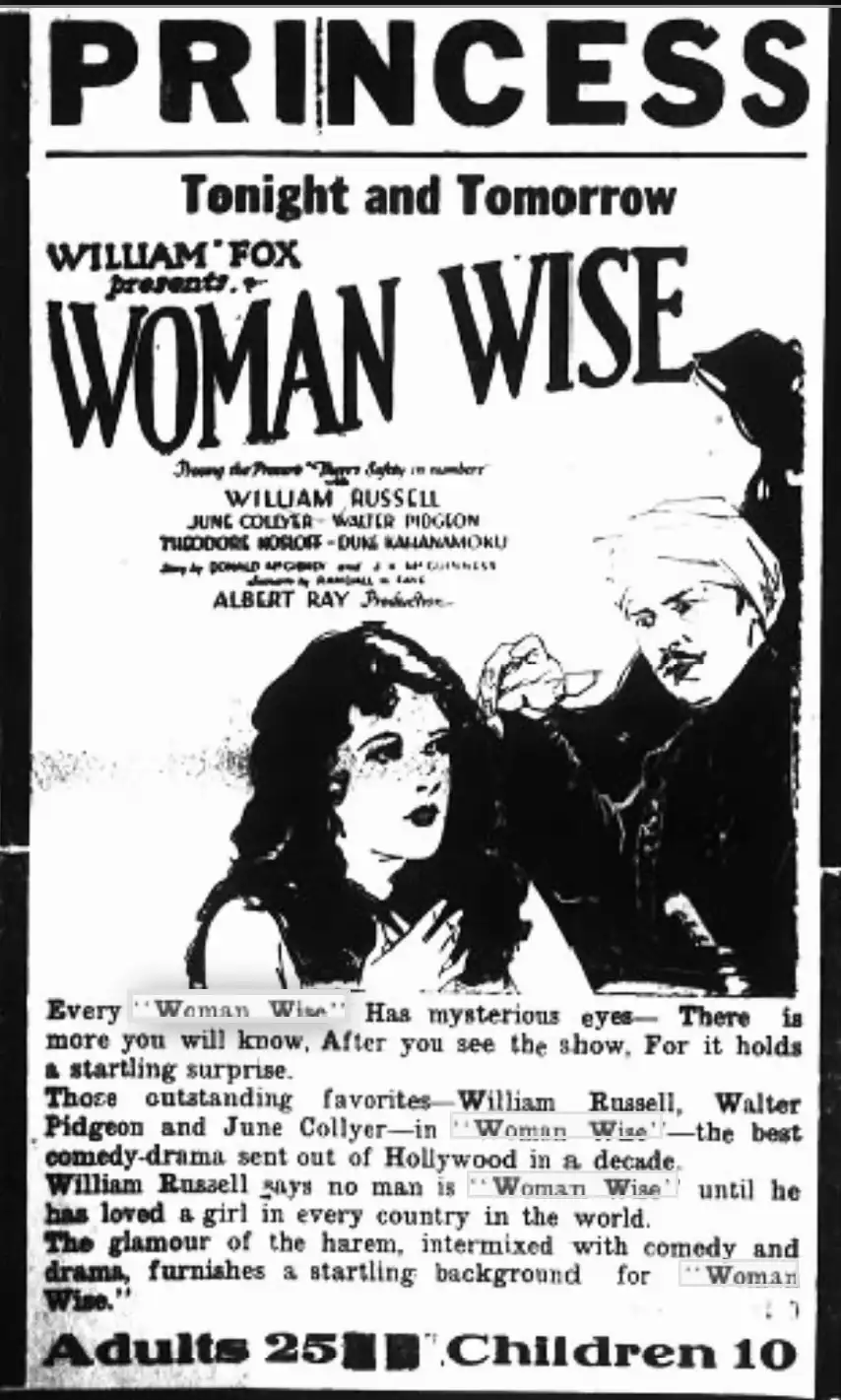
Speaking of Brad Wilson, played by Walter Pidgeon – he’s the stereotypical smooth-talking rival. Pidgeon, even in these early roles, has a charisma that’s hard to ignore. His scenes with Collyer have more of a playful energy than her scenes with Russell. It's a shame the movie is so determined to pair her with George, because the dynamic with Brad feels more natural, less forced. There’s a moment where Brad winks at Billie across a crowded room, and her tiny, almost imperceptible smile back is more compelling than any of George’s grand declarations. You root for the wrong guy, basically.
The "Persian" setting is a whole other beast. The costumes for the locals are… well, they’re certainly costumes. Lots of flowing robes, turbans, and what look like glued-on beards. The Pasha, Abdul Mustapha, looks less like a menacing ruler and more like he's about to host a very specific themed party. The palace interiors are all rich fabrics and ornate props, but they never feel lived-in. It’s a very theatrical vision of the Middle East, filtered through a very Western lens, and not a particularly convincing one. The crowd scenes have this oddly empty feeling, like half the extras wandered off for a tea break.
The tonal shifts are probably the most jarring aspect. One minute it's a lighthearted romantic comedy with George fumbling through his feelings, the next it’s a genuine kidnapping attempt by the Pasha, complete with shadowy figures and frantic chases. The film just lurches from one mode to another, expecting the audience to keep up without much emotional consistency. The score, if your version has one, tries its best to smooth things over, but even that struggles.
There’s this strange shot during the rescue sequence where George and Brad are riding, and the background is clearly a rear projection that’s not quite synced up. It gives the whole thing a surreal, almost dreamlike quality that I’m pretty sure wasn’t intended. It pulls you right out of the already shaky illusion of danger, making you wonder if the projectionist fell asleep.
And then there's Duke Kahanamoku. Yes, that Duke Kahanamoku, the Olympic swimmer. He's in it, in a small role, mostly just looking stoic and muscular. His presence is one of those odd little details that makes you pause and wonder about the casting choices of the era. He doesn't have much to do, but he stands out simply because, well, he’s Duke Kahanamoku. It’s a fleeting appearance, but definitely a talking point if you're watching with friends.
Ultimately, Woman Wise is a curio. It’s got some unintentional laughs, a few moments of genuine charm from June Collyer, and a fascinating glimpse into early Hollywood’s attempts at exotic adventure and romance. Does it hold up? Not really, unless your definition of "holding up" involves appreciating its historical context and forgiving its many narrative and technical shortcomings. It’s a film that exists, and sometimes that’s enough for certain audiences. But for most, it will feel like a long 60-70 minutes, depending on the print. It's not a disaster, but it’s certainly not going to win any new converts to the silent era.
IMDb 6.1
1933
Community
Log in to comment.