DbcultAccessing Vault...
4.4/10
Senior Film Conservator
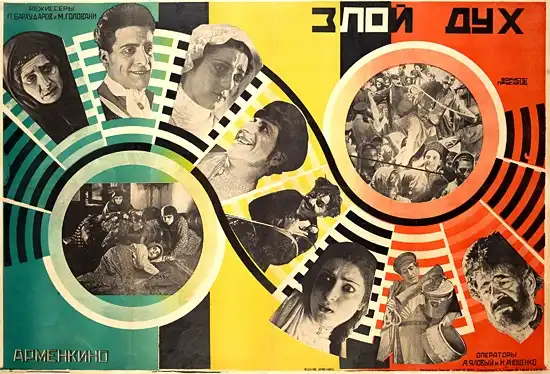
A definitive 4.4/10 rating for a film that redefined the boundaries of cult cinema. The Power of Evil remains a cornerstone of transgressive art.
If you are looking for a light evening or the kind of whimsical silent film charm found in something like A Crazy Night, stay far away from The Power of Evil. This movie is a heavy, dusty, and deeply frustrating sit. It’s for the people who want to see how early cinema handled social isolation and the kind of casual cruelty that happens in small, closed-off rooms. It’s a tragedy that feels less like a play and more like a slow-motion car crash where you know exactly who is going to get hurt.
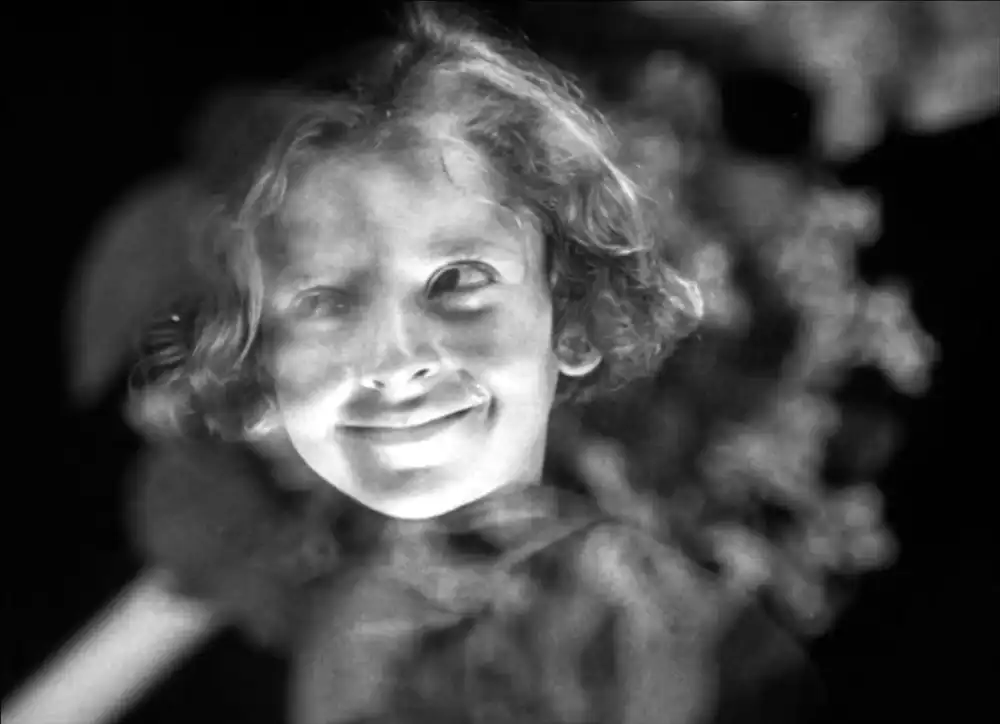
The movie centers on Anush, played by Hasmik Agopyan. She’s great, mostly because she doesn't do that wide-eyed, fluttering-hand acting that a lot of her contemporaries were stuck with in 1928. Her performance is quiet. When she has her first seizure on screen, it isn't this big, theatrical event. She just sort of... collapses. It feels much more grounded and terrifying because of how the people around her react. They don't see a medical emergency; they see a spiritual failure.
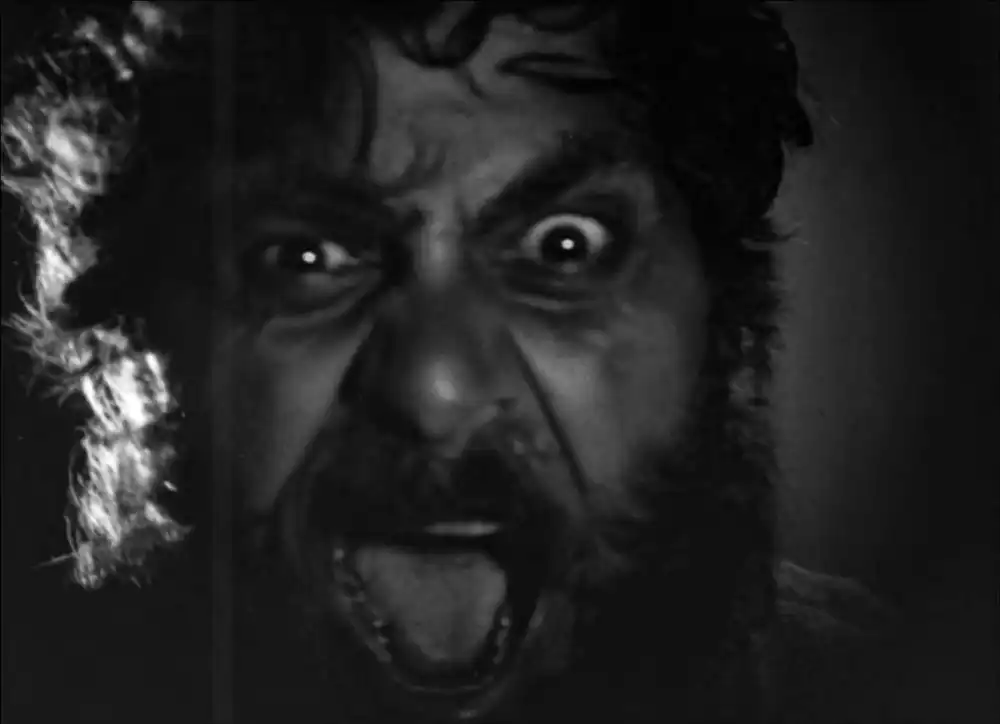
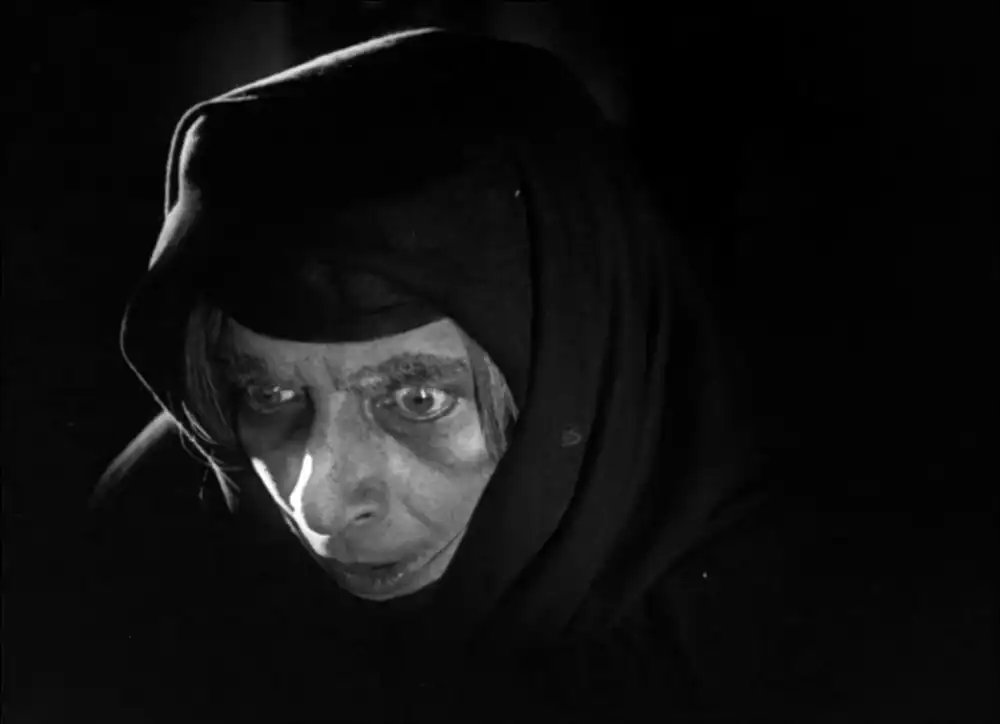
The husband’s family is the source of the 'evil' mentioned in the title, but it’s not the supernatural kind. It’s the petty, superstitious, mother-in-law-glaring kind. Nina Manucharyan, who plays the mother-in-law, has a face that was built for silent film villainy. She doesn't need to do much. There’s a scene where she’s just watching Anush from a doorway, and the way the light hits her eyes makes her look like a predator. It’s genuinely unsettling.
The pacing is where the movie starts to show its age and its flaws. There’s a middle section that feels like it’s on a loop. Anush is sad, the family whispers about her, the husband looks conflicted but does nothing, repeat. You get the point within the first twenty minutes, but the movie insists on grinding it in. It makes the experience feel claustrophobic, which I think was the point, but it also makes you want to check your watch. The husband is particularly annoying—he just stands there with this blank expression while his family basically destroys his wife’s life. He’s a much weaker character than the leads in Romola or even the more archetypal figures in Kentucky Brothers.
There are some weird technical moments too. Some of the edits are incredibly abrupt, cutting away from a moment of tension to a landscape shot that lingers for five seconds too long. It breaks the rhythm. And the makeup on some of the male actors is... a choice. There’s a lot of heavy eyeliner that makes everyone look like they’ve been awake for three days straight. Maybe they were.
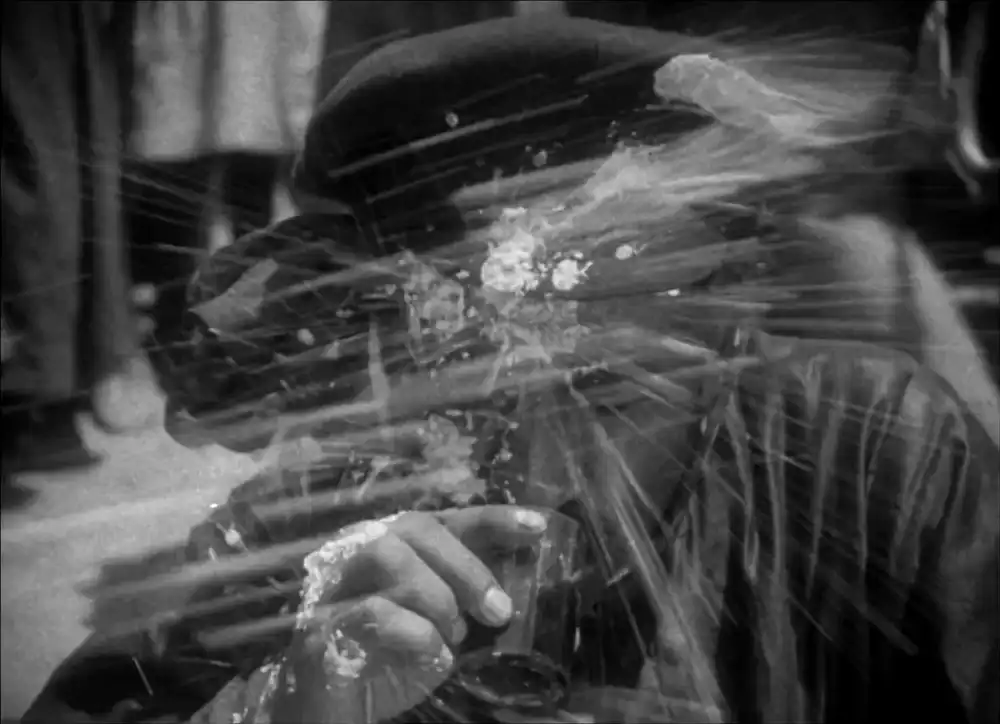
What I kept noticing was the texture of the film. The sets look like they are covered in a century of actual dust. The fabrics—the wools and heavy headscarves—look like they weigh fifty pounds. It adds to this feeling of being trapped. Director Amo Bek-Nazaryan is really good at using the architecture of these small houses to frame Anush as if she’s already in a cage. There’s a shot near the end where she’s framed by a small, high window that is particularly effective. It’s one of the few times the movie stops being a domestic drama and feels like a piece of art.
The crowd scenes are interesting, too. Unlike the polished extras in My American Wife, the people in the background here look like they were just pulled off the street. They have these incredibly lived-in faces that do a lot of the world-building for the director. You believe this community exists, and you believe they would be this cruel because they look so tired and hardened by their own lives.
The ending is miserable. There's no other way to put it. It doesn't offer a clean resolution or a 'lesson' in the way modern movies do. It just stops. It leaves you feeling a bit hollow, which is probably the most honest way to end a story about systemic prejudice. It’s not a 'fun' watch, and it’s certainly not 'visually stunning' in a postcard way, but it sticks with you. You’ll find yourself thinking about Agopyan’s face in that final act long after you’ve turned it off.
If you can handle the slow middle and the unrelenting bleakness, it’s worth seeing for the history alone. But maybe watch a comedy afterward.
IMDb —
1926
Community
Log in to comment.