DbcultAccessing Vault...
6.7/10
Senior Film Conservator

A definitive 6.7/10 rating for a film that redefined the boundaries of cult cinema. Rubber Tires remains a cornerstone of transgressive art.
Is the 1927 silent film Rubber Tires worth unearthing from the annals of cinematic history today? Short answer: yes, for specific audiences, but with significant caveats. This rarely-seen feature offers a fascinating, if sometimes frustrating, glimpse into the anxieties of its era, particularly for those with a deep appreciation for the silent film period and its unique storytelling conventions.
It is undeniably a film for cinephiles, historians, and those who cherish the raw, expressive power of early cinema. It is decidedly NOT for viewers seeking modern pacing, complex dialogue, or high-definition spectacle. If your cinematic palate leans exclusively towards contemporary blockbusters or fast-paced dramas, this journey back to 1927 might feel more like a chore than a discovery.
This film works because of its earnest performances, particularly from Bessie Love, who injects genuine pathos into the family’s plight, and its surprisingly resonant theme of economic desperation. It captures a universal struggle that transcends its period setting, speaking to the enduring human desire for security and a better life.
This film fails because its pacing can feel glacial to contemporary audiences, and the narrative, while well-intentioned, occasionally succumbs to the melodramatic excesses common in silent cinema, undermining its more grounded moments. The reliance on exaggerated gestures, while characteristic of the era, sometimes pulls you out of the emotional core.
You should watch it if you are a devoted student of early Hollywood, interested in the social commentary embedded within seemingly simple narratives, or curious about the foundational acting styles that predated the talkies. It’s a vital piece for understanding the evolution of cinematic storytelling.
At its core, Rubber Tires presents a narrative that, despite its century-old vintage, still strikes a chord. The Stack family, once comfortable New Yorkers, finds itself on the brink of destitution. Their patriarch, Pa Stack, played with a convincing blend of desperation and misguided optimism by Clarence Burton, makes a drastic, almost foolish, decision: to invest their last remaining funds in a desolate stretch of land in Newhall, California. His conviction? That this arid earth hides a fortune in oil, a liquid gold that will reverse their fortunes overnight.

This premise, while simple, serves as a powerful commentary on the American Dream and the often-perilous pursuit of prosperity. It’s a story about hope clashing with harsh reality, about the allure of the quick fix in times of crisis. The plot isn't just a vehicle for melodrama; it’s a mirror reflecting the economic anxieties prevalent in the 1920s, a decade often romanticized but fraught with underlying instability. The migration from urban sophistication to rural desolation is a stark visual metaphor for their fallen status.
The script, credited to Frank Condon, Tay Garnett, and Zelda Sears, manages to imbue this seemingly straightforward setup with an undercurrent of genuine human struggle. While silent films often relied on broad strokes, Rubber Tires grounds its fantastical aspirations in very real, relatable financial strain. This anchors the family's journey, making their trials and tribulations feel less like theatrical contrivance and more like an unfortunate, yet entirely plausible, series of events.
The true heart of any silent film lies in its performances, and Rubber Tires is no exception. Bessie Love, as the central female figure, delivers a performance that transcends the often-exaggerated gesturing of the era. Her expressions, particularly in moments of quiet despair or resolute determination, are remarkably nuanced. When the family first arrives at their desolate Newhall property, her wide-eyed apprehension speaks volumes without a single intertitle, conveying a daughter’s concern for her parents’ rapidly deteriorating situation.
Frank Coghlan Jr., a prominent child actor of the period, brings a youthful energy that provides a stark contrast to the adult anxieties. His innocence highlights the stakes for the family, emphasizing what they stand to lose or gain. Harrison Ford, not the contemporary star but an established actor of the silent era, offers a steady presence, often serving as the voice of reason or the emotional anchor when the family's hopes begin to fray.
Clarence Burton's portrayal of Pa Stack is particularly noteworthy. He avoids making the character a mere caricature of a foolish patriarch. Instead, he paints a picture of a man driven by love for his family, albeit misguided. His slumped shoulders and hopeful, yet tired, eyes convey a profound sense of responsibility and the heavy burden of his poor decisions. May Robson, as the matriarch, provides a stoic counterpoint, her quiet dignity a testament to her family's resilience. The ensemble works surprisingly well together, creating a believable family unit under duress.
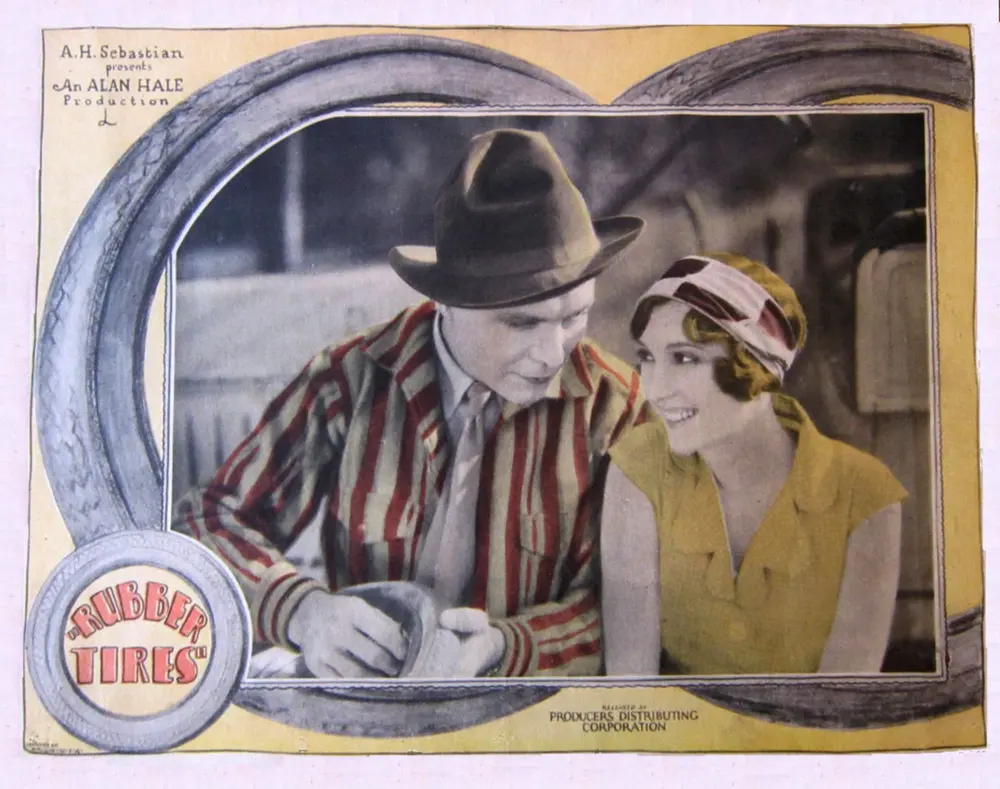
Tay Garnett, in his directorial debut, navigates the technical limitations of 1927 cinema with a commendable degree of clarity. While the film doesn't boast the revolutionary camera work of a Murnau or a Griffith, Garnett's approach is functional and effective. He understands the power of close-ups to convey emotion in a silent medium, frequently employing them to capture Bessie Love's subtle reactions or Pa Stack's fleeting moments of doubt.
The cinematography, while straightforward, effectively contrasts the bustling, perhaps suffocating, environment of New York City with the vast, empty expanses of Newhall. The transition shots, moving from cramped urban apartments to sun-baked, seemingly endless fields, are visually striking. There's a particular shot of the family's dilapidated house silhouetted against a setting sun that beautifully encapsulates their isolation and the enormity of their challenge. It’s a simple image, but one that resonates with a quiet, poetic melancholy.
However, it’s also important to acknowledge that the film adheres to many of the established visual grammar rules of its time. Dynamic camera movement is minimal, and the editing, while competent, doesn't always achieve the rhythmic sophistication seen in later silent masterpieces. This isn't a flaw so much as a characteristic of its period, but it can contribute to the slower pace that modern viewers might find challenging. Garnett's strength here lies in his ability to tell a clear story with the tools at hand, rather than pushing experimental boundaries.
The pacing of Rubber Tires is, by contemporary standards, deliberate. Very deliberate. This is a film that takes its time to establish the family's predicament, to build the tension around Pa Stack's gamble, and to explore the consequences. For audiences accustomed to rapid-fire cuts and plot developments, this can be a significant hurdle. There are extended sequences dedicated to mundane tasks or the simple passage of time, intended to immerse the viewer in the family's daily struggles, which can feel protracted today.
Yet, within this measured pace lies a certain charm and an opportunity for deeper engagement for those willing to adjust their expectations. It allows the viewer to absorb the emotional weight of the situation, to truly empathize with the characters’ quiet despair and fleeting moments of hope. The tone oscillates between genuine
IMDb —
1914
Community
Log in to comment.