DbcultAccessing Vault...
7/10
Senior Film Conservator
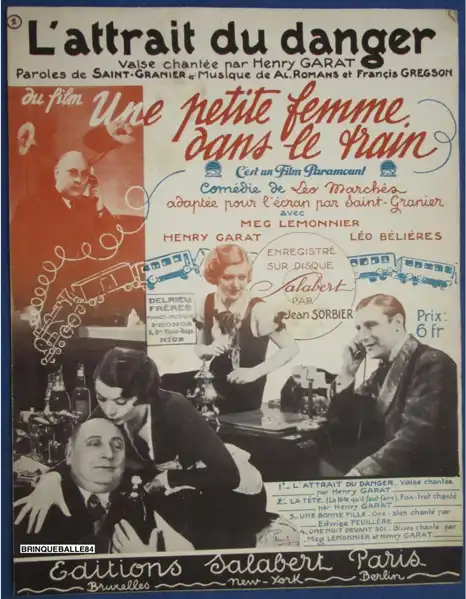
A definitive 7/10 rating for a film that redefined the boundaries of cult cinema. Une petite femme dans le train remains a cornerstone of transgressive art.
If you have seventy minutes to spare and a soft spot for dusty, black-and-white French people screaming at each other in tiny train compartments, then yes, Une petite femme dans le train is absolutely worth your time. It’s a silly, light-as-air 1932 farce that will delight anyone who loves old-school theater antics, but if you can't stand theatrical screeching or plotlines built entirely on people refusing to just talk to each other, you will probably want to throw your remote at the screen. 🚂
The whole thing kicks off with a train crash. Well, actually, we don't really see the crash because, you know, 1932 budget constraints, but we hear about it plenty.
Our main girl gets mistakenly reported as dead in the wreck, and instead of clearing things up like a normal person, she decides this is the perfect excuse to start a new life. It's a total rip-off of that old Pirandello story, but they swapped the genders to make it a rom-com.
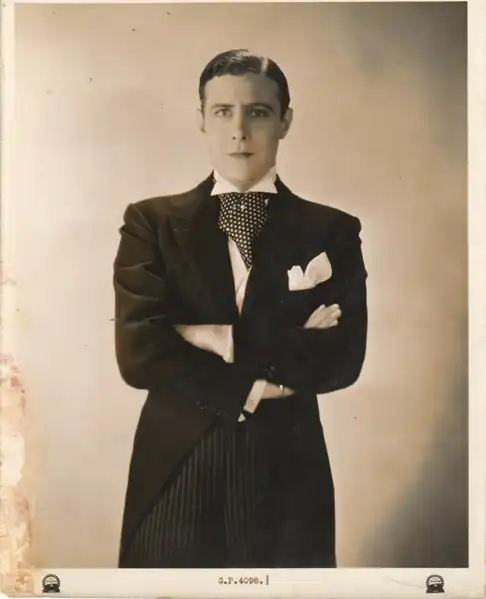
Edwige Feuillère is in this, though she's not even the main focus, which is wild because she usually steals the show. Instead, we get a lot of screen time with Henri Garat looking very dapper and slightly confused by everything happening around him.
There is this one scene in a hotel lobby that goes on for way too long. A bellhop keeps carrying the same leather suitcase back and forth in the background, and once you notice him, you can't look at anything else. 😂
I kept thinking about other films from around this transition era, like The Devil to Pay, which had that same polite but chaotic energy where everyone is trying very hard to be sophisticated while behaving like absolute toddlers.
The dialogue is so fast it feels like the actors had a train to catch themselves. (Pun intended, sorry.)
Sometimes the sound quality gets really fuzzy, especially when two characters start arguing near a window. It sounds like someone is frying bacon right next to the microphone.
But there is a charm to it. The husband character, played by Pierre Etchepare, has this incredible mustache that seems to have its own acting credits. It twitches whenever he gets suspicious, which is basically every three minutes.
It's funny how these old comedies always rely on the most fragile lies. One simple conversation would end the movie in five minutes, but instead, we get seventy minutes of "Oh, you think I'm her? Yes, I am her, but also I'm not."
If you've seen other early talkies like Daybreak, you know how awkward the camera movement can be when they were still figuring out where to hide the chunky microphones. Here, the camera mostly just sits there, watching the actors run in and out of doors like a filmed stage play.
I did love the train compartment set though. It looked incredibly cozy, even if the background scenery rolling past the window was clearly just a painted bedsheet being pulled by a stagehand.
Is it a masterpiece? Good lord, no. It’s barely a movie, more like a light breeze that smells like old celluloid and French cologne.
But on a rainy Sunday afternoon? It does the trick.
Anyway, don't expect too much and you'll have a decent time. Just don't try to make sense of the legalities of the identity theft thing, because the movie definitely doesn't care.
IMDb —
1924
Community
Log in to comment.