DbcultAccessing Vault...
Cult Review
Senior Film Conservator
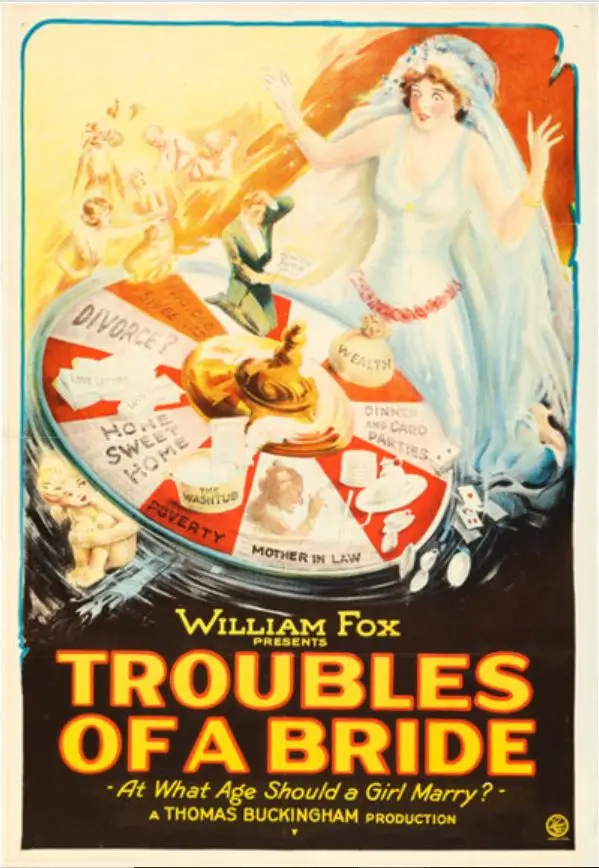
The year 1924 was a pivotal moment in the grammar of silent cinema, a period where the primitive slapstick of the previous decade began to fuse with the sophisticated psychological thrillers that would define the late silent era. In the middle of this evolution sits Troubles of a Bride, a film that deftly maneuvers between the lightheartedness of a wedding-day farce and the bone-chilling stakes of an industrial thriller. Directed by the often-underappreciated Tom Buckingham and penned by the prolific John Stone, this feature serves as a fascinating case study in how early filmmakers utilized the 'gentleman crook' archetype to expose the vulnerabilities of the burgeoning American upper class.
At the heart of the film’s success is the legendary Alan Hale, playing 'The Baron.' Long before he became the quintessential 'Little John' to Errol Flynn's Robin Hood, Hale possessed a screen presence that was simultaneously jovial and deeply unsettling. In Troubles of a Bride, his Baron is a direct cinematic descendant of the literary Vautrin, a character we see echoed in films like Trompe-la-Mort. He represents the ultimate fear of the 1920s elite: the outsider who doesn't just break into your home, but who understands your social codes well enough to be invited through the front door.
The Baron’s infiltration of the Patterson household via the guise of an architect is a brilliant narrative device. It transforms the physical structure of the home—intended to be a sanctuary and a gift for Mildred—into a labyrinth of traps. This theme of the 'betrayed domestic space' is a recurring motif in the era, often explored in more somber tones in works like The Door Between. Here, the house is not just a setting; it is the prize, the safe, and the stage for a psychological game of cat and mouse.
Mildred, portrayed with a vibrant, nervous energy by Mildred June, is more than a mere damsel in distress. Her character arc reflects the post-war anxieties regarding female agency and the 'vamp' phenomenon. When she suspects Robert (Robert Agnew) of infidelity, her decision to stage a kidnapping is a desperate attempt to reclaim control over her narrative. This plot point draws interesting parallels to the social dynamics found in Youthful Cheaters, where the younger generation uses deception as a tool for emotional leverage.
However, the film takes a dark turn when Mildred realizes that her 'actor' is a true predator. The shift from a staged melodrama to a genuine abduction is handled with a tonal shift that feels remarkably modern. It reminds the viewer that the safety nets of wealth and status are easily shredded by a focused criminal mind. Unlike the more whimsical depictions of social strife in The Princess of Patches, Troubles of a Bride refuses to let the protagonist off the hook for her own hubris until the final, explosive moments.
The climax of the film is a masterclass in silent era stunt work and editing. The runaway train sequence is not merely a plot resolution; it is a manifestation of the era's fascination with—and fear of—uncontrolled technology. As the locomotive hurtles toward the river, the cinematography captures a sense of kinetic terror that rivaled the best work of Buster Keaton or Harold Lloyd. While films like Taxi Please used vehicles for comedic effect, Buckingham uses the train as a literal engine of fate.
The rescue by Robert Wallace is the quintessential 'hero's journey' moment, allowing Agnew to shed the 'playboy' image established in the first act. His redemption is physical, visceral, and ultimately successful. This type of high-stakes resolution was becoming a staple of the Fox Film Corporation's output, moving away from the more static, stage-bound productions of earlier years like National Red Cross Pageant.
When comparing Troubles of a Bride to its contemporaries, one must note the peculiar mix of genres. It lacks the overt moralizing of The Little Church Around the Corner, opting instead for a more cynical view of human nature. The Baron is never truly 'redeemed' in the traditional sense; he is merely apprehended, leaving the audience with the lingering realization that his brand of charm is a permanent fixture of the modern world.
In terms of its portrayal of the 'vamp' figure, the film is somewhat more progressive than A Prisoner in the Harem, which relied on more exoticized tropes. Here, the vamp is a domestic threat, a reminder that the stability of the marriage contract is always under siege. This domestic tension is a hallmark of John Stone’s writing, which often explored the fragility of the American family unit, a theme also present in His House in Order.
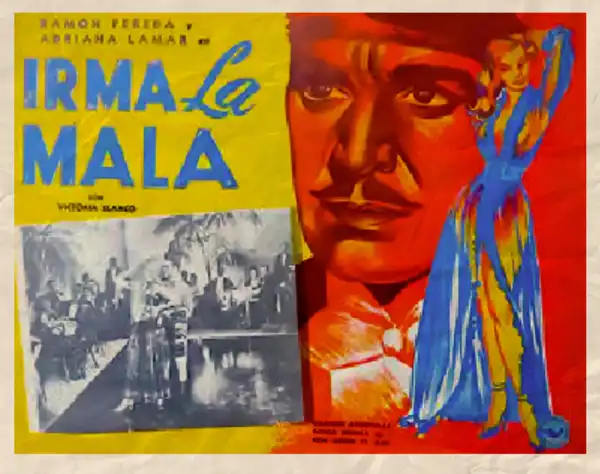
Tom Buckingham’s direction in Troubles of a Bride demonstrates a keen understanding of spatial relationships. The way he films the Patterson house—initially as a place of warmth and later as a site of claustrophobic tension—is masterful. The use of shadows and long corridors anticipates the noir aesthetics that would arrive two decades later. He avoids the static 'proscenium' style of many early silents, such as Miss Peasant or the Japanese classic Miyama no otome, instead opting for a dynamic camera that follows the characters' emotional trajectories.
The supporting cast, including the inimitable Bud Jamison and Heinie Conklin, provides the necessary comedic relief that prevents the film from descending into pure melodrama. Their presence ensures that the film remains grounded in the 'entertainment-first' philosophy of the 1920s, even as it touches on darker themes of betrayal and theft. This balance of tone is what makes the film so rewatchable today; it functions as a thrill ride while offering a biting critique of social naivety.
While Troubles of a Bride might not hold the same canonical weight as The General or Sunrise, it is an essential piece of the silent era puzzle. It captures a specific American moment where the thrill of the new—new money, new architecture, new technology—collided with the age-old reality of the con man. It is a film that rewards close viewing, particularly for the nuances of Alan Hale’s performance and the sheer audacity of its final act.
For those interested in the evolution of the heist film, this is a foundational text. It shows that the mechanics of the 'long con' were already well-established in the cinematic consciousness long before the talkies arrived. Whether you are a fan of early action cinema like An Overall Hero or domestic comedies like Playmates, Troubles of a Bride offers a compelling synthesis of both. It is a testament to the creativity of Stone and Buckingham that a century later, the tension of that runaway train still feels palpable, and the Baron’s smile still feels like a warning.
In the end, the film is a reminder that the most dangerous thing in a house isn't the valuables in the safe, but the secrets we keep from those we love. Mildred’s 'troubles' begin with a lie and end with a crash—a trajectory that remains as relevant in the modern era as it was in 1924. If you have the chance to see a restored print, do not hesitate. It is a vivid, thrilling, and ultimately deeply satisfying piece of film history that deserves its place in the spotlight once more.
IMDb —
1934
Community
Log in to comment.