DbcultAccessing Vault...
Cult Review
Senior Film Conservator
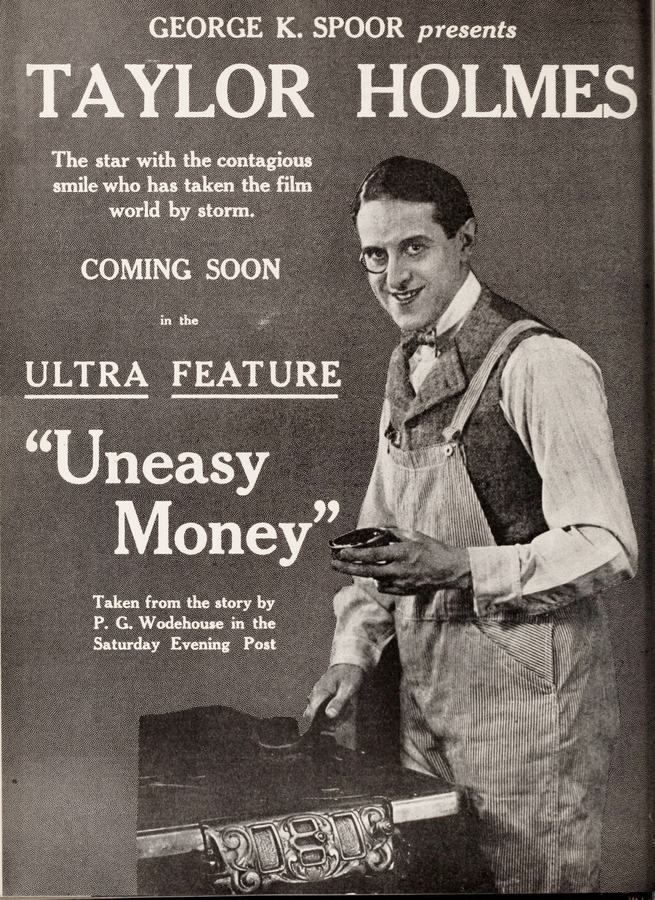
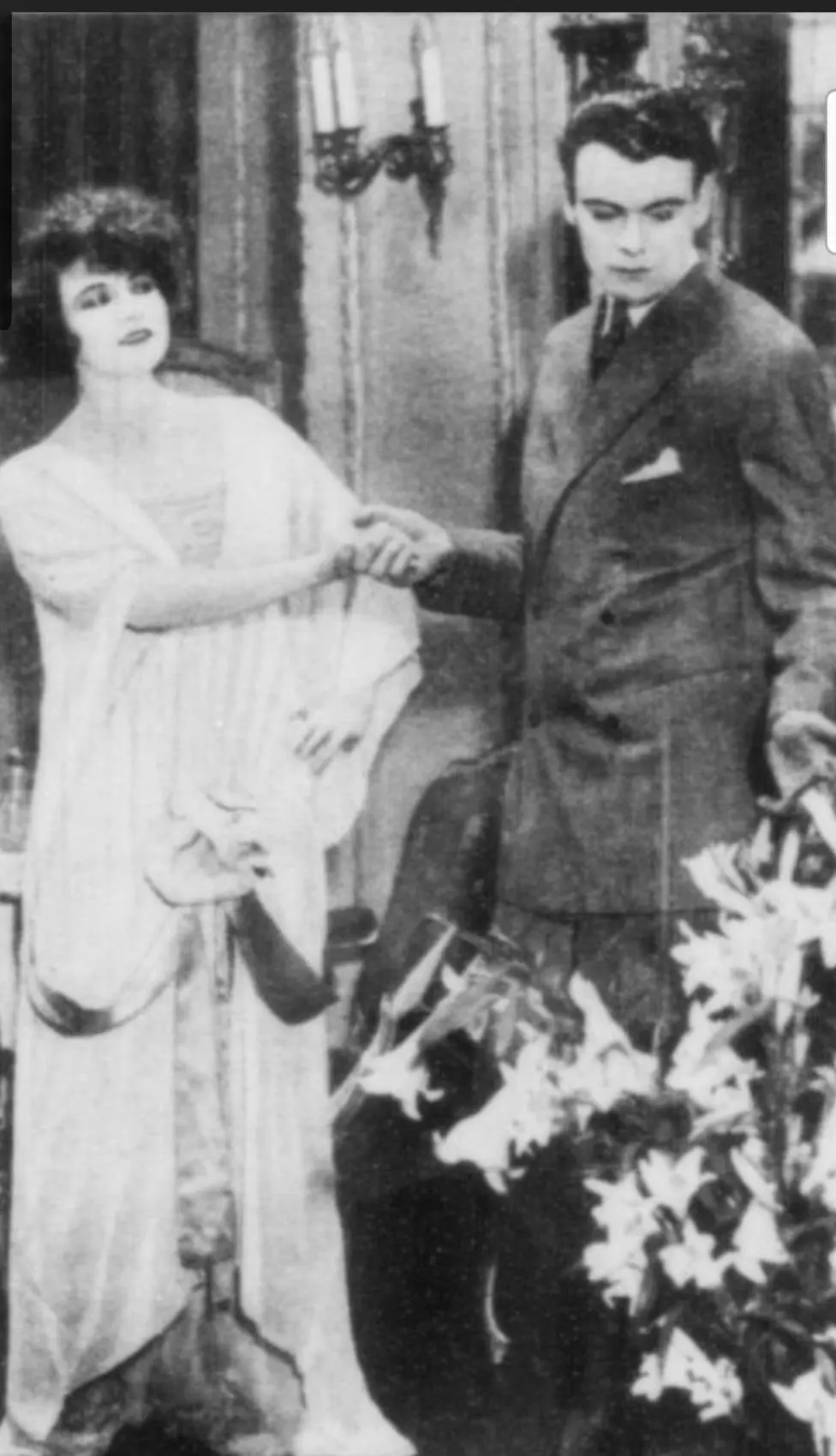
In the annals of early cinema, where narratives often leaned on broad strokes and overt melodrama, a film like Uneasy Money emerges as a testament to the sophisticated storytelling possibilities of the silent era. Adapted from P.G. Wodehouse’s delightful novel, this 1918 production, while perhaps overshadowed by later, more accessible works, offers a fascinating glimpse into the nascent art of cinematic comedy, demonstrating an impressive knack for translating intricate plot mechanics and character-driven humor to the screen without the aid of spoken dialogue. It's a film that asks us to look beyond the superficial lack of sound and appreciate the visual language, the nuanced performances, and the sheer ingenuity required to bring such a tale to life.
The story pivots on a classic Wodehousian premise: an unexpected inheritance that throws several lives into delightful disarray. Lord Dawlish, a man of noble lineage but perhaps modest means, finds his fortunes dramatically altered when an eccentric English millionaire names him as his sole heir. This sudden windfall, however, comes at the expense of the millionaire’s American nephew and niece, who are unceremoniously cut off. Dawlish, portrayed with a compelling blend of aristocratic decorum and genuine moral unease, is not your typical grasping beneficiary. His conscience, a rather inconvenient accessory for someone suddenly thrust into wealth, compels him to offer half his inheritance to the disinherited niece, Elizabeth. This act of unexpected generosity sets in motion a chain of events that is as convoluted as it is charming, a true hallmark of Wodehouse’s intricate plotting.
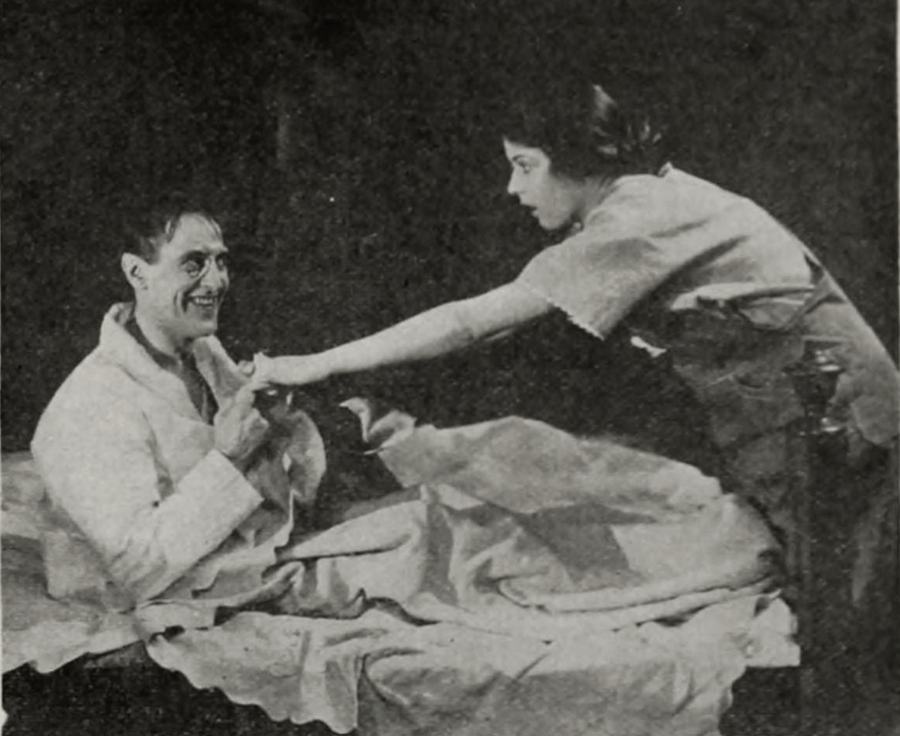
Elizabeth, however, is no shrinking violet; she refuses Dawlish’s offer, her pride and independence shining through even in the silent medium. This refusal, far from deterring Dawlish, only galvanizes him. He resolves to cross the vast expanse of the Atlantic to personally persuade her, embarking on a quest that is part chivalric, part quixotic. It’s a bold move, indicative of a character who values ethical rectitude over effortless affluence, and it immediately sets him apart from the more cynical protagonists often found in tales of inheritance. This particular narrative thread, where a large sum of money becomes a catalyst for moral introspection and romantic pursuit, echoes the thematic undercurrents found in other films of the era, such as A Million a Minute or The Highest Bid, where the pursuit or disposal of wealth drives the central conflict.
No Wodehouse adaptation worth its salt would be complete without a generous helping of miscommunication and mistaken identity, and Uneasy Money delivers on this front with panache. While Dawlish is en route to America, his fiancée, the alluring actress Claire Edmont, finds herself in a predicament of her own. Unaware of the intricate details of the inheritance or Dawlish’s noble transatlantic mission, she encounters a man on the boat and, in a moment of impulsive decision or perhaps romantic delusion, marries him. This unexpected turn of events injects a potent dose of dramatic irony into the narrative, creating a delightful contrast between Dawlish’s earnest pursuit of Elizabeth and Claire’s unwitting marital entanglement. The film expertly uses visual cues and intertitles to convey these parallel storylines, maintaining clarity amidst the burgeoning chaos.
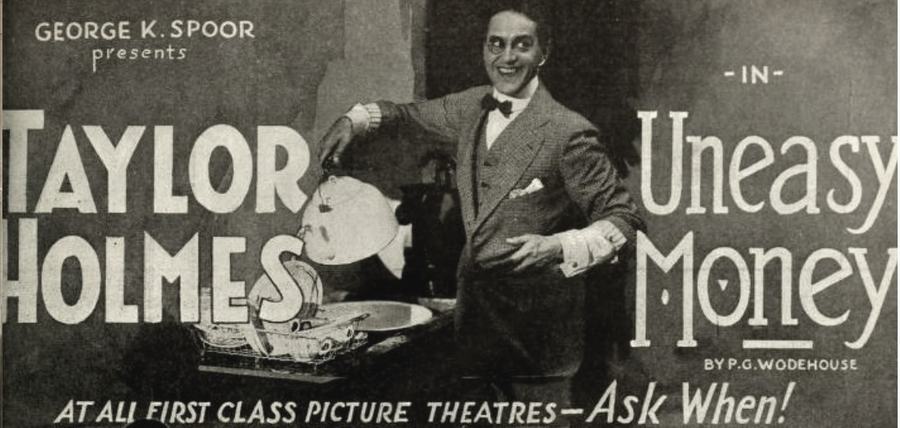
Upon arriving in America, Dawlish, in a move that is both practical and romantically motivated, adopts the guise of “Bill Chalmers,” his family name, shedding his lordly title to approach Elizabeth on more equal footing. This act of deliberate disguise, a common trope in romantic comedies, allows for a genuine connection to blossom, untainted by the specter of his wealth or status. As “Bill,” Dawlish wins Elizabeth’s affection, their love blossoming organically, founded on personality rather than property. However, the dramatic tension escalates as the audience, privy to Dawlish’s true identity, anticipates the inevitable moment of revelation. The film masterfully builds this suspense, drawing the viewer deeper into the emotional landscape of the characters. This theme of love blossoming under false pretenses, only to be challenged by the truth, finds echoes in films like The Little Liar, where deception, however well-intentioned, inevitably complicates matters of the heart.
The success of Uneasy Money hinges significantly on the expressive performances of its cast. In the silent era, actors were tasked with conveying complex emotions, motivations, and comedic timing through exaggerated facial expressions, precise body language, and dramatic gestures. Lillian Drew, likely portraying Elizabeth, embodies the spirit of an independent woman, her refusal of Dawlish’s initial offer speaking volumes about her character’s strength and self-respect. Her evolving affection for “Bill Chalmers” must be conveyed through subtle shifts in demeanor, a gradual thawing of initial skepticism into genuine warmth. Charles Gardner, presumably as Lord Dawlish/Bill Chalmers, navigates the dual identity with commendable dexterity, portraying both the earnest nobleman and the unassuming suitor.
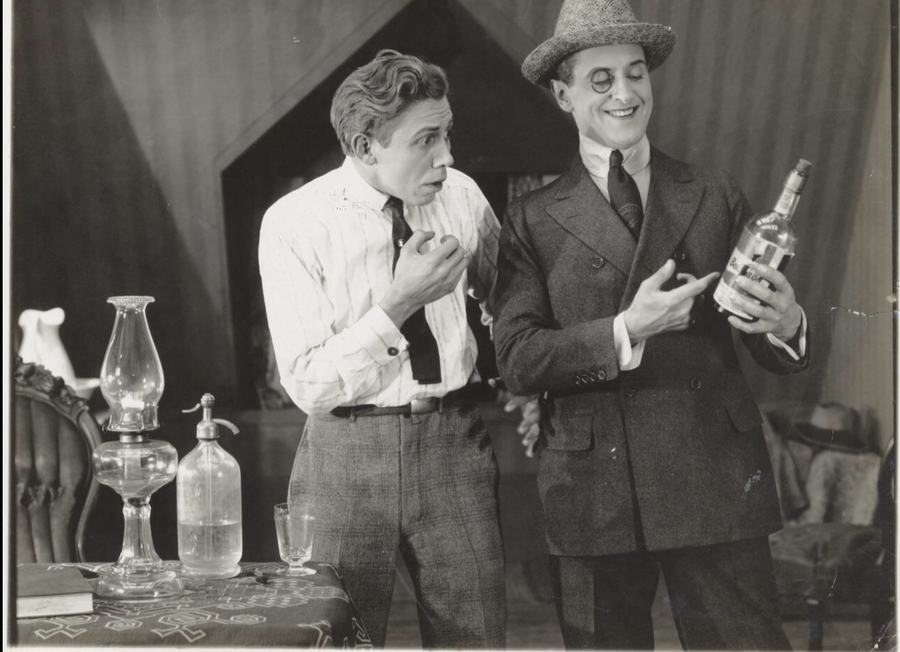
The supporting cast, including Rod La Rocque, Phillips Holmes, Arthur W. Bates, Taylor Holmes, James F. Fulton, Virginia Valli, Virginia Bowker, and Fred Tiden, would have contributed to the film’s vibrant tapestry, each playing a crucial role in the unfolding comedic and romantic drama. For instance, the character of Claire Edmont, likely played by one of the prominent actresses, would require a nuanced performance to make her impulsive marriage believable without rendering her unsympathetic. The challenges of silent acting were immense, requiring a heightened sense of theatricality combined with an ability to project internal states without dialogue. The film’s ability to sustain its intricate plot and emotional arcs through purely visual means is a testament to the skill of these early performers and the direction that guided them. The interplay of their expressions and movements creates a rhythm that, though silent, speaks volumes, much like the unspoken dynamics in films such as The Mating, where non-verbal communication is paramount to understanding romantic entanglements.
P.G. Wodehouse’s novels are renowned for their sparkling prose, intricate plots, and a unique brand of gentle, often farcical humor. Translating this literary sensibility to the silent screen presented a formidable challenge. Raymond E. Dakin, credited as a writer alongside Wodehouse himself, would have been instrumental in adapting the novel’s dialogue-heavy wit into a visually driven narrative. This often involved relying on elaborate physical comedy, expressive acting, and strategically placed intertitles to convey crucial plot points and witty exchanges. The success of Uneasy Money in this regard highlights the ingenuity of early filmmakers in adapting beloved literary works. It demonstrates that the essence of Wodehouse’s humor — the well-meaning blunders, the absurd coincidences, the delightful misunderstandings — could transcend the medium of the written word and find a compelling visual counterpart.
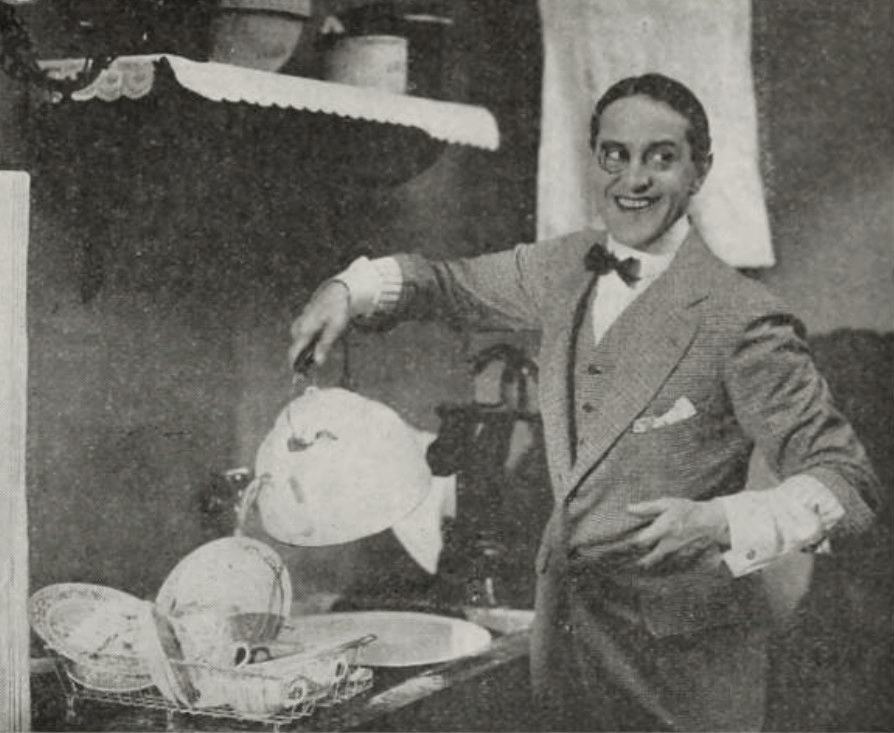
The film’s narrative structure, with its parallel storylines and converging fates, is a testament to Wodehouse’s masterful plotting, faithfully rendered on screen. The contrast between English aristocratic sensibilities and American pragmatism, a subtle but persistent theme in Wodehouse’s work, is likely conveyed through character demeanor and setting. The eccentric millionaire who sets the plot in motion is a classic Wodehousian archetype, a figure whose whimsical decisions have profound, often comedic, consequences for those around him. This adaptation serves as an important historical document, showcasing how early cinema grappled with the task of preserving the spirit of popular literature while forging its own unique artistic language. The film, in its own silent way, manages to capture the lighthearted yet intricate spirit of its source material, a quality often sought but rarely achieved in literary adaptations, much like the delicate balance in Called Back, where intricate plotting is key to its appeal.
Beyond the comedic surface, Uneasy Money delves into several enduring themes. The most obvious is the complex relationship between wealth and happiness. Lord Dawlish’s initial discomfort with his inheritance, and his desire to share it, immediately sets him apart from characters driven purely by avarice. His decision to adopt an alias to win Elizabeth’s love suggests that true happiness cannot be bought or inherited, but must be earned through genuine connection. This exploration of the “uneasy” nature of inherited wealth, and its potential to complicate rather than simplify life, offers a subtle critique of societal values that equate prosperity with contentment. In this regard, it shares thematic resonance with films that examine the societal impact of money and status, such as The Gilded Youth or Extravagance, which often explore the moral quandaries associated with sudden riches.
The theme of identity is equally central. Dawlish’s transformation into “Bill Chalmers” is more than a mere disguise; it’s an exploration of how external circumstances and self-perception can shift. He seeks to be loved for who he is, rather than for his title or fortune. Elizabeth’s journey involves discovering the true identity of the man she loves, forcing her to reconcile her feelings for “Bill” with the revelation of Lord Dawlish. This dual identity creates a powerful emotional core, as the audience watches the characters navigate the treacherous waters of truth and deception. The film, through its visual narrative, effectively communicates the internal struggles and shifting perceptions of its protagonists, culminating in a rapid conclusion that ties together these intricate threads of identity, love, and fortune. The eventual resolution, a hallmark of Wodehouse’s comedic genius, promises a satisfying, if somewhat predictably chaotic, outcome.
Uneasy Money stands as a charming example of early cinematic adaptation and a testament to the enduring appeal of Wodehouse’s storytelling. While silent films might require a different mode of engagement from modern audiences, the underlying narrative — a romantic comedy of errors driven by inheritance, mistaken identities, and the pursuit of genuine affection — remains remarkably timeless. The film’s ability to evoke laughter, sympathy, and anticipation without a single spoken word underscores the universal power of visual storytelling. It’s a reminder that good stories, well told, transcend technological limitations.
For those willing to delve into the rich history of cinema, Uneasy Money offers a rewarding experience. It provides not only a delightful narrative but also a valuable insight into the craftsmanship of early filmmakers and actors who laid the groundwork for the cinematic language we understand today. It's a film that, despite its age, continues to resonate with themes that are as relevant now as they were over a century ago: the complications of wealth, the sincerity of love, and the often-hilarious twists of fate that shape our lives. The “rapid conclusion” promised in its plot summary is characteristic of the brisk pacing and satisfying resolutions found in many films of this era, leaving the audience with a sense of delightful closure, much like the well-orchestrated endings of other romantic comedies like Kiss or Kill or Beloved Adventuress, where all narrative threads are neatly, if dramatically, tied up.
In its quiet, unassuming way, Uneasy Money delivers a masterclass in silent storytelling, proving that wit, charm, and complex human emotions can be conveyed with compelling clarity, even in the absence of sound. It’s a film that deserves to be rediscovered, appreciated not just as a historical artifact, but as a vibrant piece of cinematic art that continues to entertain and enchant.
IMDb 5.6
1934
Community
Log in to comment.