DbcultAccessing Vault...
Cult Review
Senior Film Conservator
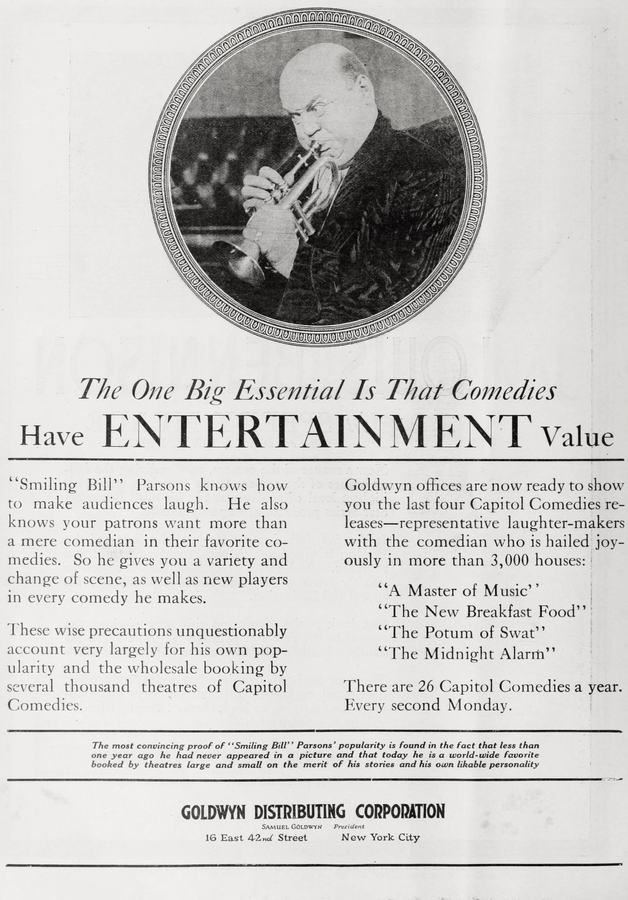
There's a peculiar magic in a film that hinges entirely on a preposterous premise, yet manages to charm and entertain with an undeniable verve. Such is the case with The Potum of Swat, a comedic gem that, even decades after its initial release, retains a delightful sparkle. This isn't just a story; it's a meticulously orchestrated dance of misunderstanding, a testament to human gullibility, and a showcase for the magnetic screen presence of William Parsons. From the moment Leander Potts, a burlesque manager with a troupe of 'Frivolous Frolickers' in tow, stumbles into Greenville, the narrative spirals into an escalating series of comedic blunders that are as ingenious as they are uproarious. The film doesn't merely present a plot; it invites us into a meticulously constructed world where expectation collides with reality in the most ludicrous ways possible, proving that sometimes, the most outlandish lies garner the grandest welcomes.
The core conceit of The Potum of Swat is deceptively simple: a man is mistaken for another, far more distinguished individual. Yet, it's in the execution and the specificities of this error that the film truly shines. Leander Potts isn't just any traveling showman; he's the manager of a burlesque act, a profession that, even in its day, carried a certain reputation for irreverence and a touch of the disreputable. The irony of him being mistaken for the 'Potum of Swat,' a venerable centenarian philosopher renowned for his lectures on longevity and accompanied by his equally ancient daughters, is a stroke of pure comedic genius. This isn't a mere case of mistaken identity; it's a clash of worlds, a collision of the sacred and the profane, the highbrow and the lowbrow. The townsfolk of Greenville, desperate for wisdom and perhaps a touch of exotic novelty, embrace Potts with an almost religious fervor, blind to the obvious discrepancies. This immediate, uncritical acceptance is the engine of the film's humor, allowing Potts to fully lean into the charade with a confidence that only a seasoned performer could muster. The narrative, penned by Tom Bret, doesn't waste time on elaborate setups; it plunges us headfirst into the misunderstanding, allowing the audience to savor the delicious irony of every deferential bow and every reverent glance bestowed upon the unwitting impostor.
At the very epicenter of this elaborate deception is William Parsons, whose portrayal of Leander Potts is nothing short of captivating. Parsons doesn't just play a character; he embodies the very spirit of opportunistic charm. His Potts is not a malicious con artist, but rather a man who, presented with an absurdly fortuitous circumstance, simply cannot resist the temptation to embrace it. There's a twinkle in his eye, a subtle shift in his posture, a barely perceptible smirk that communicates volumes about his internal amusement and his sheer audacity. He navigates the escalating demands of his newfound identity with a blend of quick wit and theatrical flair, drawing upon his experience as a showman to convincingly play the part of a wise, ancient guru. Parsons’ performance is a masterclass in silent-era acting, conveying layers of emotion and intention without uttering a single word. He makes Potts relatable despite his deceit, infusing him with a human vulnerability that prevents him from becoming a caricature. His interactions with the genuinely reverent townsfolk are a joy to behold, as he subtly manipulates their expectations while maintaining a façade of serene wisdom. This nuanced performance elevates The Potum of Swat from a mere slapstick comedy to a character study of a man caught between his true self and the grand role thrust upon him.
The brilliance of The Potum of Swat owes a significant debt to the ingenious script crafted by Tom Bret. Bret's writing is characterized by its sharp wit, its impeccable pacing, and its remarkable ability to build comedic tension through escalating absurdity. He doesn't just create a scenario; he meticulously constructs a world where such a misunderstanding feels not only possible but inevitable. The details are crucial: the specific age of the real Potum's daughters (ranging from 70 to 85 years), the nature of his lecture (how to live a thousand years), and the very name 'Potum of Swat' all contribute to the film's unique flavor. Bret understands that comedy often springs from contrast, and he masterfully juxtaposes the worldly, somewhat jaded Leander Potts with the earnest, easily impressed residents of Greenville. The dialogue (or intertitles, as was common for the era) is crisp and purposeful, driving the plot forward while simultaneously highlighting the inherent humor of each situation. There's a subtle satire at play here, a gentle poke at society's readiness to embrace the extraordinary and the exotic, often without questioning the veracity of the claims. Bret's narrative architecture ensures that each new development, each close call, and each triumphant moment of deception feels earned, culminating in a satisfying, if chaotic, resolution. It's a testament to his skill that the film remains engaging and genuinely funny throughout, avoiding the pitfalls of becoming repetitive or losing its comedic momentum. His work here could be seen as a precursor to later, more complex comedic narratives that rely on sustained deception, much like certain elements found in the intricate plotting of films such as In for Thirty Days, where characters often find themselves entangled in webs of their own making.
Beyond Leander Potts, the supporting cast and the setting itself play pivotal roles in amplifying the film's comedic impact. The 'Frivolous Frolickers,' Potts' burlesque troupe, serve as an excellent foil to the revered status he suddenly acquires. Their very presence, a symbol of lighthearted entertainment, stands in stark contrast to the gravitas expected of the Potum of Swat. Their reactions to Potts' impromptu transformation, ranging from bewildered amusement to complicit participation, add another layer of humor to the proceedings. They are the silent witnesses to his grand performance, often struggling to maintain their composure as their manager delivers pronouncements on eternal life. Then there are the people of Greenville, portrayed with a charming, almost innocent naiveté. Their eagerness to believe, their readiness to extend a 'royal welcome' to a complete stranger based solely on a misunderstanding, speaks volumes about their longing for something beyond their mundane existence. This collective gullibility is not presented as a flaw to be ridiculed maliciously, but rather as a human trait that allows for extraordinary comedic situations. The contrast between the sophisticated (or at least, street-smart) city dwellers and the impressionable townsfolk creates a dynamic tension that Bret exploits to perfection. The film subtly explores themes of provincialism versus urbanity, and the universal human desire for wisdom, novelty, or perhaps just a good show, no matter its origin. This kind of societal observation, albeit wrapped in humor, offers a fascinating glimpse into the cultural landscape of the era, reminiscent of the broader social tapestries woven into films like The Cloister and the Hearth, which, while dramatically different in tone, also explores human nature within specific societal structures.
The narrative trope of mistaken identity is a timeless one, a wellspring of both comedic and dramatic potential that filmmakers have returned to time and again. The Potum of Swat stands as a particularly delightful early example, demonstrating how effective this device can be when handled with wit and charm. While many films have explored characters assuming false personas, few do so with such a high degree of sheer, unadulterated absurdity. Compared to the more serious or dramatic stakes often found in identity-driven plots like The Last Man, where the very survival of humanity might hinge on a single individual's true identity, The Potum of Swat keeps its focus firmly on the lighter side of deception. It shares a spiritual kinship with other comedies where characters find themselves in over their heads due to a misunderstanding, perhaps resonating with the predicaments faced by characters in films like What Happened at 22, where circumstances lead to unexpected and humorous entanglements. The film's success lies in its ability to maintain a delicate balance between the farcical and the believable, never allowing the premise to strain credulity to the breaking point, even as it pushes the boundaries of logical possibility. This skillful navigation of tone is what allows it to endure as a classic, proving that a well-crafted lie can be far more entertaining than the dull truth. It's a foundational text for anyone interested in the evolution of comedic storytelling, particularly those narratives that revel in the power of perception and the hilarity that ensues when that perception is wildly off-base. The film's structural integrity and its reliance on character-driven humor also bring to mind the straightforward yet effective storytelling of titles such as Jack, Sam and Pete, which, while different in plot, similarly build their comedic world around distinct personalities and their interactions.
What is it about the impostor tale that continues to fascinate audiences across generations? Perhaps it's the vicarious thrill of observing someone defy convention, to step outside the bounds of their own identity and inhabit another, grander one. In The Potum of Swat, Leander Potts' transformation isn't born of malice or a desire for ill-gotten gains in the traditional sense, but rather a spontaneous seizing of an opportunity that is too good to pass up. This makes his character surprisingly sympathetic, even admirable in his audacity. We, as viewers, are complicit in his deception, rooting for him to sustain the charade for as long as possible, delighting in every close call and every clever improvisation. The film taps into a universal fantasy: what if, just for a moment, we could be someone else, someone revered, someone wise? It explores the malleability of identity and the power of perception, demonstrating that often, people see what they want to see, or what they are told to see. This psychological undercurrent, while never explicitly stated, adds a layer of depth to what might otherwise be a straightforward farce. It's a reminder that appearances can be deceiving, and that sometimes, the greatest wisdom can come from the most unexpected, and perhaps least qualified, sources. The cultural commentary embedded within this seemingly lighthearted narrative is surprisingly robust, offering insights into human nature that remain relevant even today. This depth, subtly woven into the comedic fabric, is a hallmark of truly memorable storytelling, much like the intricate character studies found in more serious works such as The Strength of Donald McKenzie, where identity and perception also play crucial roles in defining a character's journey.
The Potum of Swat, while perhaps not as widely known as some of its contemporary blockbusters, holds a significant place in the pantheon of early cinematic comedies. It's a film that perfectly encapsulates the spirit of its era, utilizing the visual storytelling capabilities of silent cinema to deliver a narrative rich in physical humor and character expression. The film's influence can be seen in countless subsequent works that have explored similar themes of mistaken identity, social satire, and the inherent humor in human folly. It serves as a valuable historical document, offering a glimpse into the kinds of stories that resonated with audiences of the time, and the comedic sensibilities that defined an era. For modern viewers, it's an opportunity to appreciate the foundational elements of screen comedy, to witness a master performer like William Parsons at the height of his powers, and to simply enjoy a well-told, genuinely funny story. Its charm is infectious, its humor timeless, and its message, however subtle, about the nature of perception and the allure of the extraordinary, continues to resonate. It is a film that, much like the elusive wisdom of the real Potum, leaves a lasting impression, proving that some stories, even those born of a simple misunderstanding, possess a longevity that defies the passage of time. Its unpretentious approach to humor and its focus on a singular, compelling premise make it a standout, distinguishing it from broader, more sweeping productions like The Conqueror, which aimed for epic grandeur rather than intimate comedic brilliance. Even in its simplicity, The Potum of Swat delivers a profound and delightful experience.
Final Thoughts on this Unforgettable Cinematic Jest:
To truly appreciate The Potum of Swat is to surrender to its delightful absurdity. It's a film that doesn't just ask you to suspend disbelief; it actively encourages you to revel in the sheer joy of a well-executed hoax. William Parsons delivers a performance that is both nuanced and uproarious, while Tom Bret's script provides a sturdy framework for the escalating comedic chaos. This isn't just a film about a lie; it's a celebration of human ingenuity, the power of a good story, and the enduring appeal of a charismatic rogue. It reminds us that sometimes, the most profound experiences come from the most unexpected of places, and that a touch of theatricality can transform the mundane into the magnificent. A true classic of its kind, The Potum of Swat stands as a vibrant testament to the timeless art of cinematic comedy, a joyous romp that continues to entertain and provoke thought, even decades after its original debut.
IMDb —
1935
Community
Log in to comment.