DbcultAccessing Vault...
7.1/10
Senior Film Conservator
A definitive 7.1/10 rating for a film that redefined the boundaries of cult cinema. Fifteen Minutes remains a cornerstone of transgressive art.
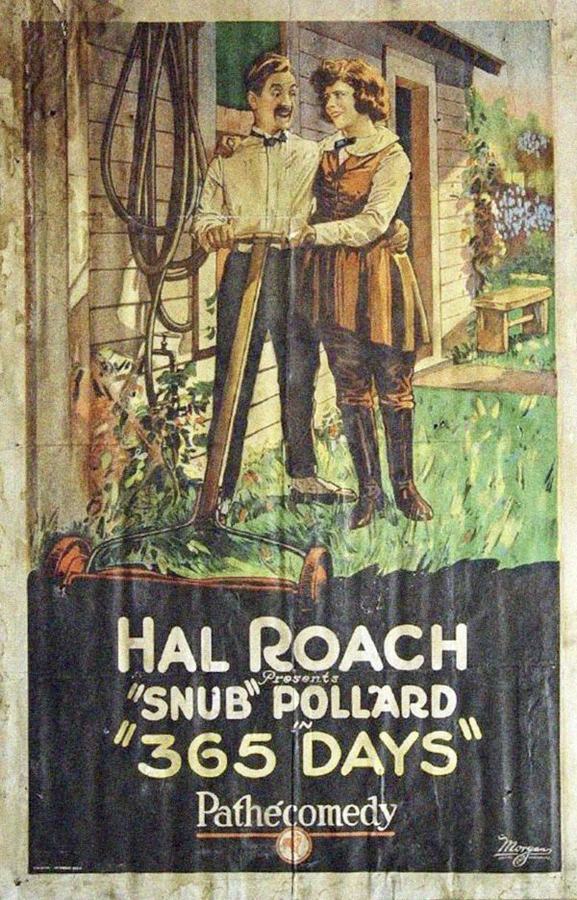
In the annals of silent cinema, few filmmakers wielded the scalpel of satire with the precision of Hal Roach. His 1920s short comedy Fifteen Minutes distills the absurdity of domestic life into a 15-minute vignette that feels both fleeting and eternal. This is not mere slapstick—it's a narrative tightrope walk, where every glance between Snub Pollard and his beleaguered wife becomes a silent scream against the tyranny of shared space.
The film opens with a deceptively mundane premise: a husband's solitary interlude while his wife is momentarily away. Yet Roach, ever the architect of chaos, turns this simple scenario into a labyrinth of escalating tension. Snub Pollard's character, with his perpetually furrowed brow and fidgety hands, embodies the modern man's struggle for autonomy. When the clock strikes his 15-minute window, he retreats with the cautious gait of someone entering a minefield—aware that any misstep will trigger the wife's return.
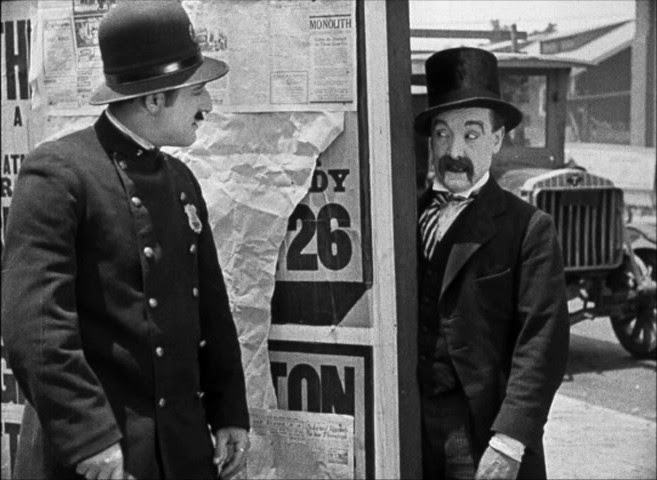
What follows is a masterclass in visual storytelling. Roach's camera lingers on subtle details: the creak of a floorboard that might summon his spouse, the ominous ticking of the clock, the way a misplaced hat becomes a totem of freedom. The humor arises not from exaggerated physicality but from the husband's internal monologue rendered visible through his increasingly panicked expressions. George Rowe and Marie Mosquini orbit the narrative like comets, their exaggerated gestures a counterpoint to the protagonist's claustrophobic struggle.
The film's brilliance lies in its economy. In just 15 minutes, Roach dissects the anatomy of marital compromise. When the wife returns sooner than expected, the husband's triumph curdles into defeat—a single cut from the sunlit window to the shadowed interior symbolizing the loss of autonomy. This is a far cry from the slapstick of The Clown, where physicality dominates, or the romantic entanglements of Ivonne, la Bella Danzatrice. Here, the comedy is cerebral, a silent film that speaks volumes about power dynamics without uttering a word.
Snub Pollard's performance is a revelation. His face, a canvas of micro-expressions, cycles through resignation, hope, and dread as the minutes tick away. When he finally secures his respite, the camera lingers on his face—relief etched into every line—but the joy is ephemeral. This fleeting victory mirrors the structure of Pep, where triumph is always provisional.
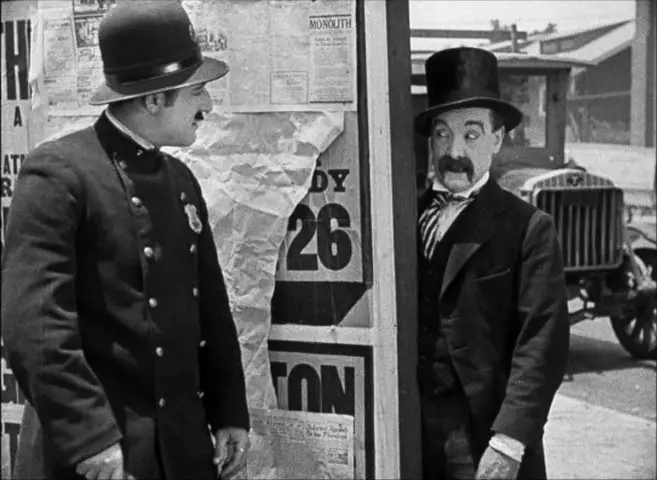
The supporting cast elevates the film from a simple gag to a tapestry of human behavior. John M. O'Brien and Vera White provide moments of levity that cut through the tension, their presence a reminder that life, even in monochrome, is full of color. The way William Gillespie and Wally Howe interact with the protagonist—sometimes allies, sometimes obstacles—adds layers to what could have been a one-note farce.
Technically, the film is a marvel. Roach's use of negative space is particularly striking: the empty chair where the wife sat becomes a symbol of both her absence and her lingering presence. The sound of the ticking clock, though silent in the visual sense, is a metronome that governs every frame. This auditory void is filled by the characters' reactions, a technique that prefigures the psychological realism of later Hollywood narratives.
Comparisons to The Lure of the Circus are inevitable, but where that film dazzles with spectacle, Fifteen Minutes delights in restraint. It's a film that understands that the most profound dramas unfold in the spaces between words—in the husband's eye twitch when he hears a key in the lock, in the wife's knowing smile as she returns early.
The film's legacy is paradoxical: it's both a relic and a prophecy. Its exploration of domestic space and gender roles anticipates the themes of The Undesirable, yet its execution is firmly rooted in the slapstick traditions of That's Good. This duality is what makes it endure—a bridge between the vaudeville past and the narrative future of cinema.
For modern audiences, Fifteen Minutes offers a glimpse into a world where comedy was distilled to its purest form. Without dialogue, without explosions, Roach crafts a narrative that resonates with anyone who's ever fought for a few moments of solitude. It's a film that, in its brevity, expands the possibilities of what cinema can achieve. And as the final scene fades, with the husband's 15 minutes reduced to a memory, we're left with a poignant truth: in the theater of life, we are all performers struggling for our moment in the spotlight.
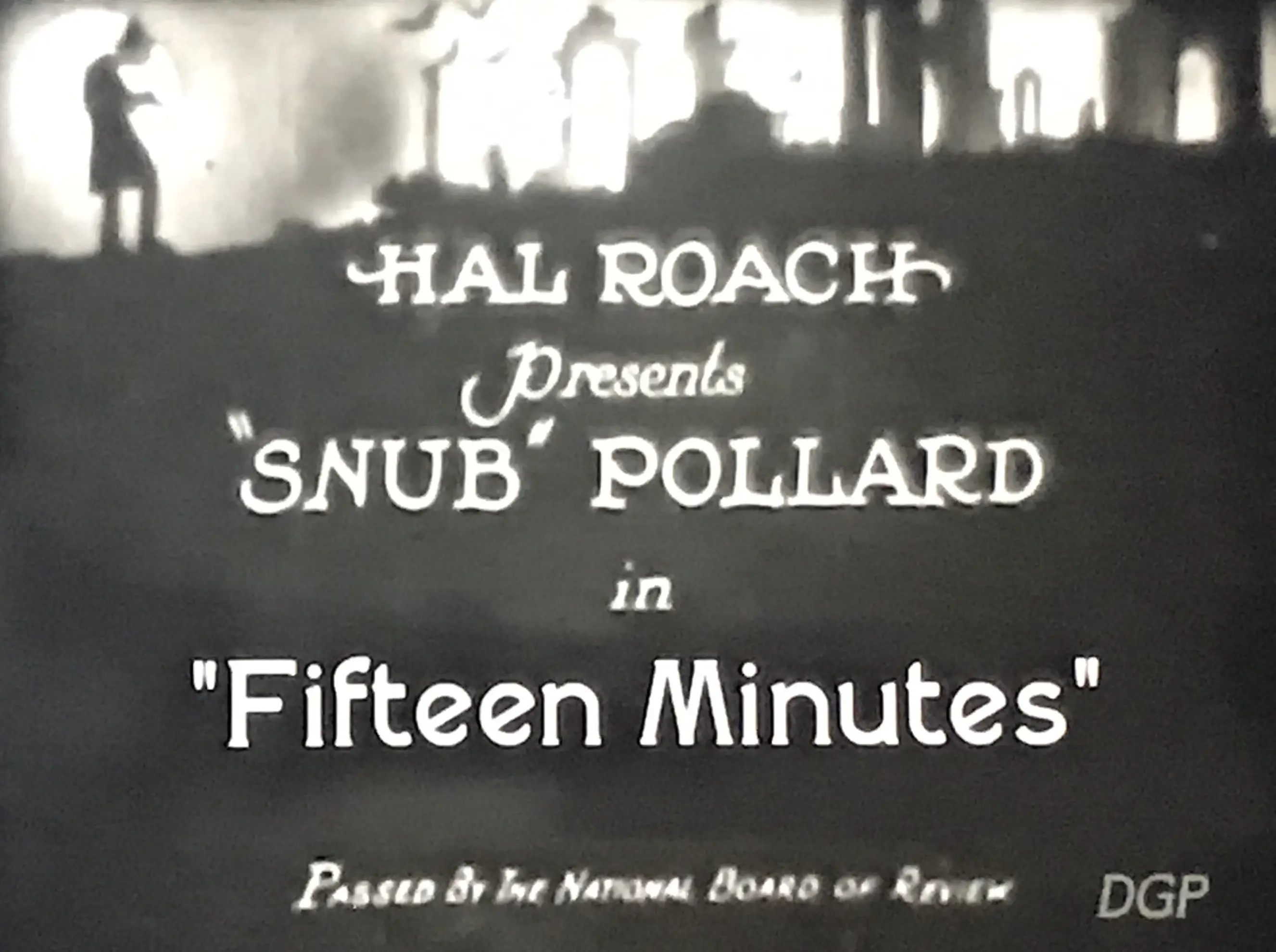
In the pantheon of Hal Roach's oeuvre, Fifteen Minutes stands as a quiet triumph. It's a film that demands multiple viewings, each revealing new subtleties in its choreography of chaos. For those seeking a deeper understanding of silent film's narrative potential, this is not just recommended—it's essential viewing. And for those who dismiss early cinema as primitive, this film serves as a reminder that some stories, when told with precision and heart, need no special effects to leave an indelible mark.
The final act, where the husband's fragile peace is shattered by the wife's unexpected return, is a masterstroke. The camera circles the room as he scrambles to reset the scene, a silent ballet of defeat. It's a sequence that echoes the cyclical nature of domestic life, where every victory is temporary and every peace is negotiated anew. This cyclical structure, so modern in its implications, is what cements Fifteen Minutes as more than a relic—it's a time capsule of universal human experience.
As we reflect on Fifteen Minutes, it's worth considering its place in the broader tapestry of Roach's work. Alongside Ambrose's Bungled Bungalow or Miss George Washington, it forms a constellation of stories about the absurdities of everyday life. Each film, though distinct, shares a common thread: the elevation of the mundane into the extraordinary through the alchemy of cinematic storytelling.
For film students and historians, Fifteen Minutes is a Rosetta Stone for understanding the evolution of comedic structure. Its influence can be seen in later works like The Clean-Up, where the stakes are higher but the emotional core remains the same. The film's legacy is not just in its humor but in its ability to articulate the human condition with such economy of means.
In conclusion, Hal Roach's Fifteen Minutes is a testament to the power of cinematic minimalism. It's a film that, in its 15-minute runtime, captures the full spectrum of human emotion—from the desperate yearning for solitude to the inescapable bonds of relationship. For its time, it was revolutionary; for ours, it remains a revelation. And as we sit in the dark, watching the husband's final defeat unfold, we're reminded that sometimes the most profound stories are the ones that end before they begin.
IMDb 6.2
1935
Community
Log in to comment.