DbcultAccessing Vault...
6.5/10
Senior Film Conservator
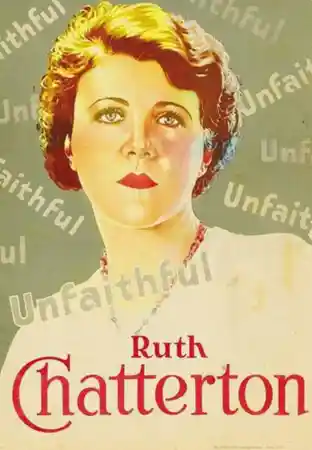
A definitive 6.5/10 rating for a film that redefined the boundaries of cult cinema. Unfaithful remains a cornerstone of transgressive art.
Alright, so if you're someone who loves digging into old films, especially those quiet, simmering dramas from when movies still felt a bit like staged plays, then Unfaithful might be your cup of tea. It's not for everyone, mind you. If you need explosions or fast-paced dialogue, you'll probably find yourself checking your watch. But for those who appreciate a good, old-fashioned melodrama built on a very specific kind of social pressure, this one has some interesting bits.
The whole premise feels very much of its time. You've got this noblewoman, played by Ruth Chatterton, who decides to take the fall for her sister-in-law's actual affair. Talk about a sacrifice! The film really leans into the idea of a woman's reputation being everything.
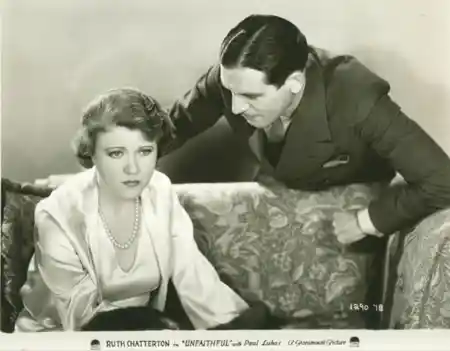
Chatterton, as Lady Joan, really sells the quiet burden. There's this one scene, I remember it vividly, where she's at a dinner party. Everyone's chatting, clinking glasses, and she just stares into her soup for a moment too long. You can almost feel the weight of the lie pressing down on her. It’s a tiny detail, but it stuck with me. 🍜
The sister-in-law, who's the *actual* guilty party, is a bit… wishy-washy. You kind of want to shake her sometimes. Her tears felt a little too easy, a bit too convenient, you know? It made Joan's sacrifice feel even bigger, almost annoyingly so.
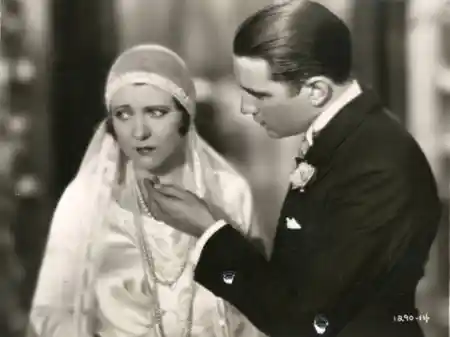
There's a lot of hushed conversations and people looking meaningfully at each other across drawing rooms. The tension comes from whispered gossip, not from anything overtly dramatic. It’s all about what isn't said, really.
Paul Lukas plays the husband, and he's got this stiff upper lip thing going on. You wonder if he ever actually smiles. His reaction to the whole situation is a masterclass in controlled outrage, or maybe just confusion. It’s hard to tell sometimes with these old films what's acting and what's just the style of the era. 🤔
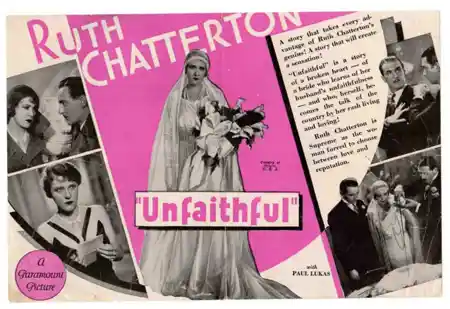
The film does a decent job of showing how quickly a rumor can just wreck everything for someone in that society. It's almost quaint now, but back then, it was a real threat. A single whisper could ruin a life.
Visually, it's pretty standard for the period. Nice sets, elegant costumes. Nothing that'll blow you away, but it looks good. There's a particular shot of Joan walking alone down a long hallway after a particularly nasty confrontation, and the shadows just stretch out forever behind her. It really emphasized her isolation.
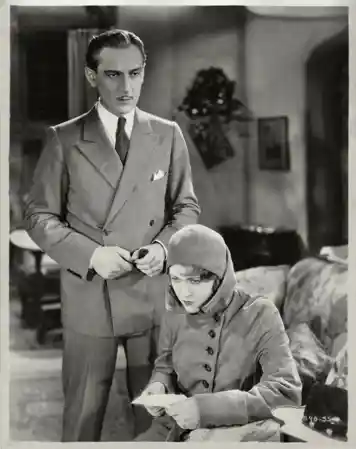
The pacing is definitely slow. It takes its sweet time getting where it needs to go. Sometimes you wish they'd just get on with it. But then, it does allow you to really settle into the characters' predicaments.
I found myself wondering, what would compel someone to do something so drastic? To essentially throw away their own good name for someone else's mistake? It's a noble gesture, sure, but also a bit The Guilt of Silence kind of heavy. This isn't a light watch.
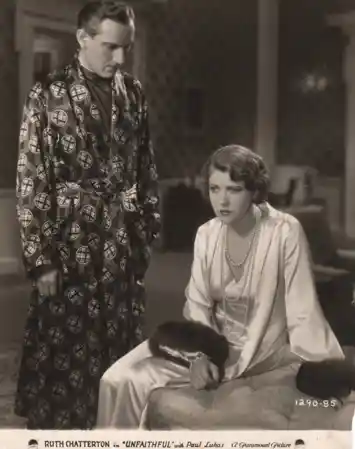
And those side characters! There's a particular busybody aunt who pops up occasionally, dispensing unsolicited advice. She's a bit of a caricature, but you can see how her presence fuels the social pressure. Every family has one, I suppose.
The ending felt a little... neat. After all that build-up, all that personal turmoil, it wraps up a bit too cleanly. I won't spoil it, but it almost felt like they ran out of time or decided to just tie a bow on it rather than letting the mess simmer a bit longer. Still, it provides a kind of resolution.
So, if you're into seeing how these old dramas handled moral dilemmas and social expectations, Unfaithful is an interesting watch. Just go in knowing it's a slower burn. It's a snapshot of a different time, and a reminder of how much has, and hasn't, changed about human nature. You can see echoes of its themes in something like Good Intentions, even with all the years between them.
IMDb —
1925
Community
Log in to comment.