DbcultAccessing Vault...
7/10
Senior Film Conservator
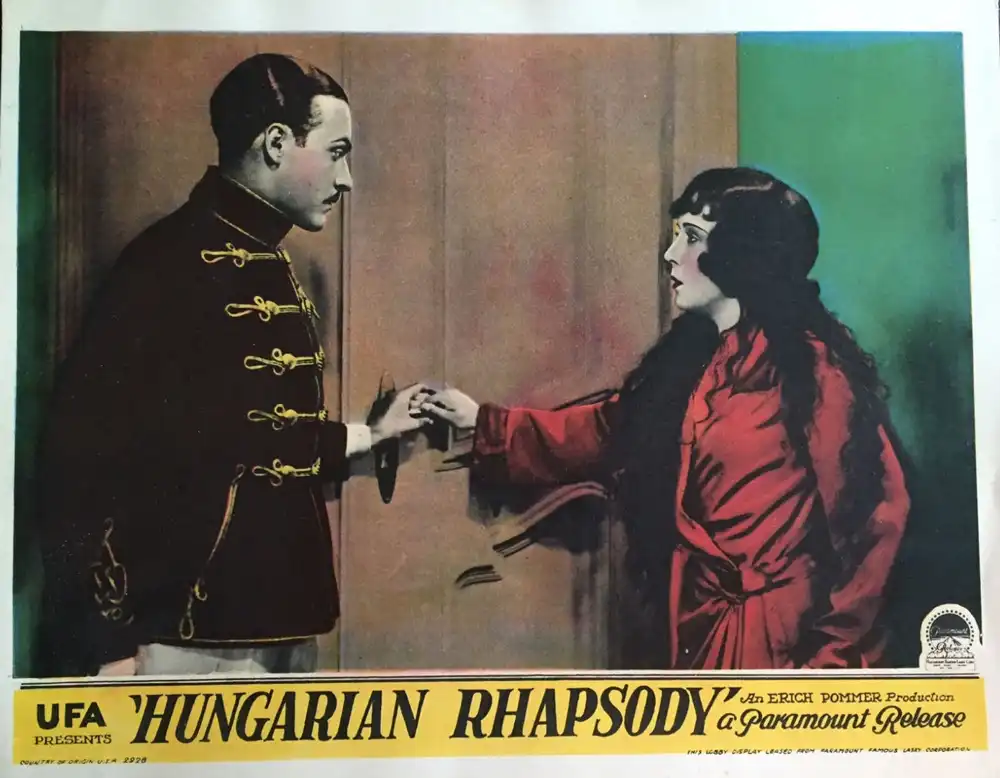
A definitive 7/10 rating for a film that redefined the boundaries of cult cinema. Ungarische Rhapsodie remains a cornerstone of transgressive art.
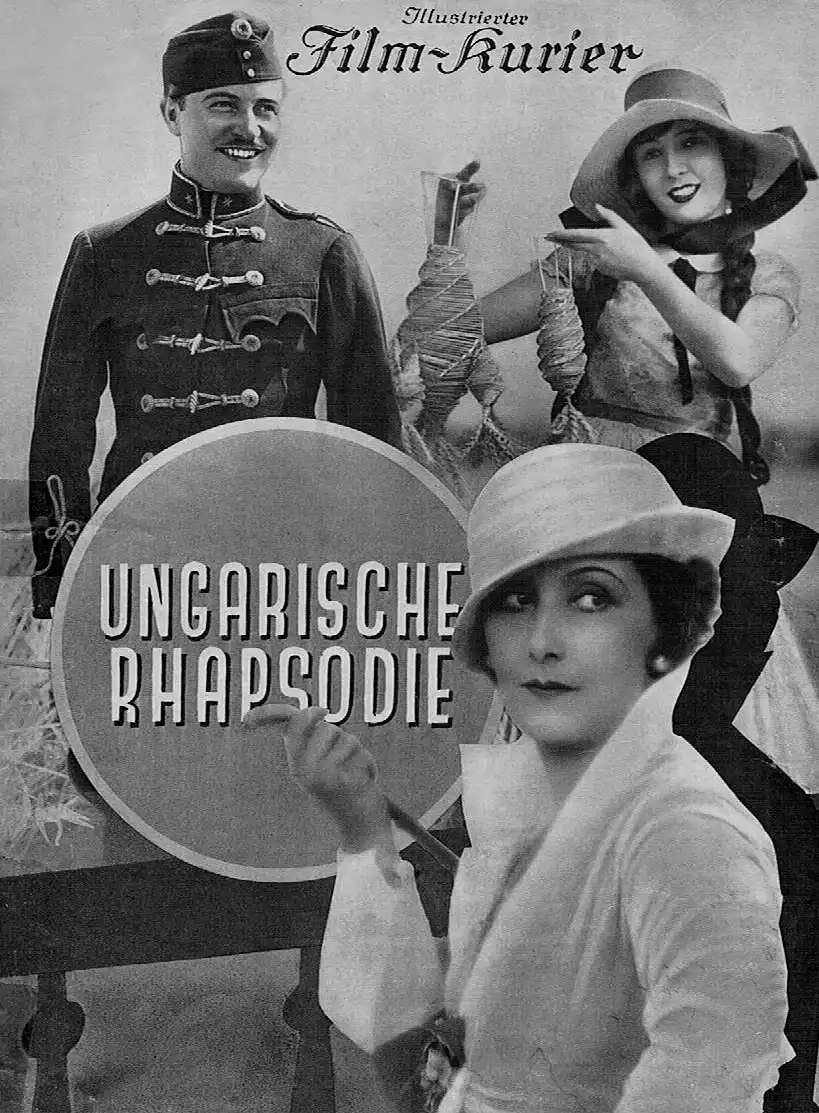
Is Ungarische Rhapsodie worth a watch today? Probably, yes, but with some serious caveats. If you're into the particular flavor of silent-era melodrama, the kind that lets emotions hang heavy in the air, you might find something here. Especially if you appreciate watching early film stars like Dita Parlo and Lil Dagover in less iconic roles. Anyone expecting a tight plot or subtle performances will likely be frustrated, maybe even bored. This one’s for the patient, for those who enjoy picking apart the mechanics of old movies, the slightly awkward charm.
The premise itself is ripe for drama: a disgraced nobleman, Lieutenant Ambruss (Erich Kaiser-Titz), and a middle-class girl, Marika (Dita Parlo), bound by a marriage that feels less like love and more like a societal arrangement. Ambruss's past includes some scandalous behavior, specifically a dalliance with an 'elderly Viennese' woman. This is the central conflict, supposed to weigh heavily on everyone. But the film, titled Ungarische Rhapsodie, rarely feels like a rhapsody. It’s more of a series of hesitant, sometimes clunky movements.

Dita Parlo as Marika has this wide-eyed intensity that sometimes works, sometimes feels a bit much. She's meant to be innocent, I think, but her expressions often border on bewildered. There's a scene early on where she's just listening to the marriage proposal, and her face holds this strange mix of fear and... well, almost boredom. It's hard to read. You can almost feel the camera trying to extract profound emotion from her, but it just doesn't quite land.
Erich Kaiser-Titz, playing Ambruss, has a certain swagger, but it feels a bit put-on. When he's supposed to be brooding over his past indiscretions, trying to redeem himself, it just looks like he forgot his lines. The film tries to convince you he's a tortured soul, a man burdened by honor, but his performance doesn't quite sell it. He just seems vaguely annoyed, perhaps by the whole situation, or maybe by the director’s demands for more intensity.
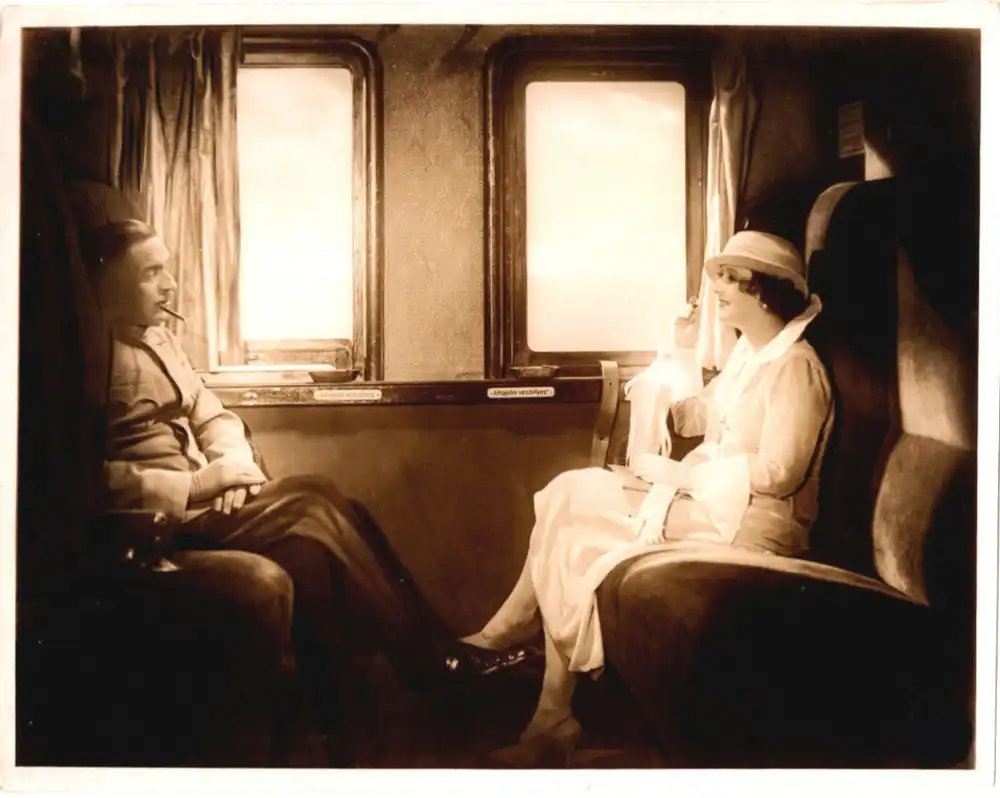
The 'scandalous behavior' mentioned in the plot summary, consorting with the wife of an elderly Viennese man, feels a bit vague in execution. We see glimpses, sure, but the impact of it on his character feels more told than shown. It’s a plot point that needed more weight, more visual emphasis, maybe a longer, more charged flashback. Instead, it’s a few quick cuts, and then we’re back to the main drama, leaving you to just accept its gravity rather than feel it.
Pacing is a real issue. Some scenes stretch on forever, particularly those involving characters just staring at each other. There's a moment when Marika is waiting for Ambruss to return from... somewhere, and the camera just holds on her, then a clock, then her again, for what feels like an eternity. It's supposed to build tension, I guess, or show her anxiety, but it just feels like padding. You start to wonder if the editor fell asleep, or if they just had too much film stock to use up.
On the other hand, the ball scenes, which could have been grand, feel oddly muted. The extras move stiffly, almost like they're afraid to bump into each other. It lacks the vibrant energy you'd expect from a supposedly lavish Hungarian setting. The costumes are fine, nothing particularly memorable, but the overall atmosphere is flat, more like a dress rehearsal than a bustling social event.
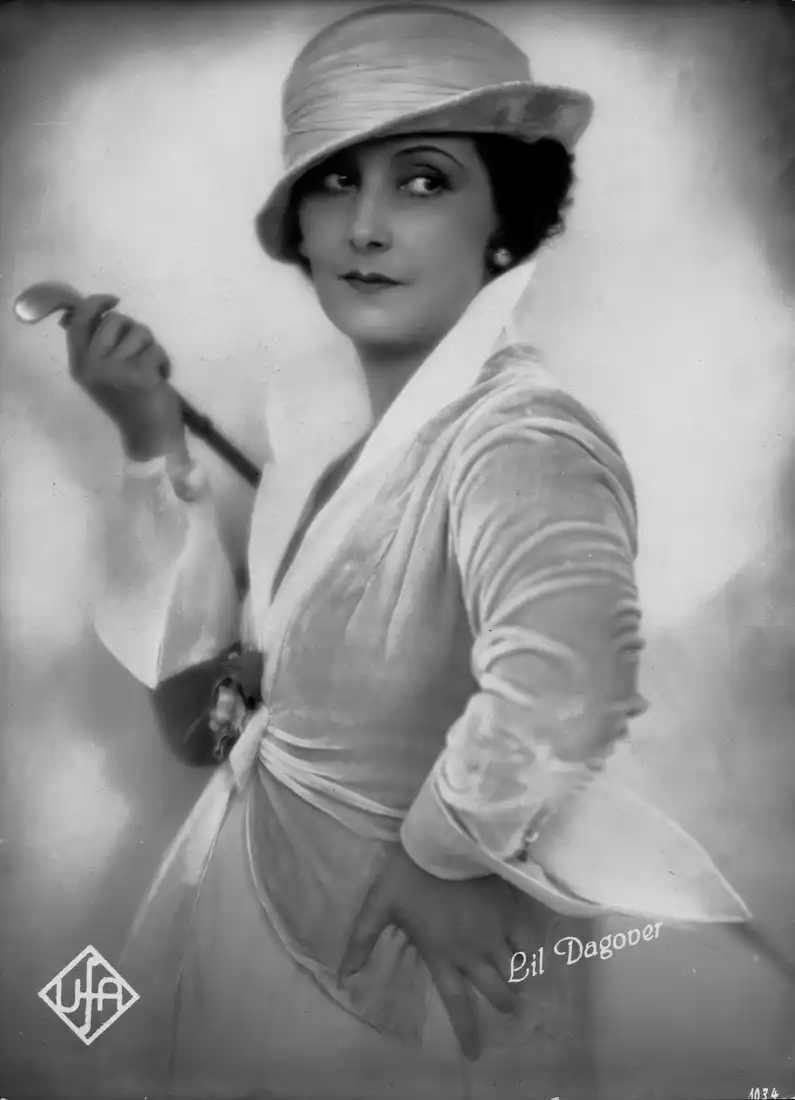
Lil Dagover, as Countess Augusta, the 'Viennese' woman from Ambruss's past, brings a much-needed spark. She's only in a few scenes, but her presence is magnetic. There's a shot of her just smiling, a knowing, slightly sad smile, and it communicates more about the weight of their past affair than any amount of Ambruss's brooding. It makes you wish she had more screen time. Her performance feels lived-in, a stark contrast to some of the more theatrical turns elsewhere.

The dialogue, even in translation, sometimes feels very stilted. Characters deliver lines that feel less like natural conversation and more like pronouncements. "My honor is stained!" "I shall redeem myself!" It's all a bit much, even for the era. You can almost hear the actors enunciating for the back row of the theater, projecting rather than conversing.
There's a weird cut during a crucial confrontation between Ambruss and another officer. One moment they're face to face, the next they're suddenly several feet apart, as if someone just hit fast-forward on the argument, skipping a beat. It pulls you right out of the moment, a little jolt of confusion.
But then, you get a genuinely beautiful shot. A wide shot of the Hungarian countryside, maybe a field of wheat, with the wind blowing through it. It's brief, almost an interlude, but it feels like a breath of fresh air amidst the overwrought drama. It reminds you there's a world outside these stuffy drawing rooms and military barracks, a world that feels much more alive.
The ending, without giving anything away, feels a little too neat. After all the emotional turmoil, it resolves things a bit too quickly, almost like the filmmakers ran out of ideas or time. The final reaction shot from Marika is ambiguous, which is good, but it doesn't quite stick the landing. It leaves you feeling a bit... unsatisfied, like a piece of music that ends on a half-note, leaving you waiting for the true resolution.
The whole thing is an interesting artifact. It's not a masterwork, no, but it has these flashes, these little moments where you see the potential of early cinema trying to tell a complex story. The way a certain character holds a teacup, or the slight tremor in Parlo's hand during a close-up that hints at real vulnerability. These tiny things are what make Ungarische Rhapsodie watchable, even when the larger narrative is struggling to find its rhythm. It’s a film that asks you to meet it halfway, to forgive its rough edges for the occasional glint of something genuine.
IMDb 6.7
1933
Community
Log in to comment.