DbcultAccessing Vault...
Cult Review
Senior Film Conservator
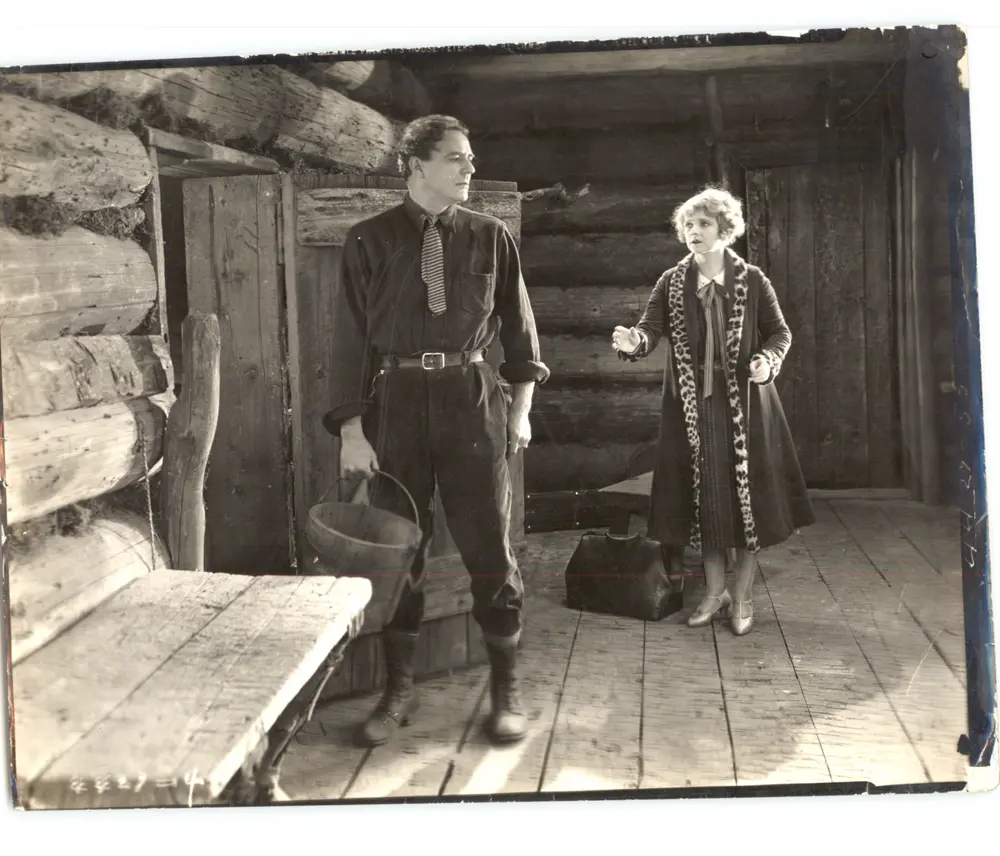
Is 1926’s The Combat worth your time in the digital age? Short answer: Yes, but only if you are willing to trade modern pacing for the raw, muscular energy of a silent-era survivalist thriller.
This film is specifically for those who appreciate the physicality of early cinema and the transition from Western tropes to industrial drama. It is absolutely not for viewers who require complex dialogue or subverted genre expectations.
1) This film works because House Peters brings a genuine, hulking physicality to Blaze Burke that feels dangerous even through the flicker of aged celluloid.
2) This film fails because the middle act leans too heavily on a romantic triangle that lacks the stakes of the primary forest conflict.
3) You should watch it if you enjoyed the rugged atmosphere of Tracked in the Snow Country or the moral dilemmas found in The Eyes of the World.
The Combat doesn’t waste time with pleasantries. It establishes the lumber camp as a microcosm of early 20th-century American ambition. House Peters, as Blaze Burke, isn't just a hero; he’s an engine of labor. His performance is a masterclass in silent-era gravity.
When Blaze confronts Red McLaughlin’s gang, the action isn't choreographed with the grace of modern stunts. It is messy. It is desperate. This lack of polish actually aids the film's immersion. You believe these men are fighting over wood and pride.
The cinematography by the uncredited lensman captures the scale of the timber. The trees feel like pillars of a cathedral that the men are slowly tearing down. It creates a sense of impending doom that follows the characters even when they aren't in immediate danger.
One of the most striking aspects of the film is its cynical take on the corporate structure. The betrayal of Blaze by the company owner is handled with a coldness that feels surprisingly modern. Milton Symmons, played with a perfect amount of punchable entitlement by Walter McGrail, represents the shift from the frontiersman to the bureaucrat.
It works. But it’s flawed. The film sets up a fascinating class conflict but then pivots toward a more standard "damsel in distress" narrative in the final third. I find this pivot frustrating. The real story was the theft of Blaze's labor, not just the theft of his potential heart.
Compare this to the narrative structure of The Third Generation. Both films deal with legacy and the failures of the preceding generation, but The Combat grounds its conflict in physical survival rather than social climbing.
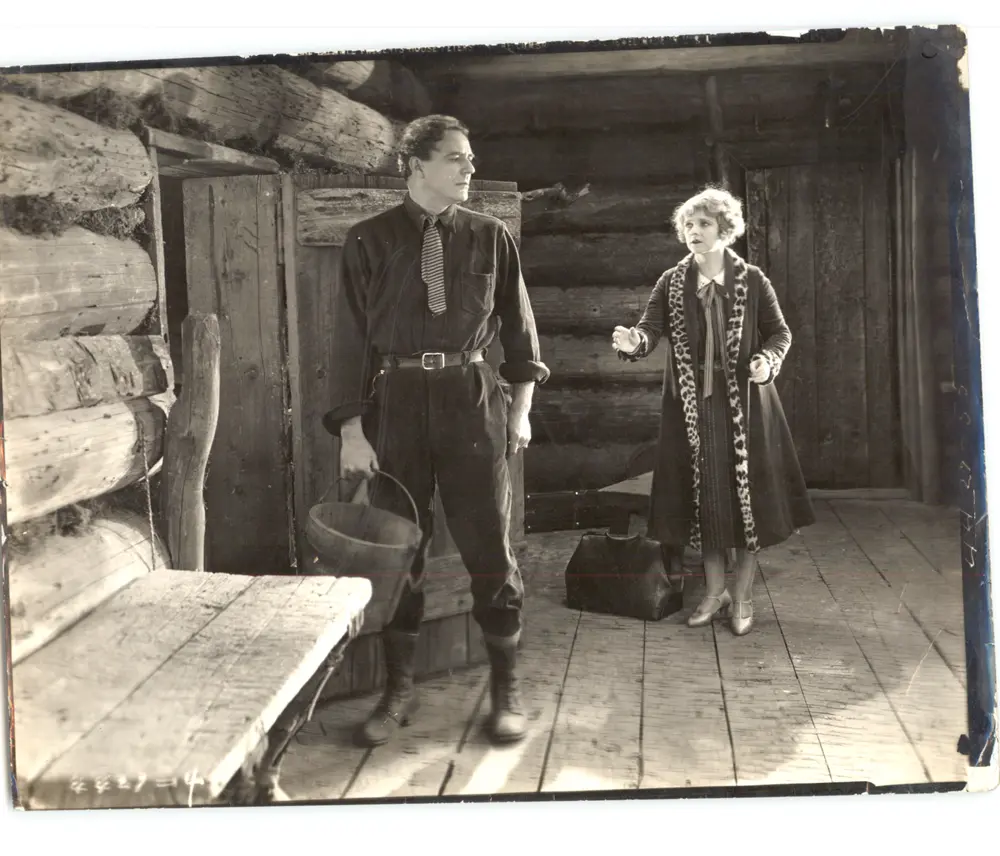
Yes. It is a vital piece of silent cinema that bridges the gap between the adventure serial and the serious drama. While the romantic subplot is dated, the central conflict regarding labor and betrayal remains universal. The final cabin sequence is a proto-thriller masterpiece of tension.
The final act in the isolated cabin is where the film truly earns its title. Red McLaughlin, played with a snarling intensity by Steve Clemente, is a terrifying presence. He isn't a mustache-twirling villain; he is a force of nature seeking retribution for his disbanded gang.
The use of shadows in the cabin sequence is remarkable. As Ruth and Blaze hide, the lighting creates a sense of claustrophobia that rivals the work in The Carpet from Bagdad. It turns a wide-open wilderness story into a tight, psychological horror film for ten minutes.
I would argue that Steve Clemente is the most interesting person on screen. His movements are jagged and unpredictable. He provides the necessary friction that makes Blaze’s eventual heroism feel earned rather than scripted.
The location shooting is spectacular, providing a sense of place that studio-bound films of the era like The Primrose Path lack. House Peters is a commanding lead, and the pacing in the final twenty minutes is relentless.
The middle section drags with unnecessary romantic pining. Some of the title cards are overly expository, explaining emotions that the actors are already conveying clearly through their performances.
The direction (often attributed to Lynn Reynolds) is surprisingly sophisticated in its use of depth. Characters often enter from the background, creating a three-dimensional world. This is a far cry from the flat, stage-like presentation seen in Weak, But Willing.
The tone is consistently grim. Even the moments of "romance" feel shaded by the surrounding poverty and the looming threat of the poachers. It avoids the saccharine nature of many 1920s dramas, opting instead for a gritty realism that feels closer to the works of Jack London.
"The Combat is a film about the death of a promise. It’s about a man who does everything right and still gets pushed aside by a man who did nothing at all."
This observation is what keeps the film relevant. We are still living in a world of Miltons and Blazes. The setting has changed from a lumber camp to an office building, but the theft of merit remains the same.
The Combat is a sturdy, well-built piece of cinema. It doesn't have the artistic flourishes of a European avant-garde film like Opus IV, but it doesn't need them. It is a meat-and-potatoes thriller that understands its audience.
While it may not be a foundational masterpiece of the genre, it is an excellent example of how silent film could convey complex social anger through simple, effective storytelling. House Peters deserves to be remembered alongside the greats of the era for his work here.
Watch it for the history. Stay for the cabin fight. Ignore the sappy romance. It is a film that demands respect for its sweat and its shadows.
IMDb 6.2
1932
Community
Log in to comment.