DbcultAccessing Vault...
Cult Review
Senior Film Conservator
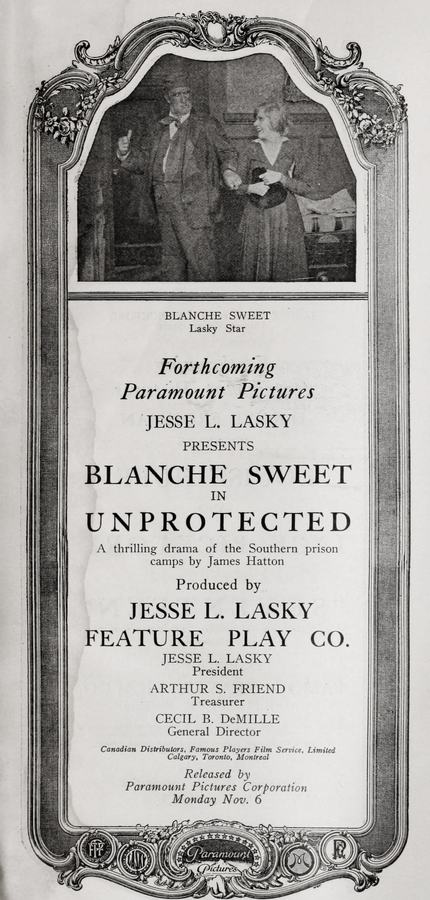
Stepping into the sepia-toned world of early cinema, one often encounters narratives that, despite their age, resonate with an astonishing contemporaneity. Such is the case with Unprotected, a 1913 cinematic offering that, through its stark portrayal of a young woman's struggle against societal and familial oppression, speaks volumes about the enduring fragility of innocence and the often-brutal cost of artistic integrity. Directed with a keen eye for dramatic tension and featuring a performance by Blanche Sweet that is nothing short of breathtaking, this film, even a century after its debut, compels us to reflect on themes that remain profoundly relevant.
The narrative, penned by James Hatton, is a tapestry woven from threads of tragedy, artistic aspiration, and the crushing weight of circumstance. We are introduced to Barbara King, a young Southerner whose life takes a precipitous turn following the untimely demise of her parents. Orphaned and vulnerable, Barbara is thrust into the care of her uncle, Rufus Jamison, portrayed with a chilling blend of bitterness and authoritarianism by Robert Gray. Rufus, a man seemingly consumed by a resentment for the artistic life, views Barbara’s father – an artist himself – as the architect of her mother's 'wasted life.' This ingrained prejudice forms the bedrock of his cruelty, as he subjects Barbara to a life of incessant drudgery, demanding she perform arduous housework to support his own meager existence. It's a classic setup for a melodrama, certainly, but Hatton's script elevates it beyond mere trope, imbuing Barbara's plight with a palpable sense of injustice that feels deeply human.
Despite the suffocating environment, Barbara's spirit remains remarkably unbowed. Her artistic lineage, a legacy she carries with both pride and a quiet defiance, manifests in a secret studio she cultivates in the attic – a sanctuary where she breathes life into inert materials, creating sculptures that speak to her burgeoning talent and her enduring connection to her father. This hidden world, a vibrant counterpoint to the drab reality enforced by Rufus, is a powerful symbol of the human need for self-expression, even in the face of overwhelming adversity. Blanche Sweet, even in the silent era, conveys this inner world with remarkable clarity, her expressive eyes and subtle gestures painting a portrait of resilience and burgeoning self-discovery.
The film's pivotal turning point arrives when Barbara, emboldened by a desire to honor her father's memory and perhaps to seek some validation for her own budding talent, surreptitiously ventures out to exhibit her father's latest, unheralded work. This clandestine excursion leads her into a world vastly different from her own – one populated by figures of influence and artistic sensibility. Here, she encounters Gordon Carroll, an artist himself, and his father, the governor. This brief but significant interaction offers Barbara a tantalizing glimpse of a life beyond her uncle’s tyranny, a world where art is celebrated and talent recognized. It’s a moment of hope, a fragile bloom in a desolate landscape, and Sweet’s portrayal captures the delicate balance between her character’s awe and her inherent modesty.
The contrast between Barbara’s aspirational encounters and the grim reality awaiting her at home is stark, building an almost unbearable tension. The audience, having witnessed her brief respite, dreads her return to Rufus, knowing instinctively that this fragile peace cannot last. This dramatic irony is a hallmark of effective storytelling, and Unprotected leverages it to devastating effect. The film skillfully builds towards its tragic climax, ensuring that the audience is fully invested in Barbara's fate.
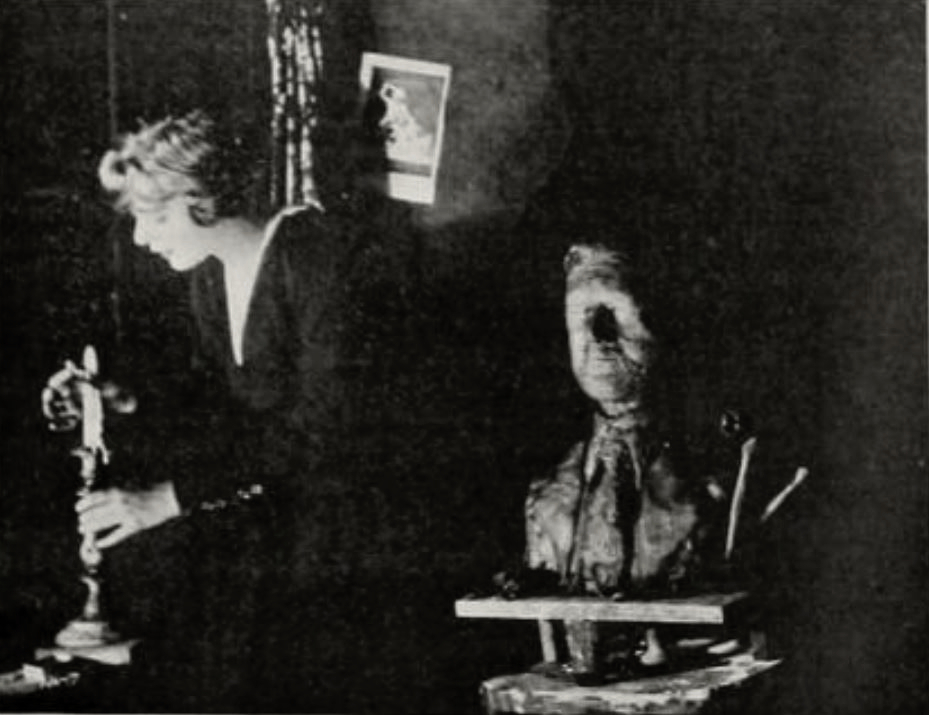
The inevitable confrontation between Barbara and Rufus is a masterclass in silent film dramatics. When Rufus discovers Barbara's secret attic studio, his deeply ingrained resentment for art, coupled with his tyrannical control over her, explodes in a paroxysm of destructive rage. He doesn’t just admonish her; he brutally destroys a statue of her father, a symbolic annihilation of her heritage, her solace, and her future. This act of wanton destruction is not merely a physical attack on an object; it is a profound violation of Barbara’s very being, a shattering of her most sacred sanctuary. The visual impact of this scene, even without dialogue, would have been immense, conveying the depth of Rufus's cruelty and the desperation it ignites in Barbara.
In a moment of raw, instinctual self-preservation – a flashpoint where years of abuse and artistic suppression converge – Barbara retaliates. The fatal stabbing of Rufus with a candlestick is a desperate act born not of malice, but of a profound, primal need to protect what little remains of her self-worth and her connection to her past. It’s a tragic inevitability, meticulously constructed by Hatton’s script and brought to life by the visceral performances. This scene echoes the harrowing choices faced by heroines in other classic narratives where societal pressures push individuals to their breaking point. One might draw thematic parallels to films like Tess of the Storm Country, where an innocent woman is similarly pushed to extremes by circumstances beyond her control, or even the moral quandaries explored in The World and the Woman, where female protagonists grapple with the harsh judgments of society.
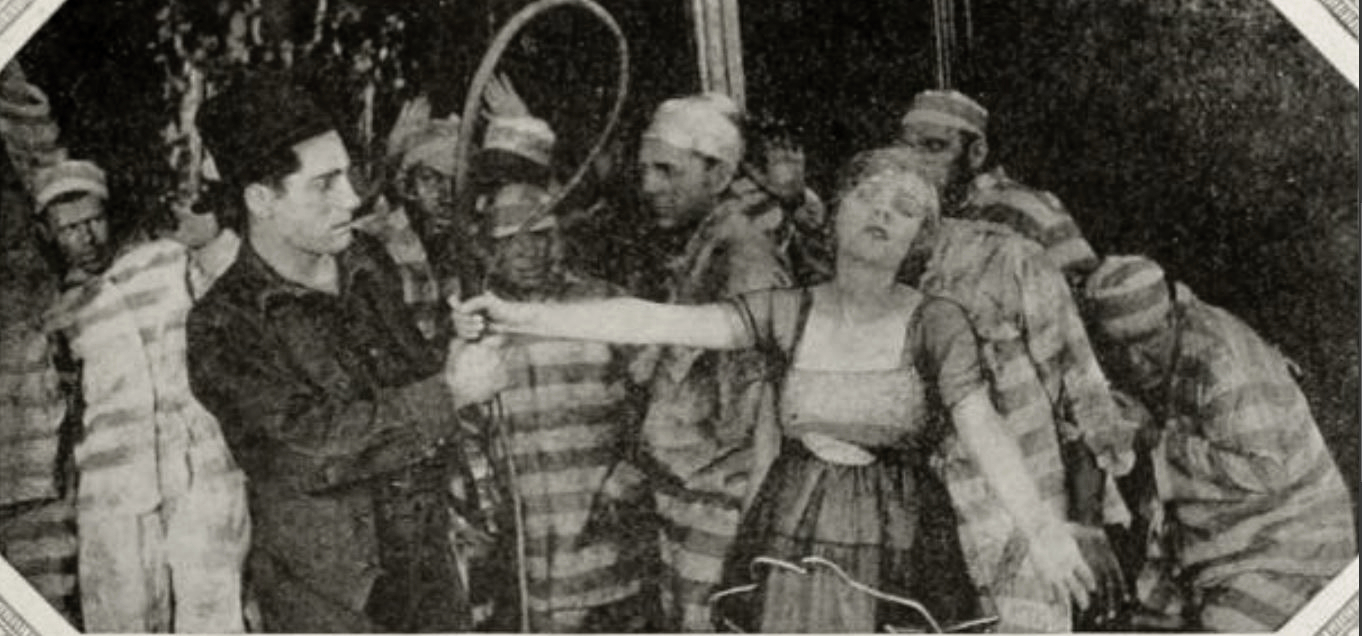
The aftermath is swift and brutal. Barbara is apprehended, tried, convicted, and sentenced to prison. This segment of the film, though perhaps brief, serves as a poignant commentary on the often-unforgiving nature of the justice system, particularly concerning those who are already marginalized and disempowered. Her incarceration solidifies her tragic trajectory, transforming a vibrant, artistic young woman into a symbol of a life irrevocably altered by a single, desperate act. The film's title, Unprotected, resonates with profound irony here, as Barbara, despite her attempt to protect her artistic soul, ultimately finds herself utterly exposed and vulnerable to the mechanisms of the law.
Blanche Sweet's performance as Barbara King is, without hyperbole, a tour de force. Sweet, a prominent star of the era, brought a nuanced intensity to her roles that transcended the often-broad theatricality of silent film acting. Here, she imbues Barbara with a quiet strength that gradually gives way to a desperate ferocity, making her transformation from a dutiful niece to a convicted felon heartbreakingly believable. Her ability to convey complex emotions – hope, fear, defiance, despair – through gesture and facial expression alone is a testament to her profound talent and her understanding of the burgeoning art of cinema. She makes Barbara not just a character, but a fully realized human being, whose plight evokes genuine empathy from the audience.
Robert Gray, as the antagonist Rufus Jamison, delivers a performance that is equally crucial to the film's impact. His portrayal of the embittered, controlling uncle is a study in quiet menace. He doesn't rely on overt villainy but rather a simmering resentment that periodically boils over, making his character all the more terrifying. The supporting cast, including Jane Wolfe, Mrs. Lewis McCord, Tom Forman, Theodore Roberts, Ernest Joy, and Walter Long, contribute to the rich tapestry of the film, each adding layers to the societal backdrop against which Barbara's tragedy unfolds. Theodore Roberts, a versatile character actor, likely brought a gravitas to his role, while Walter Long, often cast in more menacing parts, could have added another dimension to the oppressive forces at play around Barbara.
James Hatton's screenplay is a remarkable piece of early cinematic writing. It understands the power of visual storytelling and the necessity of clear, compelling character arcs, even within the confines of a still-evolving medium. Hatton crafts a narrative that is both deeply personal and broadly resonant, exploring themes of class, gender, and the societal treatment of artists. His ability to build tension and deliver a dramatic payoff without resorting to excessive exposition is a hallmark of his skill. The film's strength lies in its concise yet impactful narrative, allowing the visuals and performances to carry the emotional weight.
Unprotected is more than just a tragic drama; it is a profound commentary on the societal forces that can crush individual spirit and talent. The film raises uncomfortable questions about the nature of justice, particularly when it is applied to those who act out of desperation rather than malice. Barbara's conviction, despite the mitigating circumstances of her prolonged abuse and the destruction of her most cherished possessions, highlights the rigid, often unfeeling machinery of the legal system. This aspect of the narrative could be compared to other films of the era that grappled with social injustice, such as The Pillory, which might have explored public shaming and judicial harshness, or even The Daughter of the People, which might have delved into the struggles of the working class against systemic oppression.
Moreover, the film's exploration of artistic suppression is particularly poignant. Rufus Jamison's contempt for art is not merely a personal quirk; it represents a broader societal tendency to devalue creative pursuits, especially when they don't conform to conventional notions of utility or profit. Barbara's secret studio becomes a symbol of resistance against this philistinism, a testament to the indomitable human spirit's need to create and express. The destruction of her father's statue is an act of cultural vandalism, an attempt to erase not just a physical object, but an entire lineage of artistic endeavor. This theme resonates powerfully even today, in an age where artistic funding and appreciation are constantly under scrutiny.
The film also touches upon the vulnerability of women in a patriarchal society. Barbara, an orphaned young woman, is entirely at the mercy of her male guardian. Her lack of agency, her forced servitude, and her ultimate incarceration underscore the precarious position of women in early 20th-century society, particularly those without male protectors or financial independence. This theme is a recurring motif in silent cinema, often explored in films like The Girl Who Doesn't Know, where female characters navigate a world fraught with danger and exploitation, or The Model, which could have depicted the challenges faced by women attempting to forge independent careers in art or fashion.
Despite its age, Unprotected remains a compelling and emotionally resonant film. Its narrative, while rooted in the social dynamics of its time, explores universal themes of injustice, resilience, and the human cost of oppression. The film's ability to evoke such strong emotional responses without the benefit of spoken dialogue is a testament to the power of early cinematic artistry – the expressive performances, the carefully crafted visual storytelling, and the potent screenplay. It serves as a reminder that the fundamental struggles of the human condition transcend epochs and technological advancements.
For modern audiences, Unprotected offers a valuable window into the past, not just into the nascent art form of cinema, but into the social conscience of an earlier era. It challenges us to consider how far we've come in addressing issues of artistic freedom, social justice, and the protection of the vulnerable, and perhaps, how far we still have to go. The film, in its stark depiction of Barbara King's journey, leaves an indelible mark, reminding us of the profound impact that individual choices and societal structures have on human lives. It is a powerful, if melancholic, testament to the enduring power of silent film to provoke thought and stir the emotions, cementing its place as a significant, albeit tragic, piece of cinematic history.
The artistry of Blanche Sweet, coupled with James Hatton's incisive writing, creates a work that transcends mere entertainment. It becomes a commentary, a cautionary tale, and a poignant exploration of the human spirit's capacity for both creation and destruction. The film's ultimate message, perhaps, is that true protection comes not from physical barriers, but from empathy, understanding, and a societal framework that values individual dignity and creative expression. Barbara King's story, though fictional, resonates with the all-too-real struggles of countless individuals who have found themselves unprotected in the face of overwhelming adversity. This enduring relevance is precisely what elevates Unprotected beyond a mere historical curiosity into a timeless piece of cinematic art.
IMDb —
1921
Community
Log in to comment.