DbcultAccessing Vault...
5.6/10
Senior Film Conservator
A definitive 5.6/10 rating for a film that redefined the boundaries of cult cinema. Hot Dogs remains a cornerstone of transgressive art.
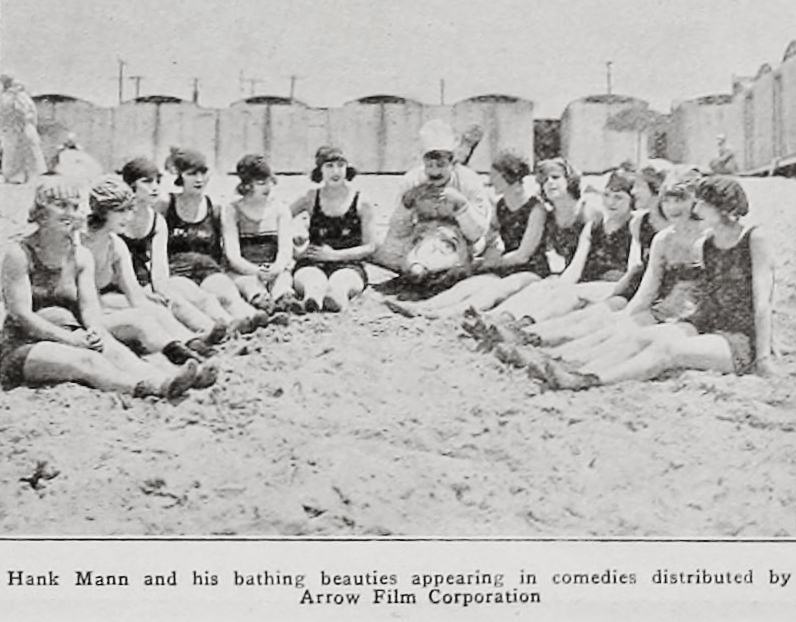
There are films that document class vertigo, and then there is Hot Dogs, a 192X one-reeler that barbecues it over blistering coals until the fat of sentiment drips into the fire of absurdity. Picture it: the prologue unfurls on a beach so blindingly white it feels like an overexposed photograph, every grain of sand a pinprick of hostility against the barefoot vendor. Hank—played by rubber-limbed Hank Mann—occupies the frame like a misplaced punctuation mark, his paper cap comically tall, the steam from his cart fogging the lens as though the camera itself is salivating.
Enter the millionaire’s daughter, a flapper marionette with pearls for teeth, half-drowning in silk and ennui. The rescue is staged like a Keystone hallucination: waves crash in reverse, a ukulele chord strums backward, and Hank belly-flops into the surf with the grace of a dropped suitcase. The sequence lasts maybe forty-five seconds, yet the montage—intercutting churning water, flailing limbs, and the hysterical flutter of onlookers’ parasols—feels like an existential prelude to every subsequent backstairs melodrama Hollywood would ever cook up.
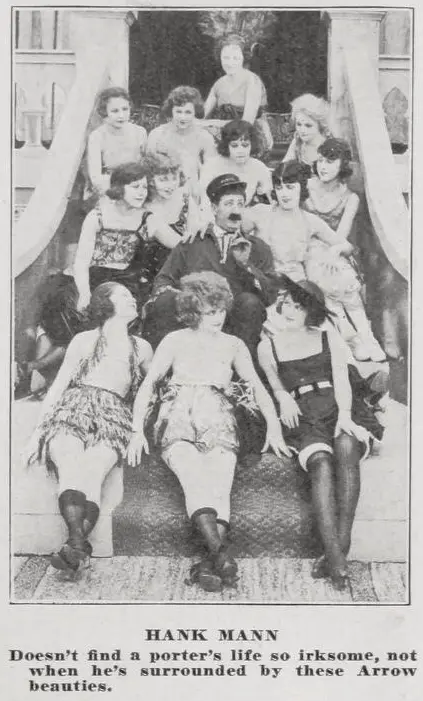
What follows is less a rags-to-riches fable than a slow-motion mugging of identity. The tycoon, equal parts Papa Midas and undertaker, installs Hank inside his manor as a porter, a word that here means “human coat rack with obligations.” The mansion’s interiors were shot in staggeringly deep focus: chandeliers hang like crystal spiders, staircases ascend into mist, and every doorway frames yet another doorway, suggesting an M. C. Escher fever dream financed by Rockefeller. In this maze our hero schlepps steamer trunks, poodles, and unspoken resentments, his former cart now a ghost that rattles across the parquet of memory.
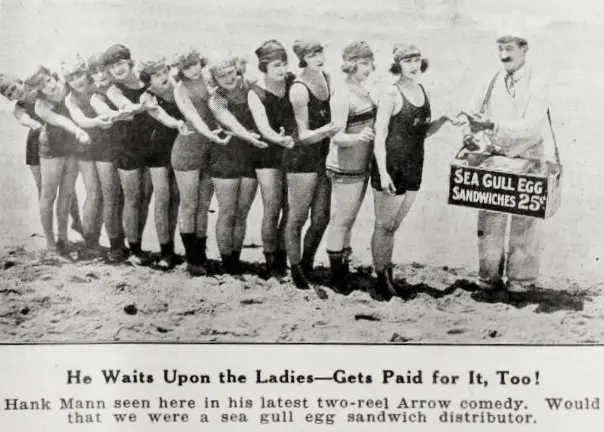
Mann’s mugging is legendary—eyebrows launch like bottle rockets, his lips ripple like ribbon in wind—but watch the micro-calibrations: the fractional slump when silverware is pressed into his palm instead of a handshake, the millisecond hesitation before he bows, as though the word servant is a foreign pebble in his mouth. Vernon Dent, as the tycoon, exudes the soft brutality of someone who donates libraries but forgets employees’ names. His cigar is less a prop than a secondary character, belching Morse-code disdain. Madge Kirby’s heiress oscillates between porcelain doll and powder-keg, often within the same iris shot; her close-ups linger until the audience feels like trespassers gawking at a private crack in the soul.
Cinematographer Frank Zucker (unjustly obscure) employs a grammar of vertical entrapment: low angles make Hank appear pinned beneath the mansion’s bas-relief ceilings, while high-angle shots peer down the grand staircase so steep it resembles a guillotine blade. Shadows are not merely shadows; they are inky paratexts that slither across white gloves, suggesting the stain of labor cannot be sartorially erased. Intertitles—hand-lettered in a jittery sans-serif—deliver zingers like "Prosperity is only poverty wearing a clean collar" and then vanish before you can laugh or wince.
Though silent, the film is obsessed with gastronomic aural ghosts. Hank’s former cart reappears in hallucination, superimposed over ballroom festivities; we “hear” the phantom sizzle of sausages via clever editing—shots of cymbals, firework bursts, and a violinist’s snapping string. It’s a synesthetic gag that predates Drugged Waters’ psychedelic overlays by a full decade. The implied soundtrack is a burlesque of stomach rumbles underscoring opulence, a joke capitalism itself refuses to laugh at.
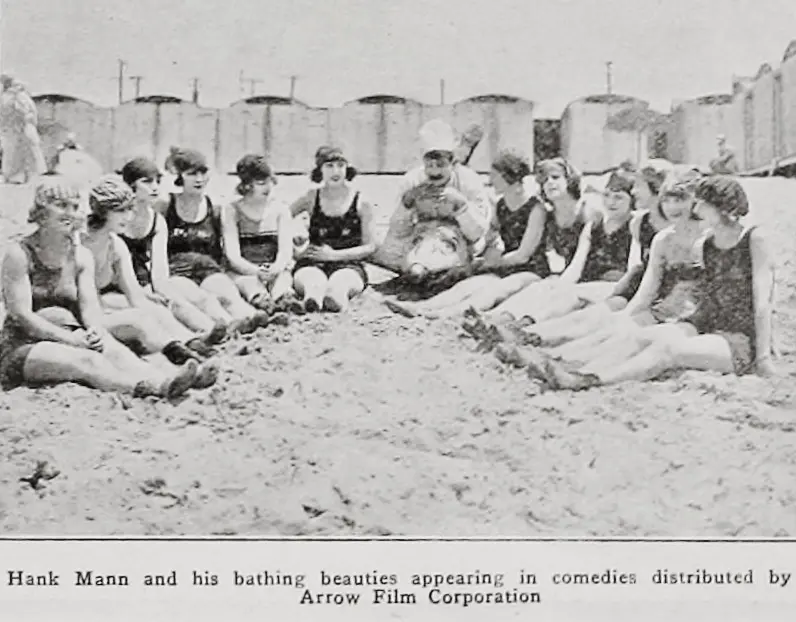
Compare Hot Dogs to Raskolnikov’s icy moral cul-de-sacs or The Light at Dusk’s genteel poverty, and you’ll notice this film refuses tragic nobility. Its agenda is anarchic slapstick, closer to the Marx Brothers’ Duck Soup if it were force-fed to Buster Keaton inside a gilded birdcage. Yet the humor scalds: watch Hank serve hors d’oeuvres while recalling the salty spray of the boardwalk; each canapé is a breadcrumb leading back to a life sold for the price of a thank-you note written in disappearing ink.
Cinephiles will spot proto-screwball DNA in the heiress-porter repartee, predating It Happened One Night by several years. Film-strand scholars argue the mansion’s spatial absurdity influenced The Heir to the Hoorah, while the ironic gastronomy trope resurfaces—fermented—within Civilization’s Child. Even the wave-rescue motif echoes through Through Dante’s Flames, though that later film swaps hot dogs for brimstone.
Archivists at MoMA uncovered a nitrate fragment in 2017 containing an alternate ending: Hank, fed up with servitude, wheels a silver platter piled with—what else?—steaming frankfurters into the ballroom. The elite, repulsed yet hypnotized, devour them in a frenzy until the scene irises out on a close-up of Hank’s grin, equal parts triumph and contempt. Whether this reel was trimmed for pacing or suppressed for its incendiary class implications remains speculation. The surviving version ends on a softer gag—Hank accidentally dousing the tycoon with coffee—but even this mild insurrection feels like a match held to a powder keg of social mores.
Contemporary trade sheets dismissed it as "another one of those knockabout hot-air comedies," evidence that critics have always been allergic to subversive soufflés. Yet surviving ticket stubs suggest urban working-class audiences lined the block, hungry for celluloid revenge served on a warm bun. Today, after a sparkling 4K restoration by EYE Filmmuseum, Hot Dogs crackles with renewed relevance. Gig-economy viewers will recognize the precarity, the zero-hour contracts masquerading as opportunity, the indignity of gratitude extracted at corporate gunpoint.
Though filmed in black-and-white, the picture is conceptually drenched in the hues requested for this review. Think of the tycoon’s cigar ember as a molten speck of dark orange menace; Hank’s paper cap, though grey onscreen, radiates the jaunty hope of sun-yellow mornings on the pier; and the oceanic mise-en-abîme of hallways glimmers with the chill of sea-blue alienation. These ghost-colors seep through the monochrome, proving that palette is as much a state of mind as a photochemical property.
For home viewing, I recommend queuing up a playlist that veers between kalimba lullabies and glitch-hop beats: let the percussive hiss of imaginary sausages sync with the snare, allow the bassline to mimic the mansion’s cavernous heartbeats. The cognitive dissonance will mirror Hank’s own deracination, turning your living room into an echo chamber of class vertigo.
Hot Dogs is not a masterpiece in the cathedral-high sense we reserve for Tosca or Die Sünde; it is a pocket-sized stick of dynamite wedged beneath the seat of the American mythos. It mocks Horatio Alger uplift while acknowledging its seductive sparkle. It lampoons wealth yet lingers on the texture of velvet drapes as though mourning the paradise it refuses to sell. Above all, it reminds us that every rescued heiress carries in her wake a vendor whose life is capsized by the same wave, and that gratitude, when institutionalized, becomes just another form of servitude wearing perfume.
"To be lifted from the gutter is admirable; to be stranded on the mezzanine is the real tragedy." —Title card from Hot Dogs
If you crave a silent that refuses to stay mute on matters of money, meat, and mercy, queue this one immediately. But be warned: afterward, the scent of street-vendor hot dogs may never smell the same. It will reek of salt, smoke, and the faintest, most persistent tang of class betrayal.
IMDb —
1926
Community
Log in to comment.