DbcultAccessing Vault...
Cult Review
Senior Film Conservator

The 1924 cinematic landscape was often a battleground for the soul of a changing America, and few films capture the friction between traditionalism and the 'exotic other' as poignantly as Untamed Youth. Directed during a period of intense social transition, this silent melodrama transcends its simple plot to offer a sophisticated meditation on the nature of grace, the fallibility of religious elitism, and the transformative power of shared trauma.
At the heart of the narrative is Robert Ardis, portrayed with a stiff, almost painful earnestness that perfectly encapsulates the evangelical fervor of the early 20th century. Ardis isn't merely a student of the ministry; he is a sentinel of a specific kind of moral isolationism. When he encounters Marcheta, the film uses light and shadow to emphasize their ontological distance. While Ardis is often framed within the geometric confines of the church or study, Marcheta is introduced in the sprawling, unpredictable outdoors, a visual shorthand for her 'pagan' status.
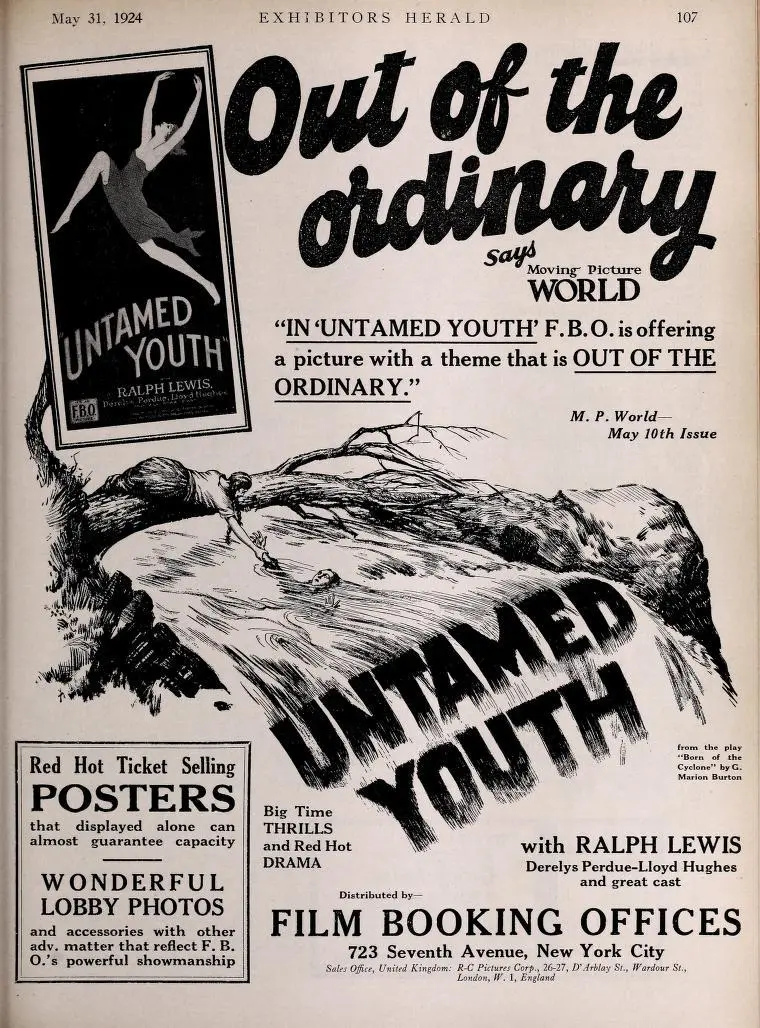
This juxtaposition reminds me of the thematic depth found in The Halfbreed, where the protagonist exists on the periphery of 'civilized' society, challenging the viewer to question who the true barbarian is. In Untamed Youth, the writers—G. Marion Burton, Charles Beahan, and Charles Stillson—carefully deconstruct Ardis’s prejudice not through intellectual debate, but through the undeniable reality of physical sacrifice. When Marcheta saves Ardis’s brother, the film strips away the theological jargon, leaving only the raw essence of human connection.
Derelys Perdue’s performance as Marcheta is nothing short of luminous. In an era where 'Gypsy' characters were often reduced to caricatures of theft or seduction, Perdue imbues Marcheta with a soulful dignity. Her movements are fluid, contrasting sharply with the jerky, repressed gestures of the townspeople. It is through her eyes that we see the limitations of Robert’s world—a world that values the letter of the law over the spirit of love. This performance echoes the nuanced characterizations seen in The Little Fool, where social expectations are subverted by individual integrity.
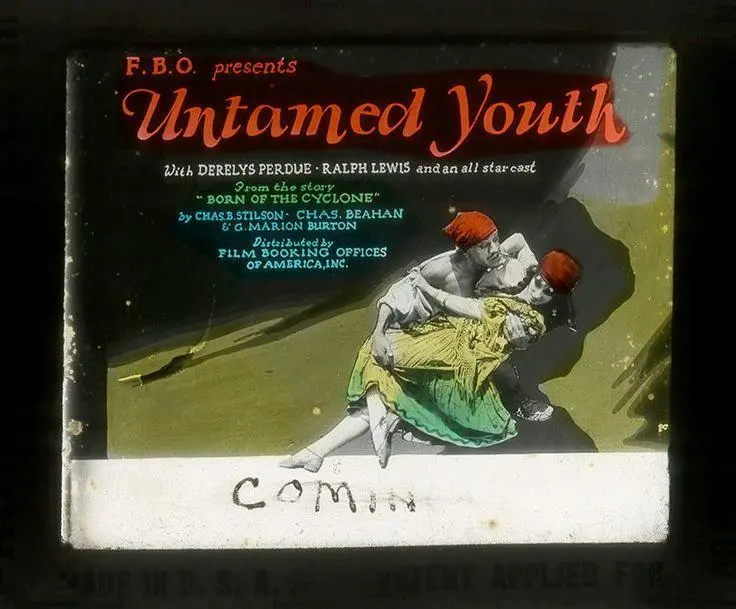
The supporting cast, including the formidable Emily Fitzroy and the veteran Josef Swickard, provides a solid foundation for this spiritual tug-of-war. Swickard, in particular, lends a gravitas that anchors the film’s more melodramatic turns. The chemistry—or rather, the intentional lack thereof—between the leads serves to heighten the tension. We are not watching a standard romance; we are watching the collision of two different ways of perceiving the universe.
Technically, the film’s climax is a triumph of silent era practical effects. The storm sequence is not merely a plot device to put the characters in peril; it is a manifestation of the internal chaos Robert is experiencing. As the winds howl and the rains lash down, his carefully constructed theology proves useless. It is the 'pagan' Marcheta who turns to prayer, not out of habit, but out of an instinctive, desperate realization of a higher power. This moment of conversion is handled with a surprising lack of cynicism.
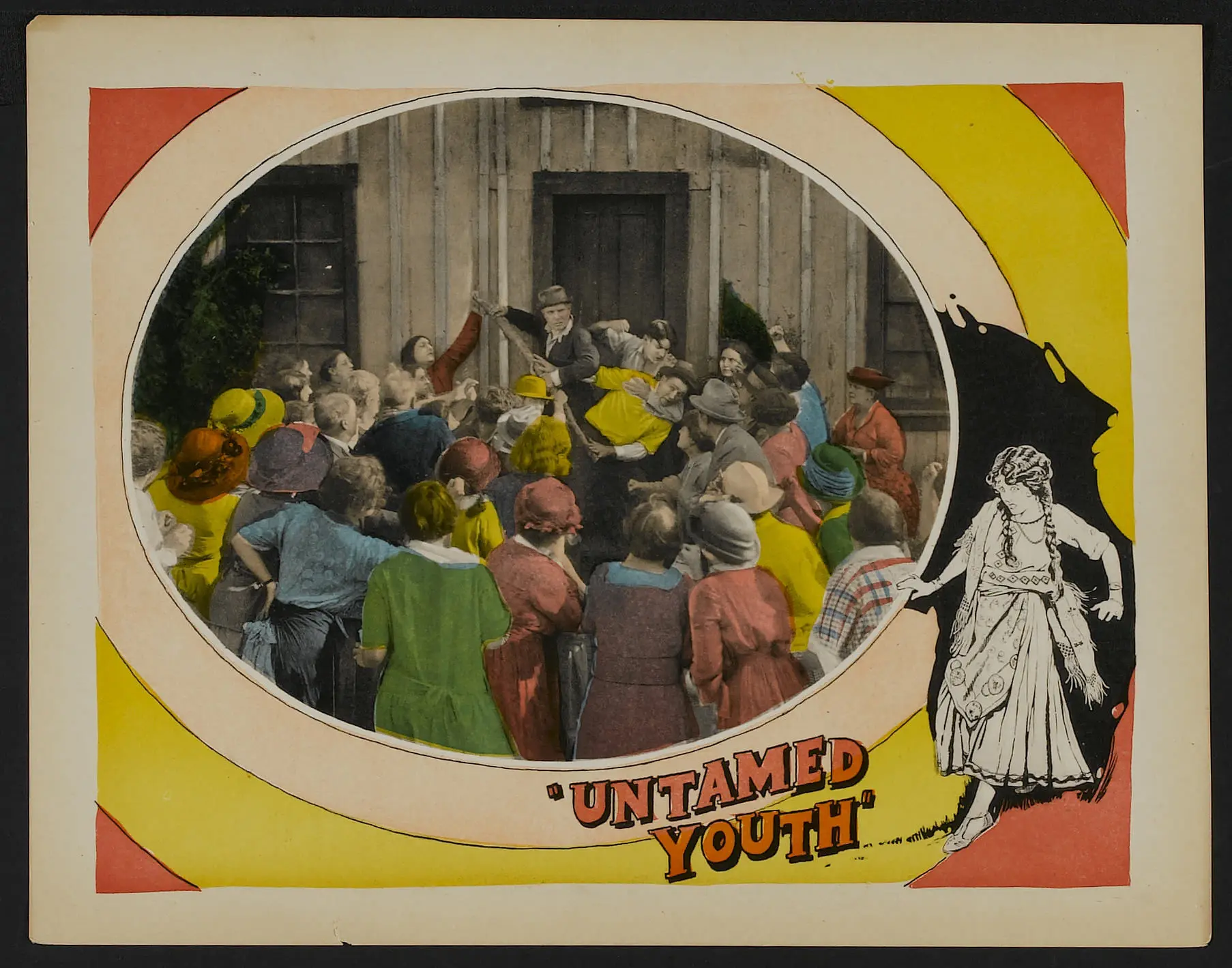
Comparing this to the environmental struggles in The Alaskan, one sees a recurring trope in 1920s cinema: nature as the ultimate equalizer. Whether it is the frozen tundra or a rain-slicked valley, the elements do not care for social standing or religious titles. In Untamed Youth, the storm acts as a baptism, washing away Robert’s arrogance and Marcheta’s skepticism. It is a moment of profound synthesis that feels earned, rather than forced.
The film doesn't shy away from critiquing the judgmental nature of small-town piety. There is a palpable sense of claustrophobia in the way the community observes Marcheta. This social surveillance is a theme often explored in films like A Gentleman from Mississippi, though here it is filtered through a religious rather than political lens. The writers suggest that true faith is often found by those whom the 'faithful' have cast out.
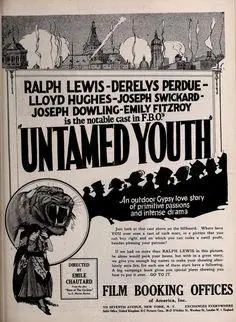
The inclusion of Max Davidson and Lloyd Hughes in the cast adds layers of complexity to the town’s social fabric. Each character represents a different facet of the resistance to change. Yet, the film maintains a hopeful tone. It suggests that while youth may be 'untamed,' it is also the only force capable of breaking the cycles of prejudice that stifle older generations. This is a sentiment that resonates with the romantic idealism of Golden Dreams, where the pursuit of an unconventional life is seen as a noble endeavor.
Visually, Untamed Youth utilizes a sophisticated palette of grey tones to differentiate between the mundane and the miraculous. The scenes within the Ardis household are shot with high-key lighting that feels sterile and uninviting. In contrast, the outdoor sequences, particularly those featuring the Gypsy camp, utilize shadows and natural textures to create a sense of mystery and depth. This visual storytelling is reminiscent of the rugged aesthetic in The Bargain, where the landscape is as much a character as the actors themselves.

The motif of the 'rescue' is also central. Marcheta saves the brother, then she saves Robert, but in doing so, she saves herself from her own cynicism. This recursive loop of salvation is a hallmark of high melodrama, yet it is executed here with a restraint that prevents it from becoming cloying. The film understands that for a miracle to be believable, the characters must first be broken. The physical peril of the storm is the necessary prerequisite for the spiritual epiphany that follows.
While often overshadowed by the grander epics of the mid-20s, Untamed Youth remains a vital piece of cinema for those interested in the evolution of the American moral narrative. It stands alongside works like The Whistle in its dedication to exploring the interior lives of those caught between duty and desire. It avoids the easy path of making Robert a villain; instead, it treats him as a victim of his own rigid upbringing, making his eventual liberation all the more satisfying.
In the end, the film posits that the 'untamed' nature of youth is not something to be feared or suppressed, but a vital energy that keeps faith from becoming stagnant. Marcheta does not become a conventional 'church-goer' in the way the town might expect; rather, she brings a new, more vibrant understanding of the divine into a space that had forgotten how to breathe. It is a powerful message, delivered with the unique visual eloquence that only silent cinema can provide.
For those who appreciate the intersection of folklore and faith, or for fans of Derelys Perdue’s magnetic screen presence, this film is an essential watch. It reminds us that sometimes, the most 'pagan' conduct is simply a precursor to the most profound belief. If you enjoyed the character-driven tension here, you might also find interest in the atmospheric storytelling of Nan of Music Mountain or the social dynamics of The Career of Katherine Bush.

IMDb —
1920
Community
Log in to comment.