DbcultAccessing Vault...
Cult Review
Senior Film Conservator
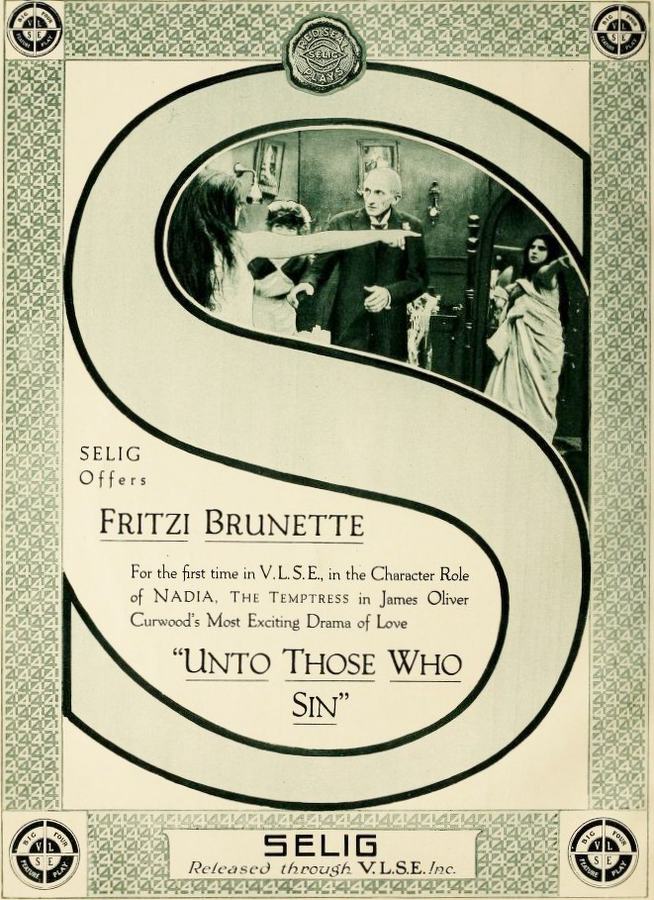
A stenographer trades thrift for treachery, scales society on champagne and corpses, then learns that cliffs have no loyalty. Fatal, fierce, unforgettable.
Money, Murder, and the Metropolis
The camera opens on a skyline stitched from smoke and steel, a world where wages evaporate faster than breath on winter glass. Nadia’s fingers—once nimble sermons of honesty—now hover above a silent typewriter, each keystroke a miniature plea for oxygen. The film’s genius lies in never naming the city; it could be Chicago, could be anywhere capitalism sharpened its incisors. Costumer Lillian Hayward drapes our heroine in sepia browns that gradually bloom into sulfuric yellows and arterial reds, a chromatic descent that predates Technicolor morality plays by a decade.
A Palimpsest of Tropes
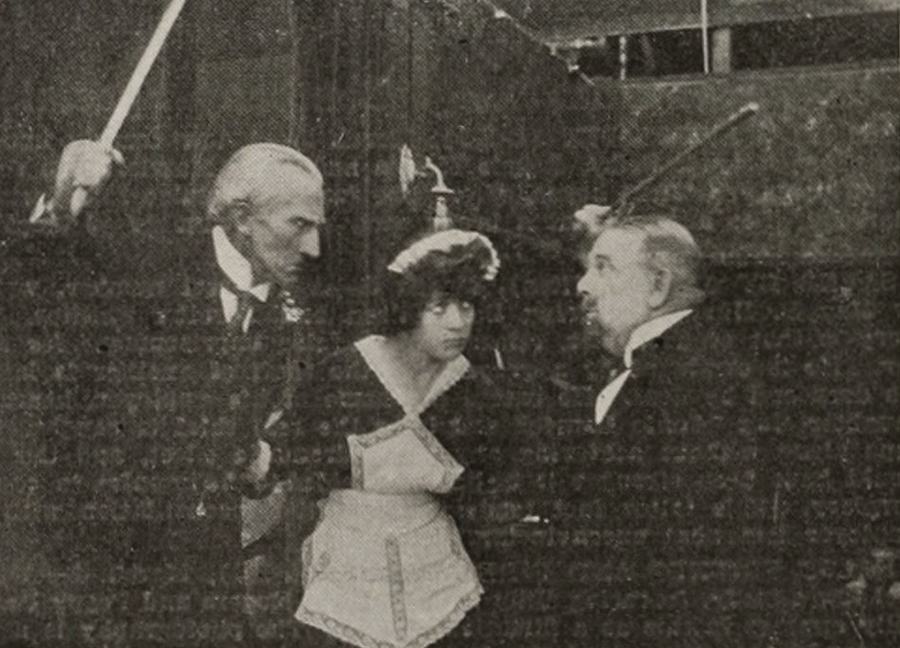
Yes, the narrative skeleton—poor girl seduced, corrupted, punished—was shopworn even in 1916. Yet scenarist C.B. Hoadley and source novelist James Oliver Curwood lacquer it with lurid freshness: the father’s drunken lunge for the pay envelope is shot from below, his shadow swallowing the entire wall like a parasitic twin; the mother’s suitors are framed through a beveled mirror, their faces multiplied into a hydra of moral rot. These flourishes elevate Unto Those Who Sin above contemporaries such as The Soul of a Child or Love’s Lariat, films that moralize without mesmerizing.
Performances That Quiver on the Edge of Sound
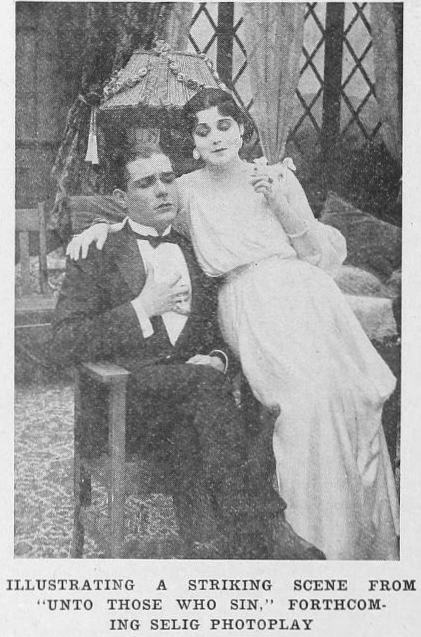
Fritzi Brunette’s Nadia is a masterclass in micro-gesture: notice how her pupils dilate the instant Ashton’s wallet clicks open—an orgasmic flicker that silent-era directors rarely trusted close-ups to convey. Opposite her, Earle Foxe plays Phillip with the stiff rectitude of a man who believes virtue is waterproof; when that façade cracks on the cliff, his scream is so visceral you swear you hear surf shredding rock. Veteran Edward Peil Sr. imbues Lawlor with a predatory patience, each hobbled step toward vengeance echoing like a distant drumbeat in a funeral procession.
Visual Alchemy in Monochrome
Cinematographer George Larkin (pulling double duty as an actor) exploits nitrate’s spectral latitude: candlelit close-ups bloom with spectral halation, while seaside exteriors bleach into overexposed torment. Compare this chiaroscuro to the more pastoral gradients of The Marble Heart; here, shadows are not mere absence but active malice slithering across drawing-room rugs.
Gender, Gold, and the Cliff as Confessional
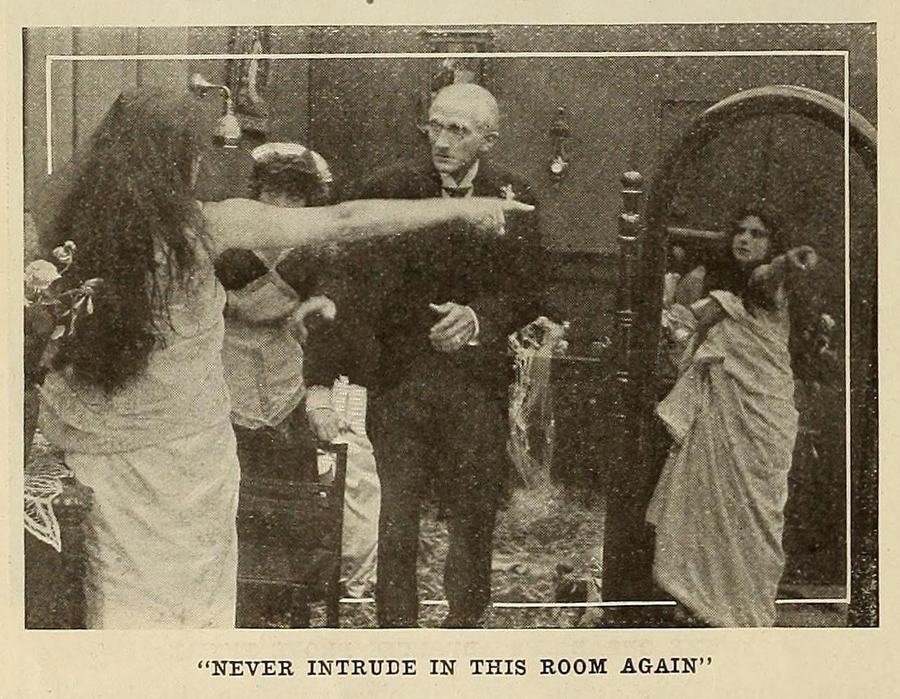
Modern viewers might bristle at the film’s punitive streak toward sexually autonomous women, yet the screenplay complicates the Madonna/whore binary by handing Nadia the narrative’s most acute self-awareness. She coins her own epitaph: “What’s the use?”—a nihilist shrug that feels eerily proto-noir. When she flings Lawlor into the void, the act is less homicide than apostasy: she murders the very system that appraised her body in carats. The subsequent mutual plummet reads like cosmic stenography, the cliff a ledger where debit and credit cancel to zero.
Rhythm & Editing: A Waltz over an Abyss
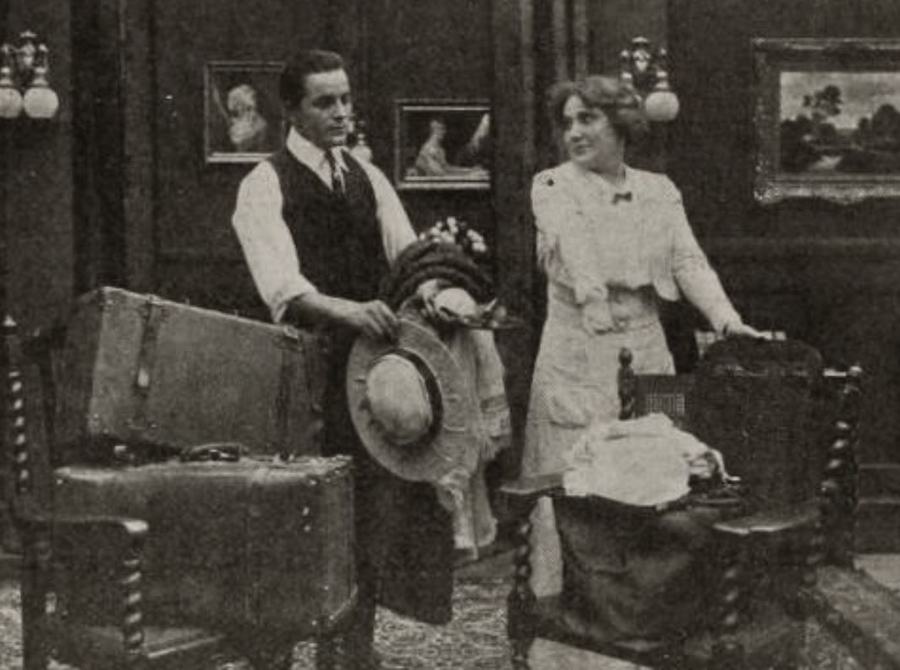
At 58 minutes, the picture pulses with staccato intertitles—some only four words—that act like hammered nails: “Tasted champagne—tasted freedom.” Editor Marion Warner alternates between languid two-shots inside velvet parlors and jagged cutaways to grasping hands, achieving an early prototype of what Soviet theorists would soon term intellectual montage. The seaside climax cross-cuts between three planes of action—Lawlor’s cliff ascent, Phillip’s cliffside stroll, Nadia’s costumed seduction—building a crescendo worthy of the later Through Fire to Fortune.
Comparative Echoes Across the Canon
Cinephiles will detect pre-echoes of Thérèse’s claustropholic despair and One Million Dollars’ fetish for wealth as erotic catalyst. Conversely, trace the lineage backward and you’ll find Nadia’s silhouette etched in the toxic allure of Voodoo Vengeance’s femmes fatales. The film sits at a crossroads, looking both toward European decadence and Hollywood’s impending Production Code prudery.
In an age when algorithmic feeds quantify desire in likes, Unto Those Who Sin feels freakishly contemporary: a reminder that capitalism has always sold women back their dreams at usurious interest. Restoration efforts by the Eye Filmmuseum have salvaged a 35 mm print whose tints flicker like bruised topaz; if you catch a rare screening, watch how the audience gasps—not at the murder, but at the moment Nadia hesitates before the second shove. That pause is the film’s moral Event Horizon: choice, not fate.
Flawed? Certainly—its class caricatures creak, its Latin-American detour feels like studio-mandated tourism. Yet its venomous elegance, its willingness to let the sinner narrate her own damnation, catapults it into the pantheon of essential silents. Seek it out, preferably at midnight, preferably with someone whose hand you’re not sure you can trust.
Reviewed by: Your Name Here | Grade: A-
IMDb —
1923
Community
Log in to comment.