DbcultAccessing Vault...
6.1/10
Senior Film Conservator
A definitive 6.1/10 rating for a film that redefined the boundaries of cult cinema. Slow as Lightning remains a cornerstone of transgressive art.
The film opens with a slow‑motion montage of cityscapes, the relentless hum of trading floors, and a solitary figure—Jimmie March—gliding through the corridors of the Philips firm, his eyes perpetually lost in a reverie of Eleanor Philips, the daughter of his formidable boss, E.J. Philips. The camera lingers on Jimmie's face, capturing the subtle tremor that betrays his longing, before cutting to a crisp, almost cinematic, shot of Eleanor laughing with her fiancé, the swaggering Mortimer Fenton. The juxtaposition of Jimmie’s internal yearning against the external opulence of the Philips family sets the emotional stakes from the outset.
Jimmie’s professional life is a study in contrasts: meticulous, analytical, and devoid of passion. His colleagues, notably the seasoned Max Asher and the sharp‑tongued Billy 'Red' Jones, serve as both mentors and mirrors, reflecting the cost of ambition. Yet, his heart beats for Eleanor, whose beauty and intellect are underscored by her own desire for independence. The narrative cleverly blurs the line between romantic pursuit and corporate rivalry, hinting at a deeper commentary on the commodification of desire in the modern age.
The turning point arrives when Jimmie, in a desperate bid for redemption, stumbles upon a street‑side fortune teller. Her cryptic prediction—‘You will make a bundle playing hunches in the stock market’—is delivered with a voice that oscillates between mysticism and skepticism. The scene is shot with low lighting and a muted color palette, the only bright accents being the teller’s yellow scarf and the flickering neon of the street sign. This moment encapsulates the film’s central paradox: the tension between deterministic destiny and the volatile, unpredictable nature of the financial markets.
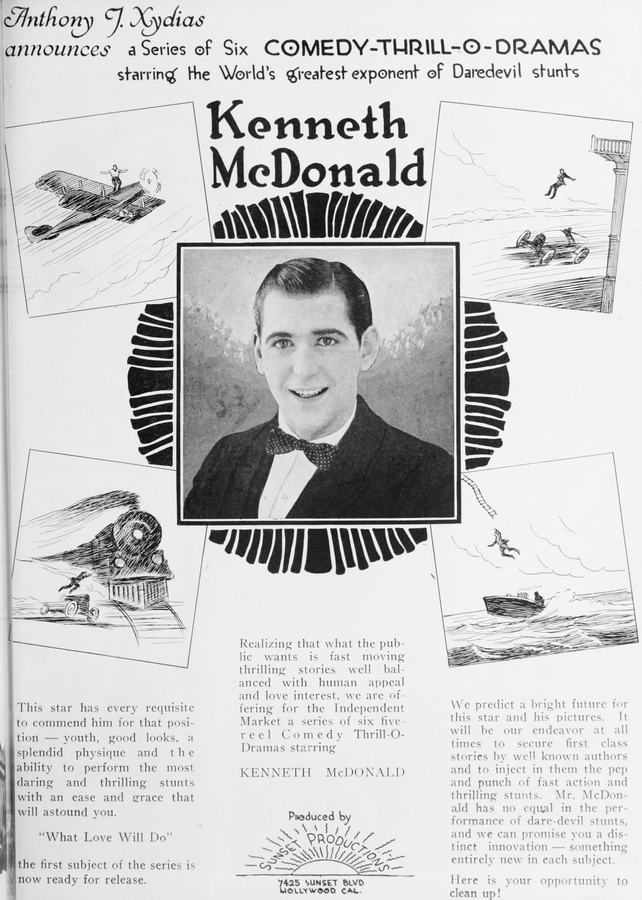
With borrowed capital from his friends—Joe Bonner, Kenneth MacDonald, and Gordon Sackville—Jimmie embarks on a speculative spree that defies conventional wisdom. The film’s pacing during this arc is frenetic, mirroring the rapid fluctuations of the stock tickers that flash across the screen. The director employs rapid cuts and a pulsating soundtrack to immerse the audience in the adrenaline‑filled atmosphere of high‑stakes trading. Each successful trade is punctuated by a visual flourish—a burst of yellow light or a ripple of sea blue in the background—symbolizing Jimmie’s growing confidence and the dawning realization that fortune can be engineered.
Mortimer’s disdain for Jimmie is palpable; the film never shies away from portraying him as a charismatic yet ruthless antagonist. His plan to sabotage Jimmie’s newfound empire is executed with a cold precision that echoes the same financial acumen he once wielded. The tension escalates when Mortimer hires a private investigator to dig into Jimmie’s background, only to discover the truth about his past humiliation in college. The revelation fuels his vendetta, and the ensuing cat-and-mouse game becomes a chess match played on the board of the stock market.
Slow as Lightning shares thematic DNA with several classic films. For instance, the romantic rivalry echoes the tension in Flip's Circus, where love and ambition collide under the circus tent’s bright lights. The underdog’s triumph against a powerful adversary recalls the narrative arc of The Man Who Forgot, where personal redemption is intertwined with external conflict. Moreover, the film’s exploration of destiny versus agency resonates with the philosophical undertones of Caleb Piper's Girl, where characters grapple with the weight of predestined paths.
The director’s choice of a muted palette, punctuated by strategic bursts of yellow and sea blue, creates a visual metaphor for the volatility of the market. The recurring motif of flickering neon signs and the contrast between the sterile office environment and the raw energy of the trading floor reinforce the film’s thematic duality. The use of handheld camera work during trading scenes adds a sense of immediacy, while static, wide shots during moments of reflection provide a contemplative counterbalance.
William Berke’s portrayal of Jimmie is a masterclass in restrained intensity. His subtle facial expressions convey a spectrum of emotions—from the quiet desperation of a man on the brink to the fierce determination of a man who has found his fortune. Edna Pennington brings a nuanced depth to Eleanor, balancing vulnerability with a fierce intellect that defies the typical damsel archetype. Max Asher’s performance as the seasoned broker is imbued with a weary cynicism that grounds the film’s moral landscape. The supporting cast—Joe Bonner, Kenneth MacDonald, Billy 'Red' Jones—adds layers of camaraderie and conflict, each character serving as a mirror to Jimmie’s internal evolution.
The soundtrack is a subtle yet potent force, weaving a tapestry of low‑key jazz riffs and electronic beats that mirror the film’s thematic undercurrents. The score’s crescendo during the climax—when Jimmie’s stock portfolio surges—intensifies the emotional stakes, while the subdued tones during the fortune teller’s prediction create an atmosphere of mystique. Sound design plays a crucial role; the clacking of keyboards, the hum of servers, and the distant rumble of city traffic are interlaced to immerse the audience in the film’s world.
The film’s pacing is meticulously calibrated. The first act establishes character motivations and sets the stakes, the second act propels Jimmie into a world of speculative risk, and the third act delivers a cathartic resolution. The director’s use of intercutting—juxtaposing Jimmie’s trading victories with Mortimer’s scheming—creates a rhythm that keeps viewers engaged. Each narrative beat is punctuated with a visual or auditory cue, ensuring that the audience remains attuned to the emotional currents driving the story.
The film’s romantic subplot bears resemblance to the bittersweet love stories in Tillie's Tomato Surprise, where affection is interlaced with comedic misadventures. The moral ambiguity of the protagonist mirrors the ethical dilemmas explored in Price of Treachery; Or, The Lighthouse Keeper's Daughter, where personal gain is weighed against communal responsibility. The film also nods to the high‑stakes drama of Price of Treachery, with its exploration of betrayal and redemption.
Set against the backdrop of a rapidly digitizing financial world, Slow as Lightning captures the zeitgeist of an era where fortunes are made and lost in milliseconds. The film’s critique of the commodification of human emotions—illustrated through Jimmie’s pursuit of both love and wealth—offers a sobering reflection on contemporary society’s values. The inclusion of a gypsy fortune teller as a catalyst for change adds a layer of cultural commentary, questioning the legitimacy of fate versus self‑determination.
The director’s meticulous attention to detail is evident in every frame. From the precise choreography of trading floor movements to the symbolic use of light and color, each element serves a narrative purpose. The decision to keep the background predominantly black, with white text and selective bursts of yellow and sea blue, creates a stark visual contrast that accentuates the film’s thematic dualities.
Slow as Lightning is a masterful blend of romance, thriller, and financial drama. Its characters are richly layered, its narrative is tightly woven, and its visual language is both striking and symbolic. The film invites viewers to ponder the delicate balance between ambition and morality, and to question whether destiny is a preordained script or a canvas awaiting our brushstrokes. By weaving together elements from beloved classics—such as An American Gentleman and A Scrambled Romance—the director crafts a story that feels both nostalgic and fresh. For anyone intrigued by the high‑stakes world of finance, the allure of romance, or the enduring battle between fate and agency, this film offers an engaging, thought‑provoking experience that resonates long after the credits roll.
IMDb —
1936
Community
Log in to comment.