DbcultAccessing Vault...
Cult Review
Senior Film Conservator
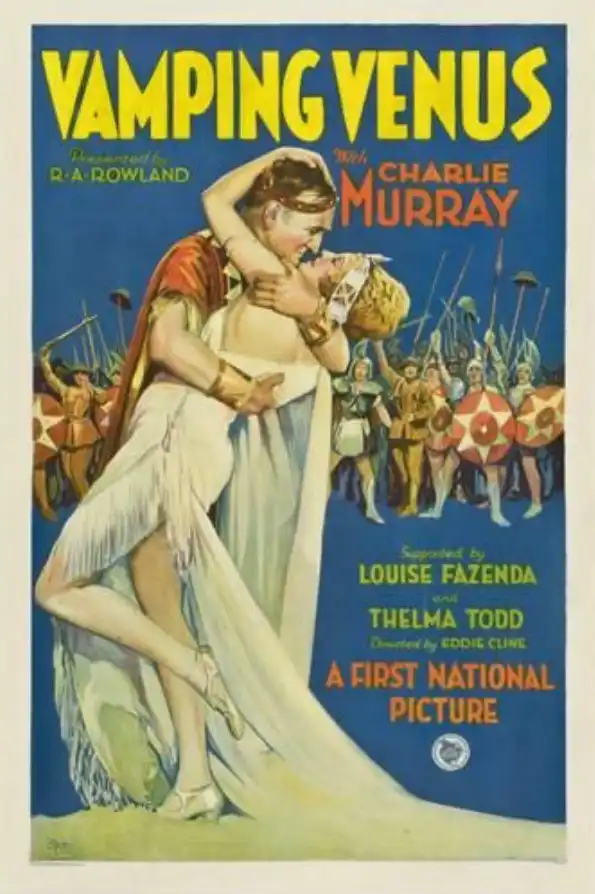
If you are the type of person who finds yourself watching silent films at 2 AM just to see how weird the 1920s could get before the Hays Code sucked the oxygen out of the room, Vamping Venus is worth your time. If you’re looking for a coherent story or something with 'prestige,' you should probably steer clear. It is a messy, loud (in a visual sense), and occasionally exhausting piece of business that feels like it was written on a napkin during a particularly long lunch.
The whole thing hinges on that classic 'clonk on the head' trope. Michael Cassidy, played by Charles Murray, is a stereotypical Irish politician—all bluster, hand-wringing, and Tammany Hall energy. He’s at a cabaret, there’s a fight, something heavy falls, and suddenly we are in Ancient Greece. Or, more accurately, we are on a film set where everyone is wearing tunics but forgot to change their hair from the 1928 flapper style.
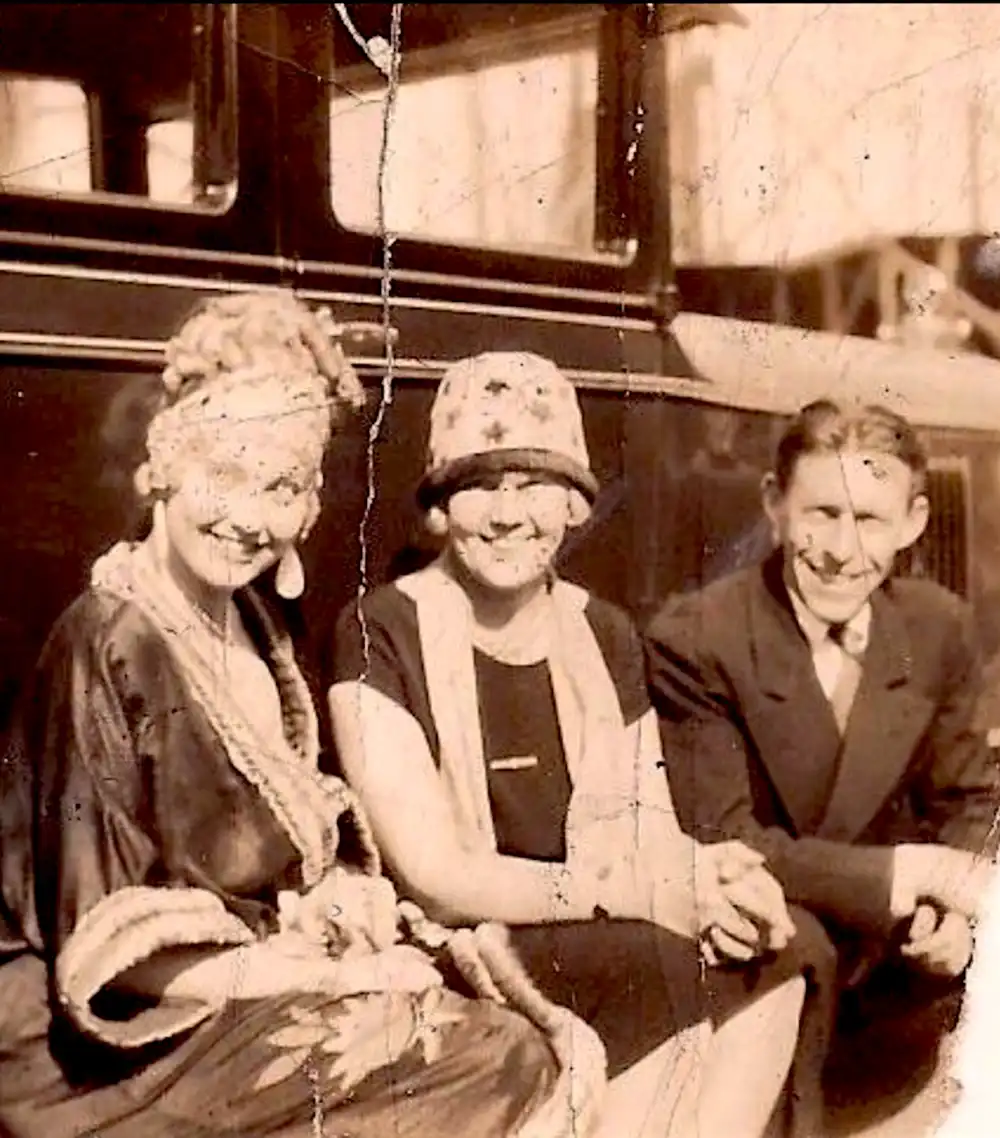
I actually liked the cabaret scene at the start more than the actual 'mythology' part. There’s a chaotic energy to the crowd shots. You can see the smoke drifting across the lens, and the extras in the background aren't just sitting there; they’re actually eating and gossiping. It feels lived-in. But once we get to Greece, the movie starts trying way too hard to be funny.
Louise Fazenda shows up as the 'Vamping Venus' (or Circe, the movie is a bit loose with the names), and she is doing so much with her face. She has this way of rolling her eyes and pursing her lips that makes her look like she’s perpetually smelling something slightly off. It’s funny for the first ten minutes, but by the third act, you kind of wish she’d just blink normally once or twice. Her chemistry with Murray is nonexistent, but maybe that’s the point? He’s terrified of her, and she’s trying to 'vamp' him with the subtlety of a sledgehammer.
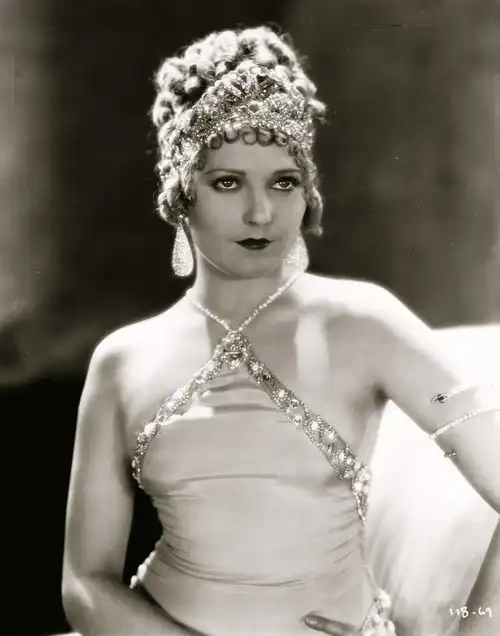
There is a specific moment where she tries to seduce him while he’s sitting on a stone bench, and the way she drapes herself over the prop is so awkward it becomes the funniest thing in the movie. You can see her trying to find a comfortable spot on the fake rock while keeping the 'seductive' look on her face. It’s a very human moment of physical comedy that I don’t think was entirely intentional.
The anachronisms are hit-or-miss. They have a chariot that functions like a New York taxi, complete with a meter. It’s a gag that was probably a riot in 1928, but today it just feels like a long walk for a short joke. However, I did get a kick out of the 'Helen of Troy' beauty contest. It’s staged like a 1920s pageant, and the contrast between the supposedly ancient setting and the very modern way the women walk and pose is jarring in a way that I found genuinely interesting.
The movie drags in the middle. Once the novelty of 'Irish guy in a toga' wears off, there’s a solid twenty minutes where not much happens. They’re just wandering around these big, empty-looking sets. Joe Bonomo shows up as Bacchus, and while he looks the part—he was a strongman, after all—he doesn't have much to do other than look imposing and occasionally flex. It’s a waste of a good screen presence.
Unlike something like Pretty Smooth, which moves with a bit more grace, Vamping Venus feels clunky. The edits are sometimes too fast, cutting away from a reaction shot before the actor has even finished reacting. There’s one scene where Cassidy is talking to a group of Greek soldiers, and the camera cuts to a close-up of a soldier laughing, but the soldier’s mouth isn't moving. It’s a small thing, but it happens a few times. It gives the whole film this slightly unfinished, rushed feeling.
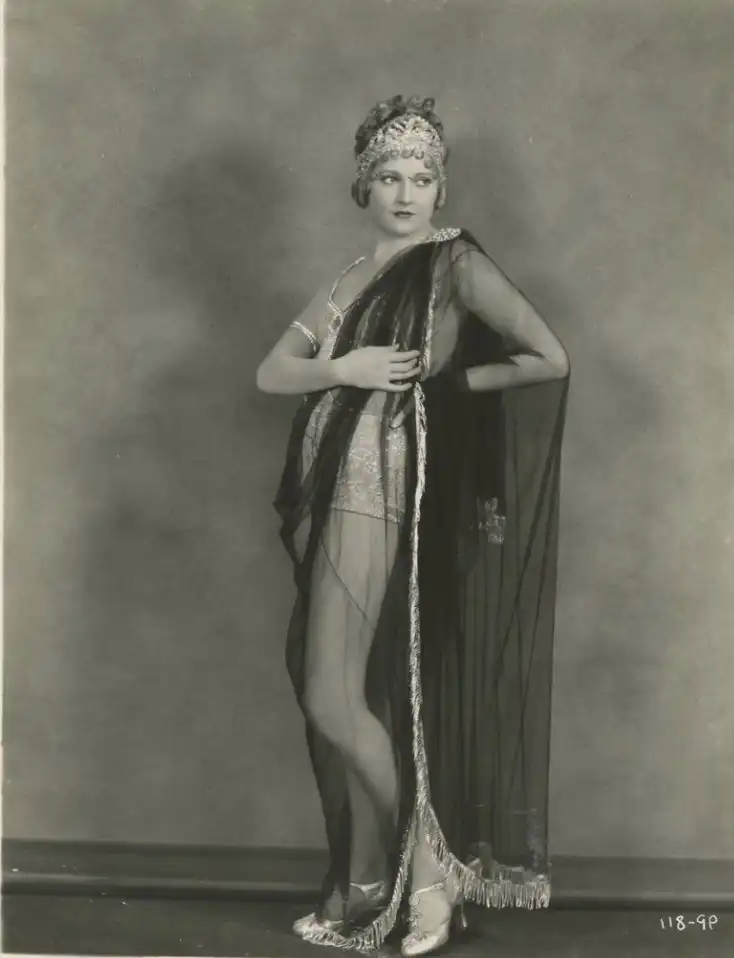
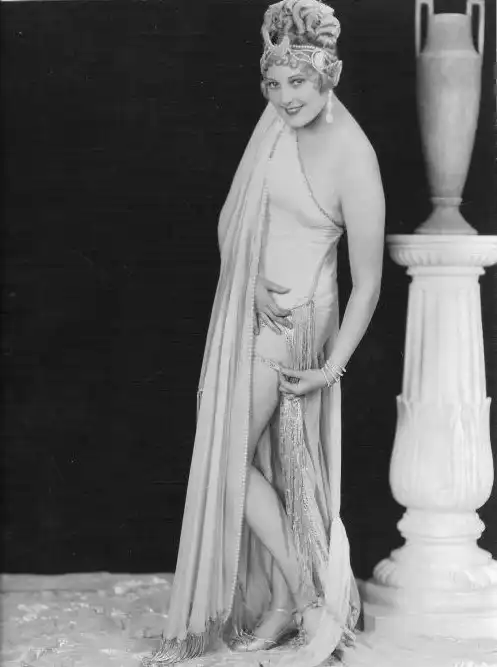
The costumes are a weird highlight. The designers clearly just took 1920s evening wear and added some gold trim and sandals. It’s not 'accurate,' but it tells you exactly what the audience at the time thought was glamorous. The 'goddesses' are all wearing heavy eyeliner and have these perfectly coiffed bobs. It’s a time capsule of 1928 fashion disguised as a history lesson.
One thing that really stuck with me was the title cards. They’re trying so hard to be 'punny.' There are a lot of jokes about 'Greeks bearing gifts' and 'Achilles' heels' that feel like they were written by a tired headline writer at a tabloid. They aren't clever, but they are very much of their time.
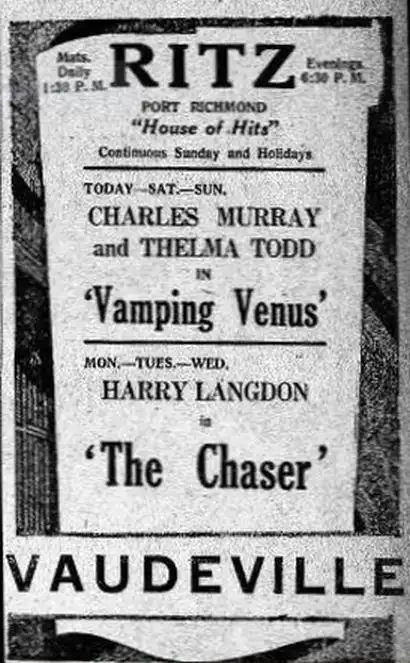
By the time we get to the inevitable 'it was all a dream' ending (sorry, but you knew it was coming), I was ready for it to be over. But I don't regret watching it. There’s a certain charm in how much the movie doesn't care about making sense. It’s a loud, sweaty, frantic comedy that captures a very specific moment in Hollywood when they were throwing everything at the wall to see what stuck before the talkies took over.
If you’ve seen Now I'll Tell One, you’ll recognize that same kind of desperate-to-please energy. It’s not the best comedy of the era—not even close—but as a piece of weird cultural ephemera, it’s a lot of fun to pick apart. Just don't expect it to stay with you much longer than the runtime.
The final shot of Cassidy waking up and realizing he’s still just a regular guy in a messy cabaret is actually kind of sweet, in a cynical sort of way. It’s the only moment that feels grounded in any kind of real emotion, even if it’s just the relief of not being chased by Louise Fazenda anymore.
IMDb —
1917
Community
Log in to comment.