DbcultAccessing Vault...
5.8/10
Senior Film Conservator

A definitive 5.8/10 rating for a film that redefined the boundaries of cult cinema. Furusato no uta remains a cornerstone of transgressive art.
Furusato no uta, a cinematic gem from a bygone era, presents a nuanced exploration of the human experience, replete with themes of ambition, loyalty, and the inexorable passage of time. The film's narrative is deceptively simple: as Naotaro's friends depart for Tokyo, he remains in the countryside, choosing a path less traveled.
The rural landscape, with its rolling hills and verdant vistas, serves as a character in and of itself, providing a poignant backdrop for Naotaro's journey. The cinematography is breathtaking, capturing the rustic beauty of the countryside in a manner that is both evocative and haunting.
At its core, Furusato no uta is a film about the complexities of human relationships and the choices we make. Naotaro's decision to stay in the countryside, while his peers pursue their dreams in Tokyo, raises important questions about the nature of ambition and loyalty. Is it better to follow one's heart, or to conform to societal expectations?
The cast, comprising Yutaka Mimasu, Shirô Kato, and Shigeru Kido, among others, delivers performances that are at once nuanced and heartfelt. Their portrayals of rural life are imbued with a sense of authenticity, rendering the film's world feel both genuine and immersive.
In comparison to other films of its era, Furusato no uta shares a thematic kinship with Footlights, which also explores the tensions between personal ambition and communal expectations. However, while Footlights tends towards a more melodramatic tone, Furusato no uta approaches its themes with a measured, contemplative air.
The film's writer, Ryunosuke Shimizu, demonstrates a keen understanding of the human condition, crafting a narrative that is at once poignant and thought-provoking. His script is replete with moments of quiet introspection, as Naotaro grapples with the consequences of his choices.
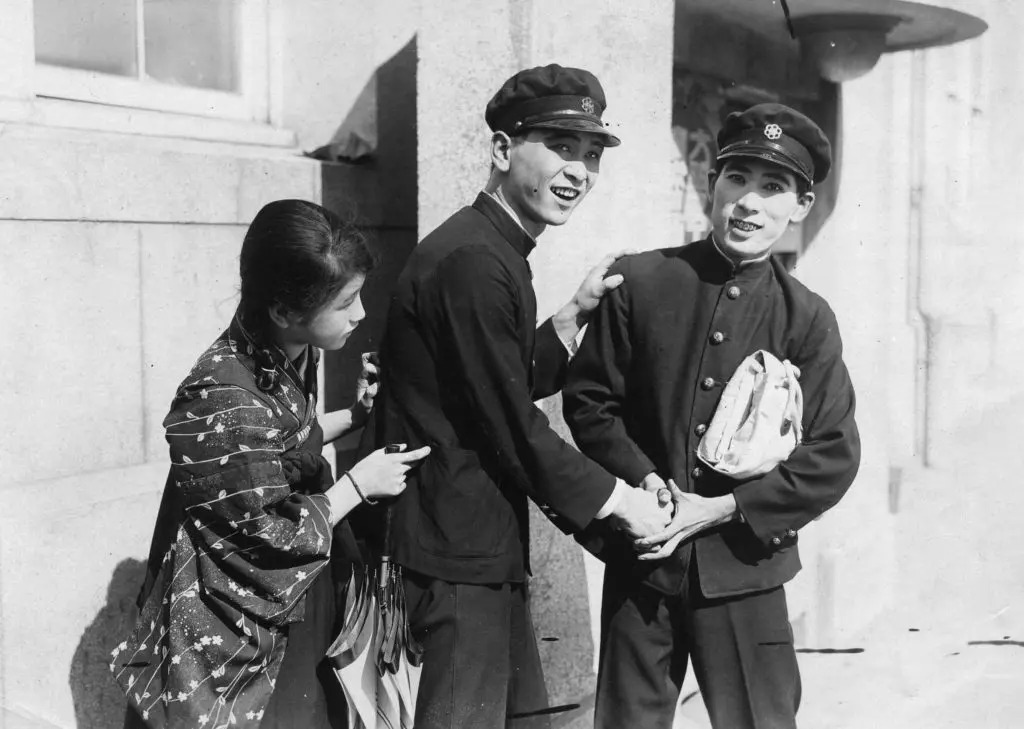
One of the most striking aspects of Furusato no uta is its use of setting to inform the narrative. The rural landscape is not merely a backdrop, but an active participant in the story, shaping the characters' experiences and worldviews. This emphasis on environment recalls The Heart of Jennifer, which also explores the interplay between character and setting.
Upon reflection, it becomes clear that Furusato no uta is a film that defies easy categorization. It is at once a poignant exploration of rural life, a nuanced examination of human relationships, and a thought-provoking inquiry into the nature of ambition and loyalty.
As the credits roll on Furusato no uta, the viewer is left with a lasting sense of the film's themes and characters. It is a testament to the power of cinema to transport us to another time and place, and to challenge our assumptions about the world and its inhabitants.
In the pantheon of films that explore the human condition, Furusato no uta occupies a unique niche, one that is characterized by its measured tone, nuanced performances, and evocative setting. It is a film that rewards close attention and reflection, offering insights into the complexities of human experience.
Ultimately, Furusato no uta is a film that lingers in the mind, its themes and characters continuing to resonate long after the credits roll. It is a powerful reminder of the importance of empathy, understanding, and the human connection.
For those interested in exploring the works of Japanese filmmakers, Furusato no uta is an essential viewing experience. Its themes of loyalty, ambition, and the human condition are timeless, transcending cultural boundaries to speak to universal human experiences.
Additional films that explore similar themes include Man's Plaything, Why Elephants Leave Home, and Terror Trail. Each of these films offers a unique perspective on the human condition, and is well worth viewing in conjunction with Furusato no uta.

IMDb 5.8
1934
Community
Log in to comment.