DbcultAccessing Vault...
5.7/10
Senior Film Conservator
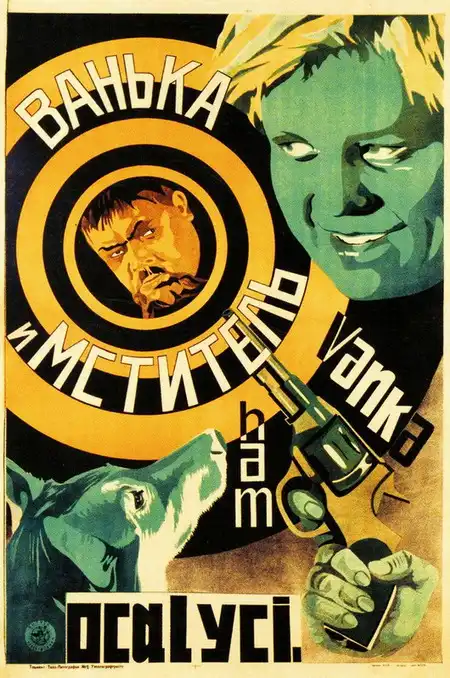
A definitive 5.7/10 rating for a film that redefined the boundaries of cult cinema. Vanka i 'Mstitel' remains a cornerstone of transgressive art.
Alright, let’s be straight about Vanka i 'Mstitel' from the jump. This isn't for everyone. If you’re the kind of person who really digs into historical films, especially from early Soviet cinema, and you don’t mind a certain... *unrefined* quality, you might just find something interesting here. But if modern blockbusters and slick storytelling are your jam, you’ll probably find this a slow burn, maybe even a bit stiff. It's a niche watch, for sure. 🧐
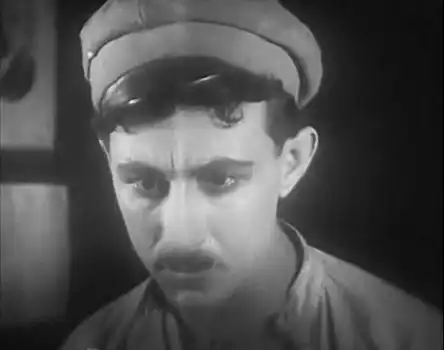
The premise itself has this kind of straightforward, almost fable-like quality. We meet Vanka, this young shepherd boy, living his quiet life out in the fields. Then, bam, he stumbles upon these two Red Army scouts, obviously in a tight spot, with the White Army hot on their heels. It’s a classic setup for a hero’s journey, and you can almost feel the movie saying, 'Here’s our guy.'
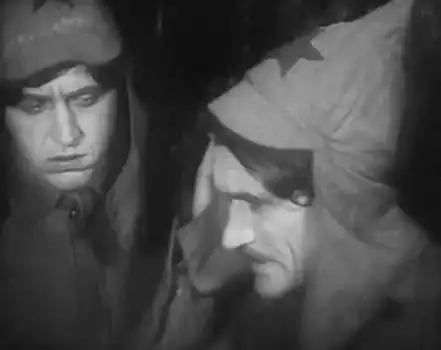
What really works, for its time, is the immediate tension of that chase. One of the scouts, the taller one, keeps looking over his shoulder, a mixture of fear and pure exhaustion etched on his face. You can almost hear his ragged breathing, even without perfect sound mixing. Vanka, though, he just seems to *know* the terrain. It’s like the hills and ravines are part of his own backyard, which, I guess, they are. He leads them through some truly tricky parts of the landscape, and the camera lingers on the White Army riders trying to navigate these narrow passes. It’s a small detail, but it really sells the idea that Vanka’s local smarts are their only hope.
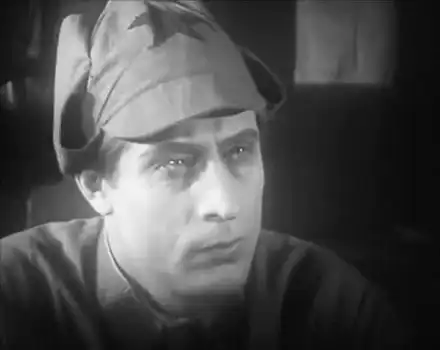
There’s this moment where they finally lose the pursuers, and the scouts just collapse. Not dramatically, just... *down*. One of them even lets out a little grunt, totally unglamorous. It feels very real, very human, after all that running. And Vanka, he just stands there, watching them, almost like he’s surprised by his own bravery. It’s subtle, but you feel the weight of what just happened.
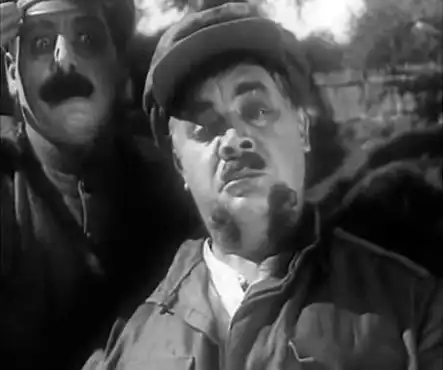
The reward, when it comes, is the heart of the movie, really. Vanka, this orphan boy, is admitted into the squadron. It’s not a big, flashy ceremony. Just a quiet acceptance. They give him a cap, maybe a little too big for his head, and you see his eyes light up. That sense of belonging, of finally having a place, it’s genuinely affecting. You really root for him in that moment. It's a simple joy that translates across all these years.
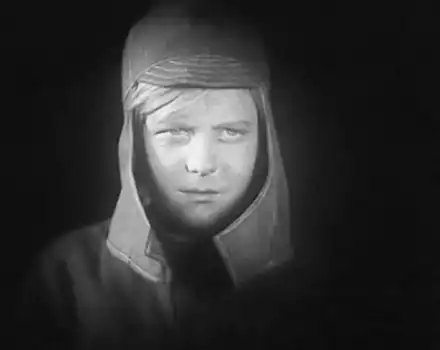
Now, let's be real, this isn’t a perfect film by any stretch. Some of the wider 'battle' scenes, once Vanka is with the squadron, feel a bit... rehearsed. Like everyone's waiting for their exact mark before moving. The horses sometimes look like they’re just going through the motions. And the dialogue, well, it’s very direct, very to-the-point. There’s not a lot of subtext, which can feel a bit jarring for modern viewers used to layered conversations.
I also kept wondering about Vanka’s sheep. Did they just wander off? What happened to them? I know, small detail in the grand scheme of war adventures, but it kept popping into my head. 🐑 A little tangent, I suppose.
And the cinematography, while it captures the rugged landscape pretty well, sometimes the close-ups are just a *tad* too close, almost like they’re trying to compensate for something. There’s a particular shot of one of the squadron leaders giving a stern speech, and his face fills the whole screen. You can practically count the pores. It's a bit much. 😬
But despite these quirks, there's an earnestness to Vanka i 'Mstitel' that’s hard to ignore. It’s a snapshot of a particular time in filmmaking, and a particular political climate. The 'good vs. evil' is very clear, painted in broad strokes. The heroes are brave, the villains are... well, they're the White Army, so they're the villains. There's no real moral ambiguity to ponder here, which is kind of refreshing in its simplicity.
It’s a film that asks you to meet it on its own terms. Don’t go in expecting slick editing or complex character arcs. Instead, look for those little moments: the desperate glances, the proud tilt of a young boy's head in a new uniform, the way the landscape becomes a character in itself. It's a piece of history, both in its story and its making. Definitely worth a watch if you have a soft spot for these older, less polished cinematic efforts. It's a The Escape for a different era, with its own kind of charm.
IMDb 6.3
1928
Community
Log in to comment.