DbcultAccessing Vault...
Cult Review
Senior Film Conservator
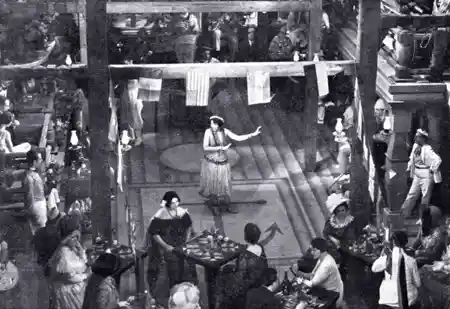
Alright, so is Vele ammainate worth digging up today? Well, if you’re someone who genuinely loves the slow, deliberate pace of early 20th-century cinema, the kind that lets scenes breathe and emotions stew, then absolutely. This isn’t for the Netflix binge-watcher crowd; they’ll probably find it agonizingly slow and maybe even a bit… *quaint*. But for classic film enthusiasts, especially those with a soft spot for Italian silent or early talkie dramas, there’s a quiet beauty here.
The film, I gather, centers on a young man, a sailor, leaving his village. It’s a common enough setup for the era, but there’s something in the way it’s handled that feels remarkably personal, almost like watching someone’s old family album come to life.

I kept thinking about Dria Paola’s performance as the woman left behind. Her entire being seems to convey this immense, *heavy weight* of expectation and sorrow. There’s a scene where she’s standing by the window, not even crying, just staring out at the sea. Her shoulders are slightly slumped. It’s a long shot, maybe 30 seconds, and you just *feel* her world shrinking. 😩
It’s not just the big, dramatic moments. It’s the small ones. Like when Umberto Sacripante’s character, the sailor, is saying goodbye to his mother. He gives her this quick, almost gruff hug, but then his hand lingers on her arm for just a beat too long. It tells you everything you need to know about the unspoken fears and love there. It’s *really* effective.
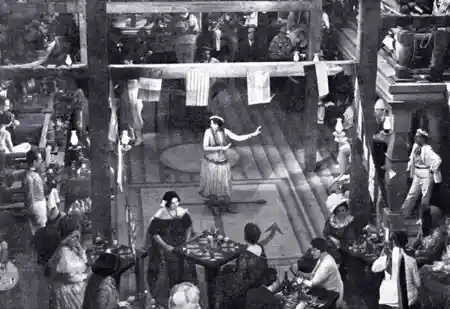
The whole mood is set by the coastal setting. The constant presence of the sea, the creaking of boats, even the way the wind seems to whip through the narrow village streets. You almost smell the salt air. It anchors the story in a very real, tangible place.
Pacing-wise, it takes its time. A *lot* of time. You’ll have shots of waves hitting the shore that go on for what feels like an eternity. But they’re not just filler. They’re punctuation marks, letting the emotional impact of the previous scene settle. It asks for patience, sure, but it rewards it. 🌊
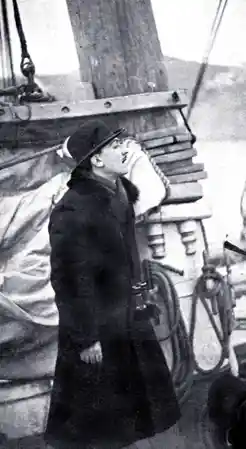
There's a particular shot of a lighthouse, a real old, craggy one, standing stark against a grey sky. It appears several times. Each time, it felt like a silent witness to everything happening below. Like it's seen countless farewells and untold returns, or non-returns.
Some of the acting, especially from the supporting cast like Renato Malavasi, feels a bit… *big* for modern tastes. Lots of hand-wringing and wide eyes. But it’s part of the charm of these old films, isn’t it? It’s a different language of emotion, more outwardly expressed.

There’s this one odd moment, a very brief cut to a fisherman mending his nets. It seems totally unrelated to the main story. But it somehow adds to the texture of the village, reminding you that life, simple and enduring, goes on around the central tragedy. It’s a small detail, but it stuck with me. 🎣
The story doesn't rush to any grand resolutions. Things just… happen. Or don’t happen. It’s about the *passage of time* and what that does to people who are left waiting. The title, 'Sails Furled,' really says it all. It’s a feeling of something being put away, perhaps for good, or at least for a very long while.
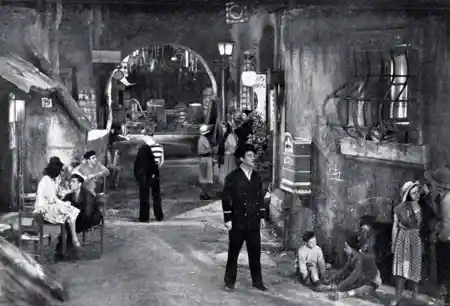
You can almost feel the weight of history in the film itself. The sets are simple, not overly dressed, which makes everything feel very authentic. Like you’re peeking into a real place, not a constructed one.
It’s definitely not a feel-good movie. Prepare for a certain melancholic resonance to stick with you after the credits roll. It’s the kind of film that makes you ponder the quiet sacrifices people make, the hopes they carry, and the eventual, sometimes bitter, acceptance of what fate brings. 😔
So, if you’re in the mood for something slow, deeply felt, and a little bit old-fashioned in the best way possible, give Vele ammainate a look. Just don't expect fireworks or a neat ending. Expect a quiet, thoughtful journey.

IMDb —
1932
Community
Log in to comment.