DbcultAccessing Vault...
7.3/10
Senior Film Conservator
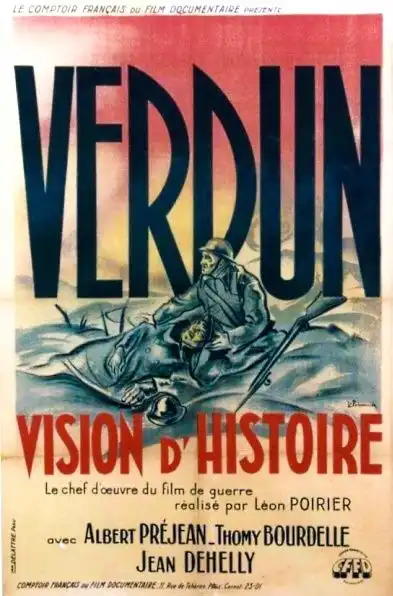
A definitive 7.3/10 rating for a film that redefined the boundaries of cult cinema. Verdun: Looking at History remains a cornerstone of transgressive art.
Verdun: Looking at History is worth watching today, but only if you are willing to look past the stiff theatricality of early 20th-century drama to find the raw, jagged edges of actual history. It is a film for the patient viewer, the history obsessive, and the student of cinematic technique. It will likely bore anyone looking for a 1917-style action romp, as its pacing is dictated more by the grinding reality of attrition than by Hollywood story beats. However, for those who want to see what a landscape looks like when it has been truly digested by artillery, this film is unparalleled.
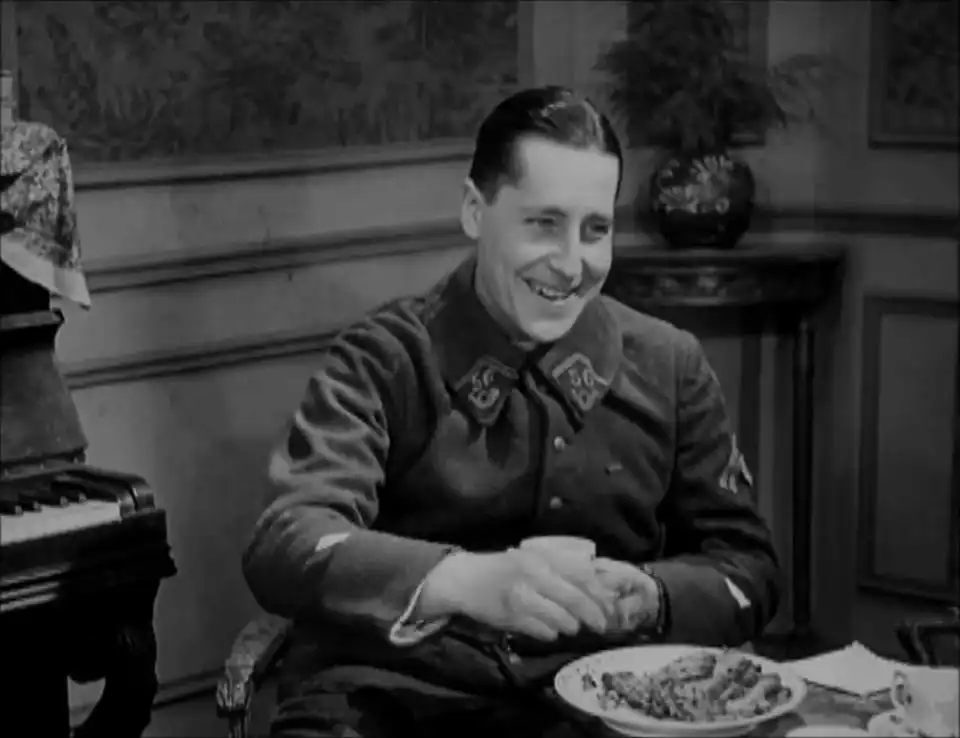
The first thing that hits you about Poirier’s film is the texture. Unlike modern war films that rely on CGI or meticulously dressed sets in Eastern Europe, Poirier took his cameras to the actual hills of Verdun. The craters you see aren't the result of a pyrotechnics team; they are the literal scars of the earth, filmed only twelve years after the shells stopped falling. There is a specific, haunting quality to the way the actors—many of whom were actual veterans—clamber over the chalky, decimated soil of Fort Vaux. You can see the genuine difficulty they have navigating the terrain; it’s not the fluid movement of a stuntman, but the heavy, awkward trudge of men in wool coats and mud-caked boots.
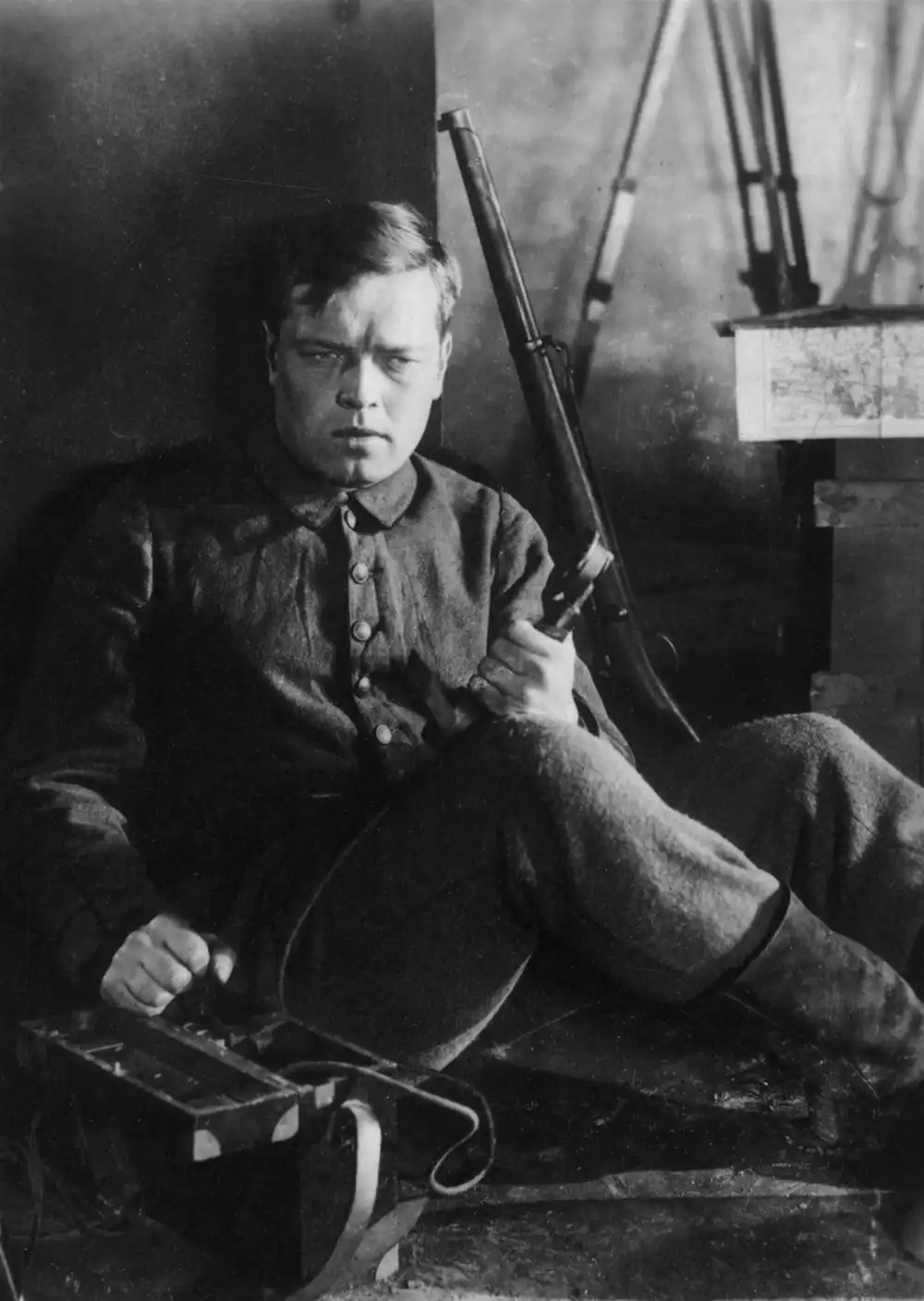
The film is structured into three movements: 'The Force,' 'The Hell,' and 'The Fate.' This structure helps manage the sheer scale of the battle, though the transition from the somewhat dry, strategic buildup of the first act to the sensory assault of the second can be jarring. While other films of the era like Hard Luck were busy perfecting the art of the physical gag, Poirier was experimenting with how to visualize the psychological weight of a bombardment.
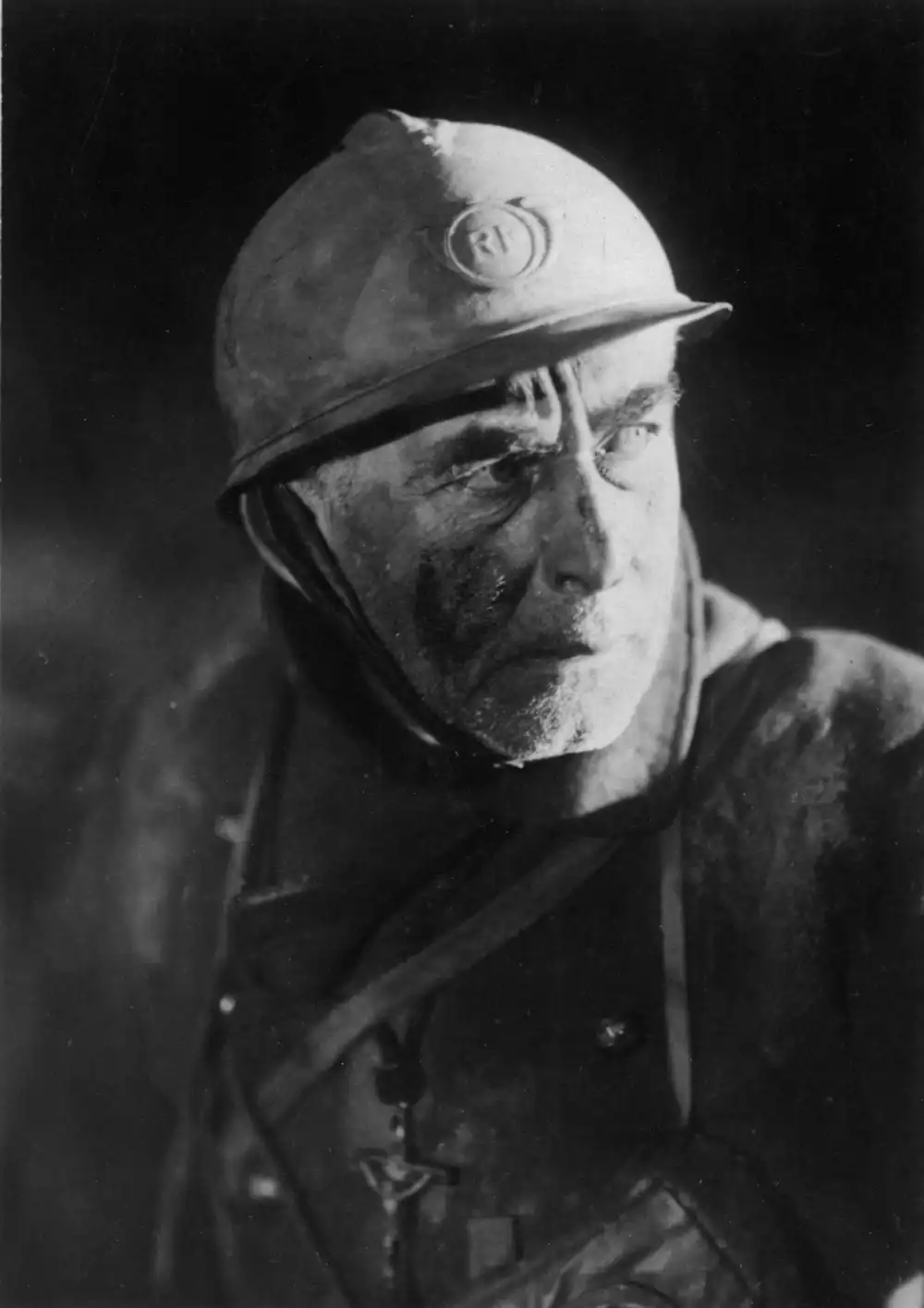
One of the most striking elements for a modern viewer is the presence of Antonin Artaud. Long before he became the patron saint of avant-garde theater, he appeared here as 'The Intellectual.' While much of the cast plays their roles with a stoic, almost statuesque restraint, Artaud’s face is a map of twitchy, high-wire anxiety. His performance feels like it belongs to a different era of acting—one more concerned with internal collapse than outward heroism.
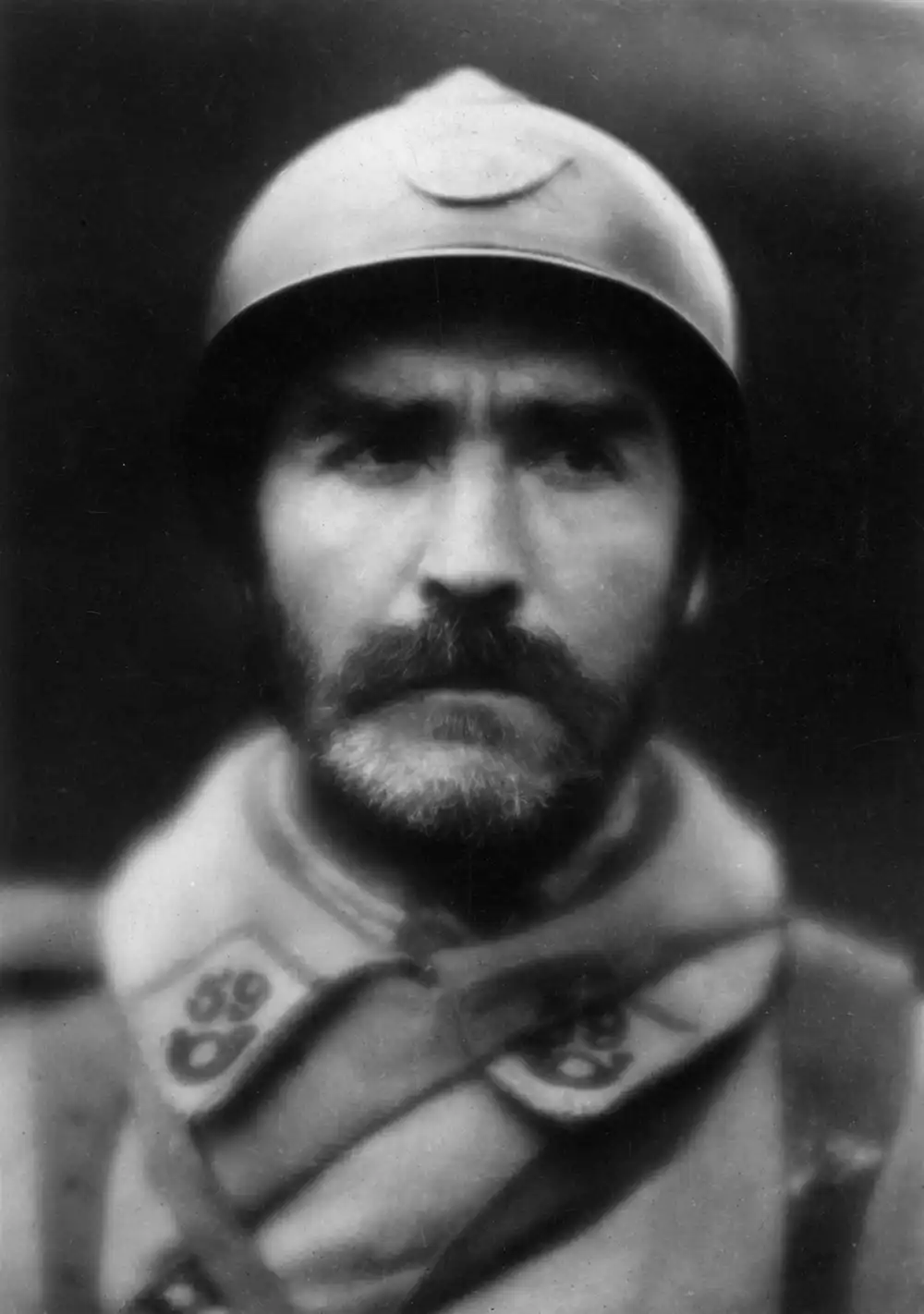
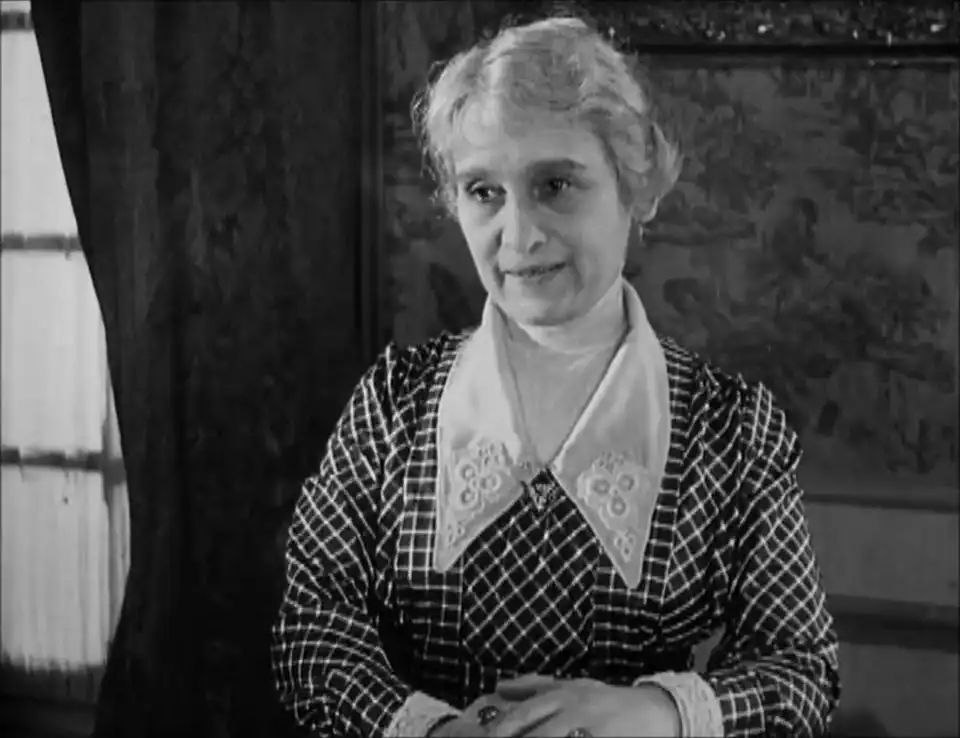
The film also makes the bold choice to focus on archetypes: 'The Mother,' 'The Son,' 'The Farmer.' In less capable hands, this would feel like a cheap allegory, but here it works because Poirier anchors it in specific, mundane details. There is a scene where a French soldier and a German soldier find themselves in the same shell hole. It’s a trope we’ve seen a thousand times since, but here, the lack of musical over-scoring makes the silence between them feel heavy and dangerous rather than sentimental. The way they look at each other's equipment—the specific shape of a canteen or the texture of a tunic—feels like a genuine observation of two humans realizing they are wearing different versions of the same misery.
Technically, the 'Hell' sequence remains a masterclass in silent editing. Poirier uses rapid-fire cutting, split screens, and overlapping dissolves to simulate the chaos of the 'drumfire' bombardment. The screen literally vibrates with the rhythm of the explosions. It’s an impressionistic approach that feels much more modern than the static, wide-shot stagings common in the 1920s. You see the smoke hanging low over the trenches, a thick, greasy fog that seems to swallow the light.
However, the film isn't without its slogs. The middle section, while visually impressive, begins to feel repetitive. We see wave after wave of infantry disappear into the smoke, and while that is historically accurate to the meat-grinder nature of Verdun, it does make the narrative momentum stall. Poirier is more interested in the collective experience than individual character arcs, which means there isn’t always a clear emotional hook to pull you through the slower tactical explanations. If you’re used to the character-driven focus of something like The Snob, the anonymity of the soldiers here might feel distancing.
What makes Verdun: Looking at History stand apart from other silent epics is its refusal to demonize. By showing the German perspective with a similar level of domestic pathos, Poirier created a film that feels less like a victory lap and more like a funeral rite. The final shots of the film, focusing on the crosses and the ossuary, aren't just a postscript; they are the point of the entire exercise.
Is it worth watching? Yes, but treat it as an immersive experience rather than a standard narrative. It is a film that demands you look at the background—the broken trees, the ruined masonry of the forts, and the hollowed-out eyes of the extras. It captures a moment in time when the world was still trying to process a catastrophe that defied language, and in doing so, it created some of the most haunting images in the history of the medium. It’s a somber, technically brilliant piece of work that earns its place in the canon not through melodrama, but through the sheer, undeniable weight of the real.

IMDb —
1931
Community
Log in to comment.