DbcultAccessing Vault...
Cult Review
Senior Film Conservator
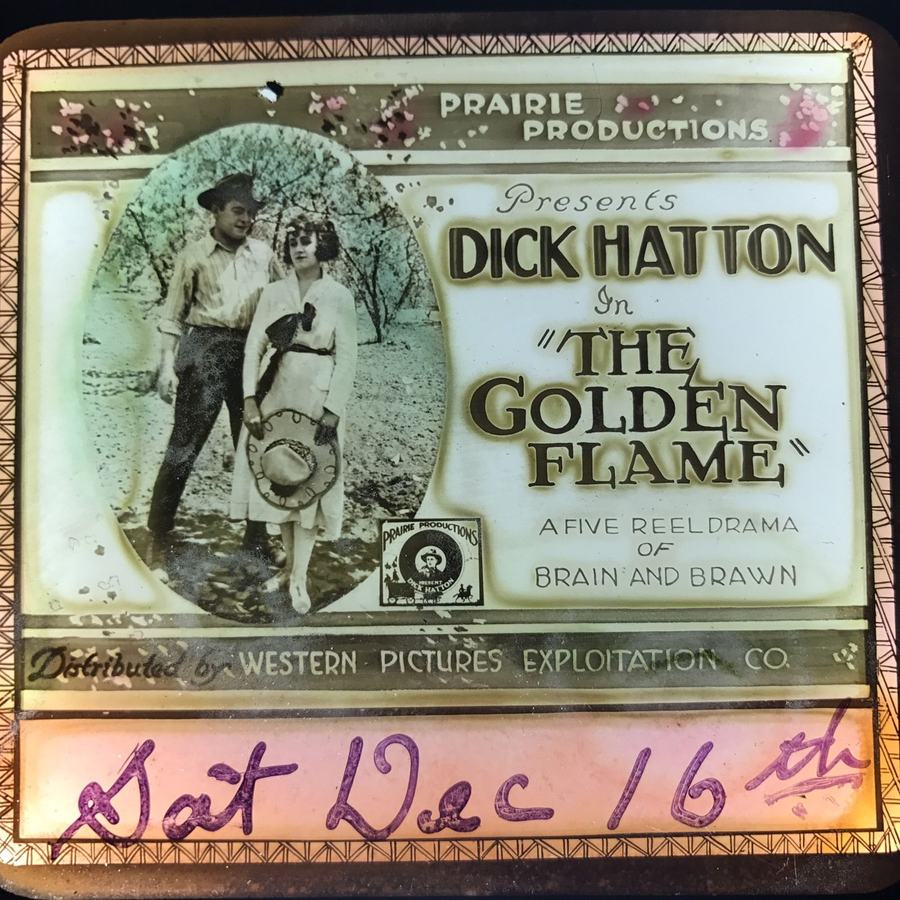
The silent era of cinema, often romanticized and sometimes misunderstood, was a period of unbridled experimentation and raw, visceral storytelling. Within this fertile ground, the Western genre flourished, giving rise to iconic archetypes and narratives that would define American mythology for generations. Among these cinematic pioneers, The Golden Flame emerges not merely as a relic of its time, but as a vibrant testament to the enduring power of visual narrative, a film that, even a century later, still manages to ignite a spark of adventure and human drama. It is a work that, while adhering to many genre conventions, elevates them through a compelling blend of earnest performance, evocative cinematography, and a narrative urgency that belies its lack of spoken dialogue.
At its core, The Golden Flame is an archetypal tale of betrayal and redemption, set against the breathtaking, yet unforgiving, canvas of the American West. The plot, a meticulously crafted tapestry of high stakes and personal vendettas, centers on Jedediah Stone, portrayed with compelling stoicism by the prolific Dick Hatton. Hatton, a stalwart of the B-Westerns of the era, brings to Jed a rugged authenticity, a quiet strength that resonates deeply without uttering a single word. His performance is a masterclass in non-verbal communication, relying on subtle shifts in his gaze, the determined set of his jaw, and the weary but resolute posture of a man wronged. We witness his initial triumph, the discovery of the titular ‘Golden Flame’ – a gold vein so rich and luminous it seems almost sentient – swiftly followed by the crushing weight of deceit at the hands of his avaricious partner, Silas Thorne. Thorne, a villain painted in broad, deliciously dark strokes, embodies the corrupting influence of greed, his every sneering glance and furtive movement telegraphing his perfidy. The subsequent abduction of Jed’s fiancée, Elara, adds a layer of emotional urgency, transforming what could have been a simple revenge narrative into a desperate race against time for love and justice.
Dick Hatton’s presence in The Golden Flame is nothing short of magnetic, a testament to his consistent ability to command the screen in a genre that often prioritized action over nuanced characterization. Unlike some of his contemporaries who relied on flamboyant gestures, Hatton’s strength lay in his understated intensity. He was the everyman hero, capable of incredible feats of derring-do, yet grounded in a relatable humanity. His Jedediah Stone is a man of few apparent words – a necessity of the medium, perhaps, but one he leverages to great effect, allowing his actions and reactions to speak volumes. When Jed discovers the betrayal, the camera lingers on Hatton’s face, capturing a flicker of disbelief giving way to profound hurt, and then a steely resolve that promises retribution. This emotional arc, conveyed solely through facial expressions and body language, is what elevates his performance beyond mere genre-fare. Comparing his work here to his equally compelling turn in Headin' South, where he also portrays a lone figure navigating a treacherous landscape, one can appreciate the consistency of his persona. Hatton understood the silent language of the Western hero, embodying the stoic resilience required to survive, and indeed thrive, in the untamed wilderness. His character in The Golden Flame is less about the grandiloquent pronouncements and more about the quiet, unwavering determination that defines the true spirit of the frontier.
The supporting cast, though perhaps less individually luminous than Hatton, nevertheless provides robust foundations for the narrative’s emotional scaffolding. Elara, Jed’s fiancée, is portrayed not as a mere damsel in distress, but as a woman of considerable spirit, her defiance against Thorne adding depth to her predicament. The villainous Silas Thorne, meanwhile, is a deliciously despicable figure, his motives unambiguous, his actions unequivocally vile. This clear delineation of good and evil, a hallmark of early Westerns, allows the audience to fully invest in Jed’s quest for justice. The melodrama, while pronounced, never descends into farce; instead, it serves to heighten the emotional stakes, making Jed’s arduous journey across the desert, his desperate escapes, and the eventual showdown feel genuinely impactful. The film’s pacing is remarkably effective, oscillating between moments of tense quietude and explosive action, ensuring that audience engagement never wanes. The narrative propulsion is relentless, each scene building inexorably towards the climactic confrontation, a testament to the filmmakers' understanding of cinematic rhythm even without the benefit of synchronized sound.
The cinematography of The Golden Flame is a silent marvel, utilizing the vast, sweeping landscapes of the American West as both a majestic backdrop and an active participant in the drama. The stark beauty of the desert, the treacherous canyons, and the rugged mountain passes are captured with an eye for grandeur that emphasizes the isolation and formidable challenges faced by Jed. Long shots establish the scale of his quest, making his solitary figure seem small against the immensity of nature, while close-ups on his face underscore the internal fortitude that drives him. The use of natural light, a common practice in early cinema, imbues the scenes with an authentic glow, particularly effective in rendering the 'Golden Flame' itself with a palpable sense of awe. The director, whose vision clearly guided every frame, demonstrates a keen understanding of visual metaphor. The desolate landscape mirrors Jed's initial despair, while the rising sun over the horizon often heralds a renewed sense of hope or determination. The action sequences, particularly the horse chases and the final confrontation in the mine, are choreographed with a precision that belies the technical limitations of the era. The editing, sharp and purposeful, maintains a brisk pace, particularly during moments of suspense, drawing the viewer deeper into Jed’s perilous journey. There’s a palpable sense of kinetic energy that permeates these scenes, a testament to the filmmakers' ability to convey motion and impact through carefully arranged shots and rapid cuts. This deft handling of visual cues is crucial in a silent film, making every gesture, every tilt of the head, every panoramic vista carry significant narrative weight.
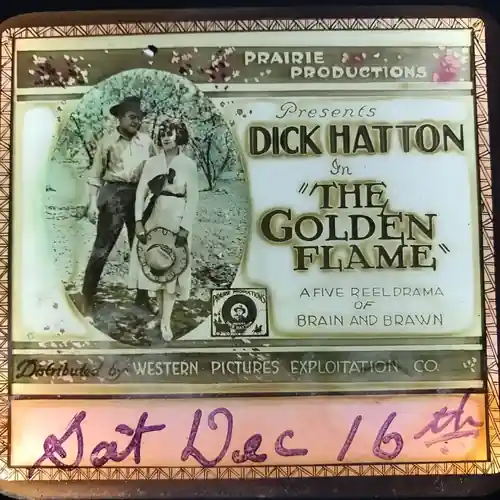
The thematic underpinnings of The Golden Flame are deeply rooted in the cultural anxieties and aspirations of its time. It’s a film that speaks to the perennial struggle between good and evil, the allure and danger of unchecked ambition, and the enduring power of resilience in the face of overwhelming odds. The 'Golden Flame' itself functions as a potent symbol – not just of material wealth, but of the inherent value and potential that lies dormant, waiting to be unearthed, both in the land and within the human spirit. The film’s clear moral compass, where virtue is ultimately rewarded and villainy punished, aligns with the dominant narrative sensibilities of the era, offering a reassuring sense of cosmic justice. This is a common thread in many films of the period, such as Bucking the Line, which similarly explores themes of overcoming adversity and forging one's own path against societal pressures. The melodramatic flourishes, particularly around Elara’s abduction and the villain’s machinations, find parallels in films like The Iron Heart, where emotional intensity is heightened through stark contrasts in character morality and dramatic confrontations. These films weren't merely entertainment; they were moral fables, reflecting and reinforcing societal values while providing thrilling escapism.
Beyond its immediate narrative, The Golden Flame also offers a fascinating glimpse into the nascent techniques of cinematic storytelling. The reliance on intertitles, while sometimes perceived as clunky by modern audiences, here feels organic, providing crucial exposition and dialogue that propels the story forward without breaking the visual flow. The filmmakers understood how to maximize the impact of each frame, each gesture, each visual cue. This meticulous attention to visual detail is what allowed silent films to transcend language barriers and captivate audiences globally, a testament to their universal appeal. While the film may not possess the grand artistic ambitions of, say, Kean, with its theatricality and psychological depth, it excels within its chosen genre, delivering a straightforward yet profoundly satisfying experience. It reminds us that the fundamental elements of compelling cinema – engaging characters, clear conflict, and a satisfying resolution – have remained constant, even as the technology and stylistic conventions have evolved.
The enduring appeal of films like The Golden Flame lies in their purity of expression. Stripped of dialogue and complex soundscapes, they force the viewer to engage with the raw essence of cinema: image, movement, and emotion. It is a cinematic experience that demands active participation, inviting the audience to interpret the nuances of performance and visual information. For contemporary audiences, revisiting such a film is not merely an act of historical appreciation but an opportunity to reconnect with the foundational grammar of filmmaking. It serves as a powerful reminder that storytelling, at its most potent, transcends technological advancements. The film’s narrative, though straightforward, is imbued with a timeless quality, exploring human motivations – greed, loyalty, love, and vengeance – that remain universally recognizable. It is this universality that allows The Golden Flame to resonate even today, offering a window into a bygone era while simultaneously speaking to the enduring human condition.
In a broader cinematic context, The Golden Flame, while perhaps not a canonical masterpiece on the scale of a Griffith or a Murnau, is nonetheless a vital piece of the silent film mosaic. It represents the robust output of the era's studios, churning out entertaining and morally upright features for a hungry public. It’s a film that, much like the acclaimed The Artist, which so lovingly paid homage to the silent era, demonstrates the inherent power and charm of this unique art form. It reminds us that the absence of sound was not a deficit, but an opportunity for visual poetry and heightened dramatic expression. The film’s ability to conjure suspense, elicit empathy, and deliver a satisfying resolution without uttering a single word is a testament to the ingenuity of its creators and the raw talent of its performers. It stands as a vibrant example of how early filmmakers skillfully navigated the constraints of their medium to produce compelling, emotionally resonant stories that continue to captivate and inspire. To experience The Golden Flame is to step back in time, not to a dusty, forgotten past, but to a vibrant, living cinematic landscape where the echoes of adventure still ring true.
In conclusion, The Golden Flame is more than just a historical curiosity; it is a dynamic, engaging silent Western that showcases the strengths of its genre and its star, Dick Hatton. Its narrative, though familiar, is executed with a vigour and sincerity that transcends its age. The film’s visual storytelling, combined with Hatton’s compelling performance, creates an immersive experience that speaks volumes without a single spoken word. It is a reminder of the foundational artistry of cinema, a blazing testament to the power of pure visual narrative. For those seeking to understand the roots of the Western, or simply to enjoy a well-told tale of adventure and retribution, The Golden Flame shines brightly, a true cinematic gem from an era defined by its pioneering spirit.
IMDb —
1924
Community
Log in to comment.