DbcultAccessing Vault...
Cult Review
Senior Film Conservator
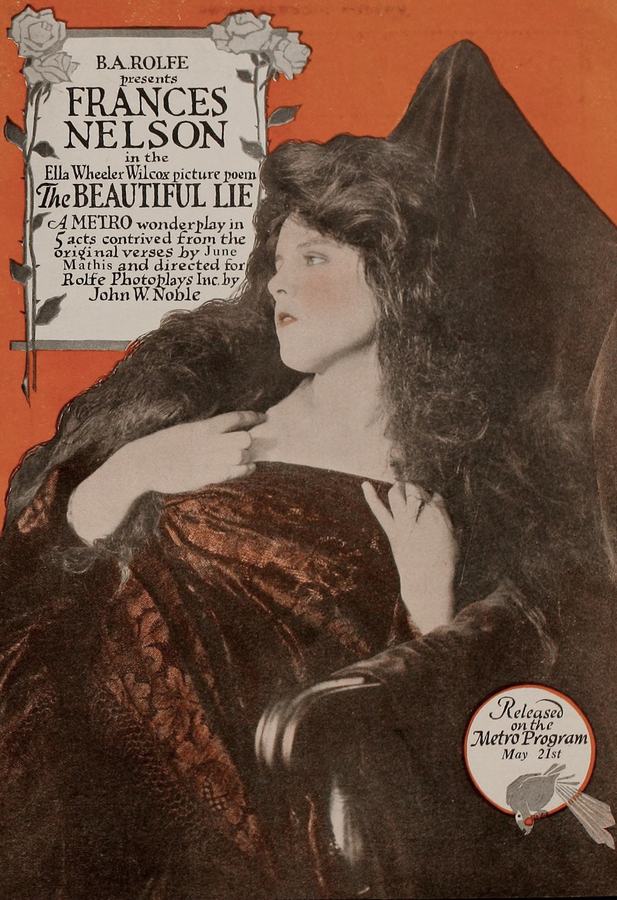
In the grand tapestry of early 20th-century cinema, where melodrama often reigned supreme and moralistic narratives served as both entertainment and cautionary tales, certain films stand out for their audacious storytelling and profound emotional resonance. Among these, The Beautiful Lie (1917) emerges as a particularly compelling artifact, a silent film that, despite its age, speaks volumes about human nature, the corrosive power of deception, and the redemptive force of truth. Directed with a keen eye for dramatic tension and featuring a screenplay by the formidable duo Ella Wheeler Wilcox and June Mathis, this picture is far more than a simple period piece; it's an intricate exploration of identity, betrayal, and the arduous journey towards authentic connection.
The narrative of The Beautiful Lie is a meticulously crafted web, spun with threads of romantic idealism, cynical manipulation, and an unexpected twist that redefines everything. At its heart is Louise Joyce, portrayed with an affecting vulnerability by Frances Nelson. Her initial foray into what she believes is marital bliss with Mortimer Grierson (Harry Northrup) quickly devolves into a nightmare. Grierson, an architect whose designs seem to extend beyond buildings to human lives, ensnares Louise in a 'marriage' that he cruelly dismisses as a sham. This act of psychological cruelty, delivered with chilling indifference, sets the stage for Louise's profound disillusionment and subsequent quest for self-reinvention. It's a plot device that immediately draws comparisons to other melodramas of the era, where vulnerable heroines often found themselves at the mercy of unscrupulous men, though few execute the betrayal with such a devastating personal blow as Grierson's casual dismissal of their union.
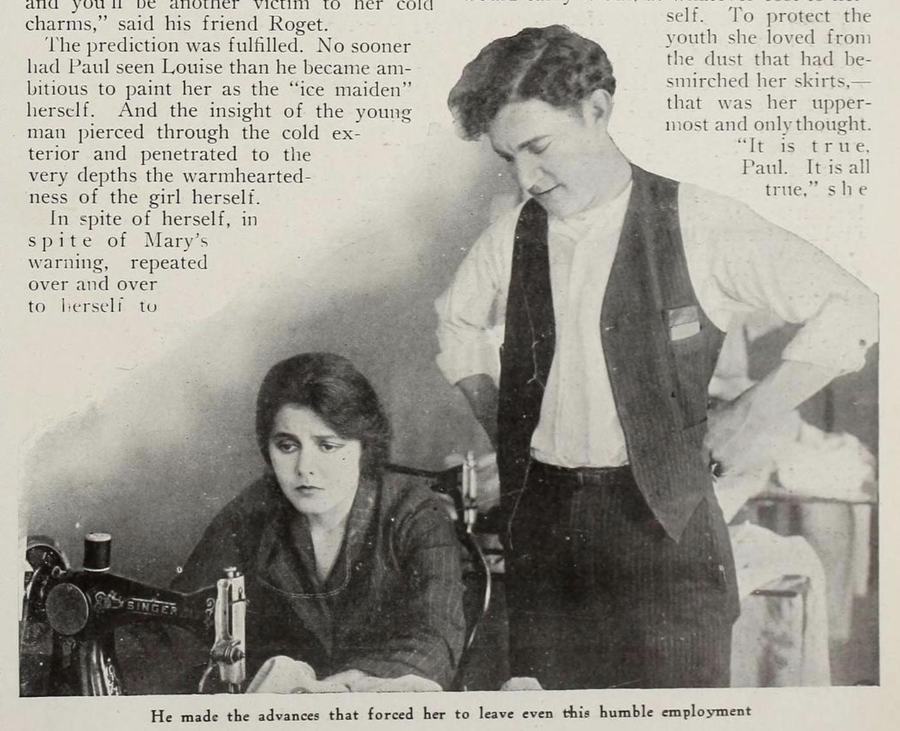
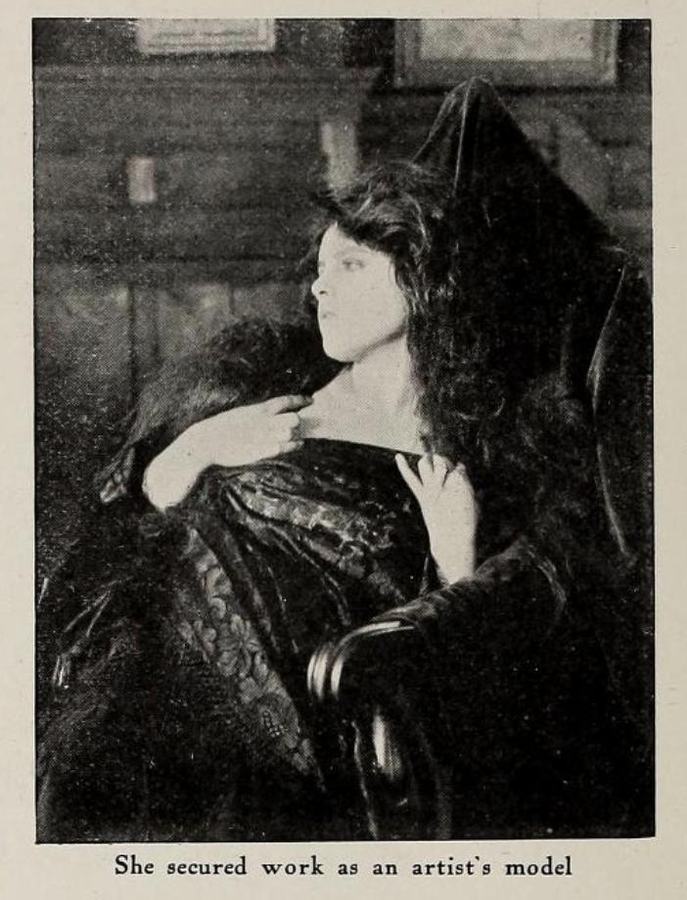
The brilliance of Wilcox and Mathis's screenplay lies not just in the initial deception, but in the layers of irony and consequence that follow. Louise, abandoned and believing herself unmarried, finds refuge and purpose in the artistic community, becoming a model. This period of artistic immersion offers her a freedom and self-discovery that her brief, tragic 'marriage' never could. It is here that she encounters Paul Vivian (Edward Earle), a protégé of Grierson, igniting a genuine romance that contrasts sharply with the calculated coldness of her past. The blossoming of this new love, however, is not without its dramatic obstacles, as Grierson, ever the malevolent puppet master, re-enters the scene to poison Paul's mind with the insidious lie that Louise was merely his mistress. This manipulation, a testament to Grierson's enduring villainy, demonstrates the lasting damage that a single, well-placed falsehood can inflict, a theme powerfully explored in other silent-era dramas like The Seventh Sin, where societal judgment and hidden truths similarly complicate nascent relationships.
The success of The Beautiful Lie hinges significantly on the performances of its lead actors, who, without the benefit of spoken dialogue, had to convey complex emotions and motivations through gesture, facial expression, and physical presence. Frances Nelson as Louise Joyce delivers a performance of remarkable depth. Her transformation from an innocent, hopeful bride to a woman scarred by betrayal yet resilient in her pursuit of happiness is compelling. Nelson's expressive eyes and subtle shifts in posture effectively communicate Louise's inner turmoil and eventual strength, making her a deeply sympathetic figure. Her portrayal captures the essence of the 'new woman' emerging in the early 20th century, one who, despite societal constraints and personal setbacks, strives for autonomy and authentic connection.
Harry Northrup, in the role of Mortimer Grierson, is suitably despicable. His portrayal is a masterclass in silent film villainy – a man whose smooth exterior masks a core of utter self-interest and a chilling disregard for others' feelings. Northrup ensures that Grierson is not a caricature, but a believable antagonist whose actions drive the entire conflict. His drunken confession to Louise, followed by his casual desertion, is a moment of stark brutality, rendered all the more impactful by Northrup's cold, calculating demeanor. This kind of nuanced villainy, where the antagonist's actions are pivotal to the protagonist's journey, can also be seen in films like The Pretenders, where moral ambiguity often fuels the drama.
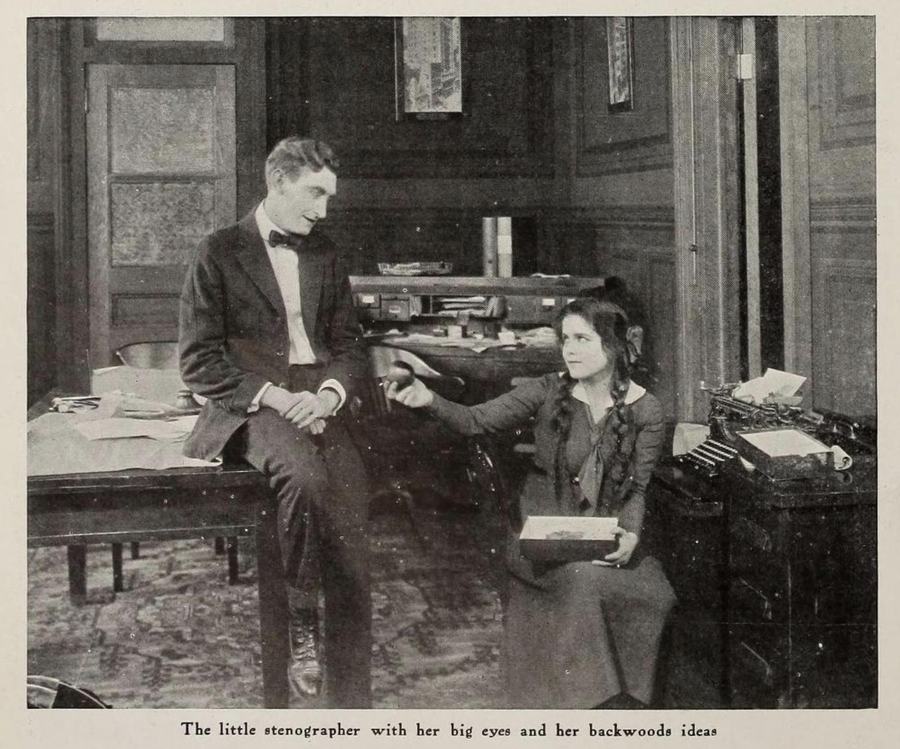
Edward Earle's Paul Vivian serves as the film's moral compass and romantic ideal. Earle imbues Paul with a sincerity and earnestness that makes his love for Louise believable and his eventual discovery of the truth deeply satisfying. The chemistry between Nelson and Earle, conveyed through yearning glances and tender gestures, is palpable, providing a much-needed warmth amidst the film's darker themes. John Davidson as Howard Hayes, Grierson's nephew, initially appears as a minor player in the grand scheme of deception but ultimately delivers the film's most significant revelation. Davidson's performance captures Howard's internal conflict and his eventual, spite-driven act of securing a real minister, which retroactively transforms the entire narrative, showcasing how seemingly minor characters can hold the key to a story's ultimate resolution.
The true genius of The Beautiful Lie culminates in its climactic unraveling of the central deception. Grierson's demise, a consequence of his own philandering, serves as a catalyst for truth. On his deathbed, as he attempts to dictate his final affairs, the confession from his nephew Howard Hayes shatters the foundation of the 'beautiful lie.' Howard's admission – that he, in an act of petty vengeance against his uncle, secured a legitimate minister for Louise's wedding – is a stroke of narrative brilliance. It transforms Louise's entire ordeal from a personal tragedy into a legal farce, and ultimately, a path to genuine happiness. This twist is not merely a plot device; it's a profound statement on the unpredictable nature of consequences and the way in which even small acts of malice can inadvertently lead to justice. The complexity of this revelation, where a genuine spiteful act ends up rectifying a greater wrong, is reminiscent of the intricate moral quandaries presented in films like The Victory of Conscience, where personal ethics and societal norms clash in unforeseen ways.
The immediate aftermath of Grierson's death and Howard's confession sets the stage for the film's resolution. Paul, learning the full, unvarnished truth, is able to reconcile with Louise, their love no longer shadowed by deceit or societal judgment. This final act of revelation and reconciliation is deeply satisfying, not just because it provides a happy ending, but because it underscores the film's central message: that truth, however long suppressed or distorted, ultimately prevails, paving the way for authentic connection and a new beginning. It's a powerful affirmation of integrity in a world often clouded by artifice, a theme that resonates across cinematic eras and cultures, from early silent films to contemporary dramas.
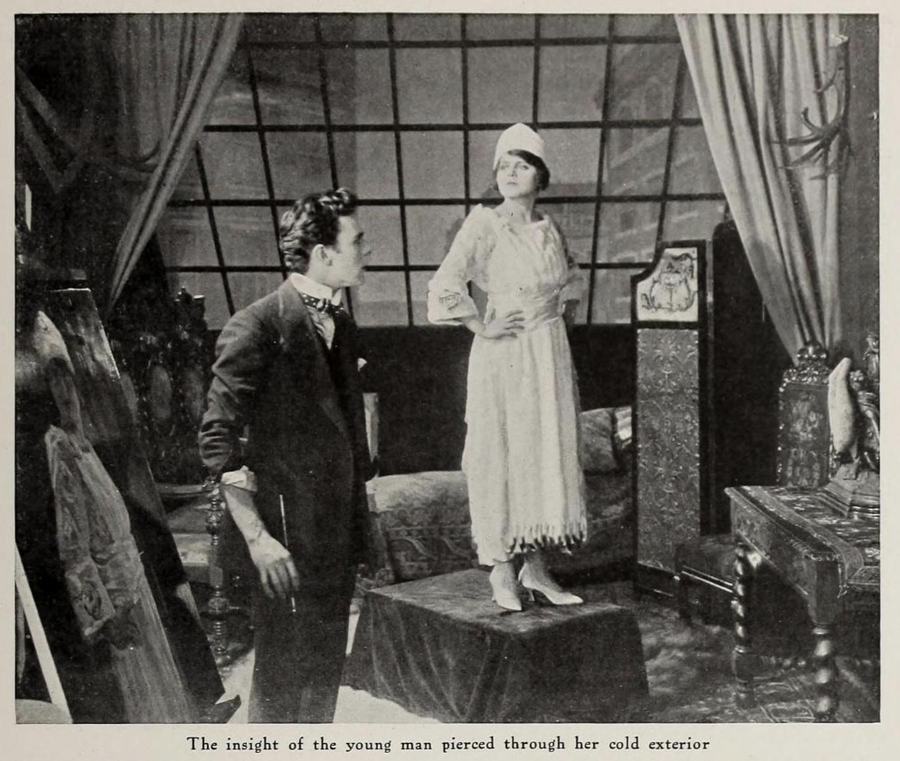
Beyond its compelling narrative and strong performances, The Beautiful Lie showcases the developing technical artistry of silent cinema. The direction, while not attributed to a single individual in the provided information, effectively employs visual storytelling techniques to convey emotion and advance the plot. Intertitles are used judiciously, complementing rather than dominating the visual narrative, allowing the actors' expressions and actions to carry much of the story's weight. The staging of scenes, particularly the contrast between Grierson's opulent yet emotionally sterile world and Louise's more humble but artistically vibrant existence, adds layers of meaning to the character arcs. The film's pacing maintains a consistent dramatic tension, building effectively towards its pivotal revelations. This careful construction of visual narrative is a hallmark of successful silent films, much like the intricate visual storytelling found in Armstrong's Wife, which similarly relied on strong visual cues to convey complex human relationships.
The screenplay by Ella Wheeler Wilcox, a renowned poet and journalist, and June Mathis, one of the most powerful women in early Hollywood, is a testament to their combined narrative prowess. Wilcox's poetic sensibilities likely contributed to the film's thematic depth and emotional resonance, while Mathis's reputation for crafting commercially successful and structurally sound screenplays ensured its dramatic effectiveness. Their collaboration resulted in a story that, despite its melodramatic flourishes, feels grounded in relatable human experiences of love, loss, and the search for truth. Their work stands as a significant contribution to the evolution of film narrative, demonstrating how silent cinema could tackle complex moral and emotional dilemmas with nuance and sophistication.
In conclusion, The Beautiful Lie is a compelling example of early cinema's capacity for intricate storytelling and profound emotional impact. It navigates the treacherous waters of deception and betrayal, ultimately affirming the enduring power of truth and genuine human connection. The film's exploration of a woman's journey from victimhood to agency, from a sham marriage to a real love, is both timeless and deeply resonant. The performances, particularly by Frances Nelson and Harry Northrup, transcend the limitations of silent film, conveying a rich tapestry of human emotion. The ingenious plot twist, courtesy of the writers, elevates the narrative beyond simple melodrama into a sophisticated commentary on justice and fate. For cinephiles and historians alike, The Beautiful Lie offers a fascinating glimpse into the moral and social landscapes of its era, demonstrating how silent cinema, even without spoken words, could articulate complex human experiences with remarkable clarity and power. It stands as a testament to the enduring appeal of stories where even the most beautiful of lies eventually crumble before the undeniable force of truth, much like the intricate character studies found in films such as Civilization's Child, which also delves into the moral complexities of its time. Its legacy is not just in its narrative craft, but in its ability to provoke thought and stir the emotions, proving that some stories, like some truths, are truly eternal.
IMDb —
1916
Community
Log in to comment.