DbcultAccessing Vault...
7.1/10
Senior Film Conservator
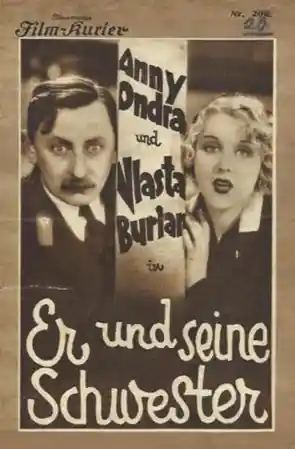
A definitive 7.1/10 rating for a film that redefined the boundaries of cult cinema. Versuchen Sie meine Schwester remains a cornerstone of transgressive art.
So, you’re thinking about diving into Versuchen Sie meine Schwester, huh? This one’s a real trip back to 1928. If you’re already a silent film buff, someone who appreciates the history and isn’t afraid of a little melodrama, then yeah, absolutely give it a watch. It’s got that specific kind of old-world charm that really pulls you in, or pushes you away.
For everyone else, especially if you need dialogue to feel engaged, or if you prefer sleek, modern storytelling, you’ll probably find this one a tough sit. It’s definitely not for folks who get bored easily with slower pacing and exaggerated expressions. You really have to adjust your expectations, you know?
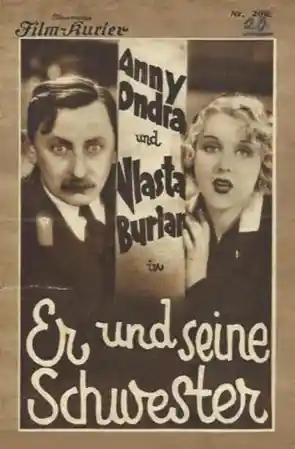
The film, from what I gather, seems to revolve around some romantic shenanigans, maybe a case of mistaken identity or a sister playing matchmaker – or maybe just stirring the pot. Anny Ondra is, of course, a highlight. She just lights up the screen, even without a single spoken word. Her expressions are so big, you can pretty much guess what she’s thinking without any intertitles. There’s this one scene where she’s pouting, and it just goes on for a beat too long, almost comedic. 😂
Manfred Koempel-Pilot, playing opposite her, has this sort of earnest, slightly confused look through most of it. You can practically see the wheels turning in his head, trying to keep up. There’s a moment, a simple gesture where he tries to take her hand, and she pulls it away with such a flourish. It’s so quintessentially silent film.
The pacing is… well, it’s 1928. Things move at their own rhythm. Sometimes a shot holds for what feels like an eternity, letting you soak in the background or really focus on a face. Then suddenly, there’s a quick cut to a chase sequence, and it’s all a bit jarring. One particular bit with a frantic carriage ride felt like it sped up just to remind you they could do action.
I found myself wondering a lot about the sets. They’re pretty simple, but they have this neat, almost theatrical quality. Like, you can tell it’s a set, but it works. There’s a lovely shot of a garden party, all these people moving around. The director, I guess, really wanted us to feel the bustle, but the extras are sometimes a little too… polite, almost. It’s not quite a bustling crowd, more like folks waiting for instructions.
The humor, when it lands, is very much of its time. A slapstick pratfall or a surprised double-take gets a lot of mileage. There’s a bit where someone nearly trips over a dog, and the camera just *holds* on the dog’s surprised face. Who thinks of that? I loved it. 🐶
It’s hard to talk too much about the plot without giving away any of the tiny, charming reveals. But it’s certainly not a deep, thought-provoking drama. More like a lighthearted romp. It feels like a stage play adapted for the screen, which, of course, was super common back then. The way characters enter and exit scenes is very much like an actor crossing a stage.
Watching this, you really get a sense of how movies were figuring things out. They were experimenting. Some things work beautifully, like Ondra's magnetic presence. Other things, like a few too many lingering shots on a character just *thinking*, feel a bit clunky now. But that's part of the fun, right? Seeing the early days. It’s a bit like watching a home movie from a long, long time ago.
So, if you’ve got an afternoon, and you’re in the mood for something genuinely old-school, give Versuchen Sie meine Schwester a shot. It's a curiosity, a glimpse into a different cinematic language. You won’t be on the edge of your seat, but you might find yourself smiling at its earnest charm.
IMDb 6.5
1924
Community
Log in to comment.