DbcultAccessing Vault...
6.9/10
Senior Film Conservator
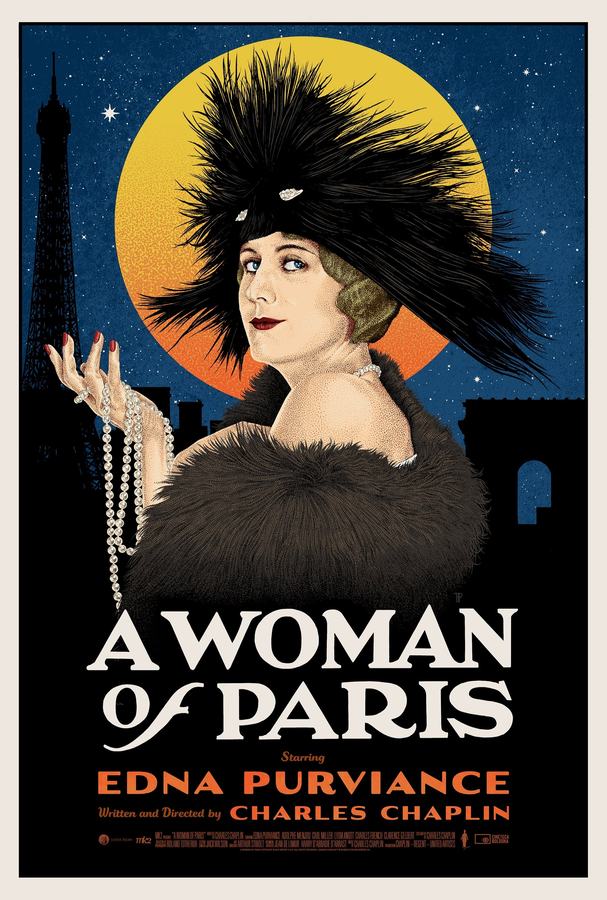
A definitive 6.9/10 rating for a film that redefined the boundaries of cult cinema. A Woman of Paris: A Drama of Fate remains a cornerstone of transgressive art.
When the reels of A Woman of Paris: A Drama of Fate begin to spin, the audience is thrust into a world where dialogue is a luxury and emotion is conveyed through the slightest tilt of a head, the subtlest flicker of an eye. The film, penned by the legendary Charles Chaplin, eschews the slapstick that defined much of his oeuvre, opting instead for a contemplative portrait of a woman caught between two divergent paths. The protagonist, portrayed with luminous nuance by Edna Purviance, embodies a paradox: she is both the object of desire and the architect of her own destiny, a duality that Chaplin renders with astonishing clarity.
The plot unfolds like a series of interlocking vignettes, each scene a brushstroke that adds depth to the central dilemma. Our heroine, a kept woman living in opulent yet oppressive surroundings, encounters her former fiancé—a man whose love was once pure, now transformed by the harsh realities of post‑war Paris. This reunion is not merely a plot device; it is the catalyst for a profound examination of class, autonomy, and the inexorable pull of fate. The film interrogates whether love can truly transcend socioeconomic boundaries, or whether comfort inevitably eclipses passion.
Chaplin’s script is sparse, but each intertitle is meticulously crafted, offering insight without dictating sentiment. The narrative’s rhythm mirrors the ebb and flow of the Seine, alternating between languid, contemplative moments and sudden, jarring confrontations. This fluidity is reminiscent of the emotional architecture found in Saffo, where personal tragedy is woven into the tapestry of historical upheaval.

Edna Purviance delivers a performance that is at once restrained and incandescent. Her expressive eyebrows, the slightest tremor in her hand, speak volumes about the internal conflict that roils beneath her polished veneer. Lydia Knott, as the matriarchal figure who embodies societal expectations, provides a counterpoint that grounds the film’s more ethereal moments. Karl Gutman’s fleeting yet potent appearance as the former fiancé adds a layer of melancholy, his eyes reflecting a past that can never be reclaimed.
Charles Chaplin himself appears in a cameo that is both self‑referential and thematically resonant. Though his screen time is limited, his presence underscores the film’s preoccupation with the performative aspects of identity. The supporting cast—Harry Northrup, Nellie Bly Baker, and the ever‑versatile Bess Flowers—populate the narrative with a richness that feels almost theatrical, each character a mirror reflecting a facet of the protagonist’s psyche.
The visual language of the film is a study in chiaroscuro, where darkness is not merely a backdrop but an active participant in the storytelling. The camera lingers on the glint of a chandelier, the reflection of a streetlamp on rain‑slick cobblestones, and the soft glow of a candle that illuminates a solitary figure in a dimly lit salon. These moments are punctuated by the occasional burst of color—most notably the striking use of the film’s signature hues: a dark orange that frames moments of passion, a bright yellow that highlights fleeting hope, and a sea blue that envelops scenes of introspection.
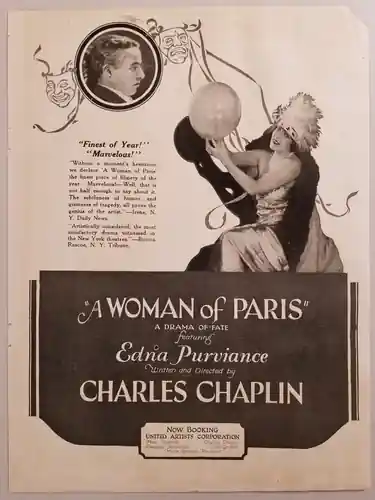
The cinematographer’s choice to frame the protagonist against vast, empty spaces amplifies her isolation, while close‑ups of her hands—fingers delicately brushing a silk scarf—convey a yearning for tactile connection. This visual strategy aligns with the aesthetic sensibilities seen in Das lebende Rätsel, where the interplay of light and shadow serves as a narrative conduit.
In the absence of spoken dialogue, the film’s score assumes a pivotal role. The orchestration, a haunting blend of strings and muted brass, ebbs and flows in tandem with the protagonist’s emotional tide. When she confronts the allure of comfort, the music swells with a somber, almost resigned melody. Conversely, moments of recollection—when the former fiancé’s visage reappears—are underscored by a delicate piano motif that whispers of lost possibilities.
The strategic use of silence is equally potent. Scenes where the ambient sounds of Paris—distant carriage wheels, murmurs of a bustling café—fade into a hushed void compel the audience to inhabit the protagonist’s inner vacuum. This auditory restraint is reminiscent of the auditory restraint employed in The Hypnotic Violinist, where the absence of sound heightens emotional acuity.
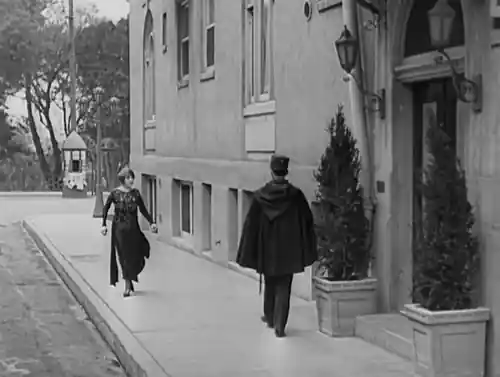
Released in the twilight of the silent era, the film occupies a liminal space between the exuberant optimism of early 1920s cinema and the impending transition to sound. Its focus on a woman’s agency—albeit within the constraints of her social milieu—prefigures later feminist narratives that would emerge in the sound era. The film’s nuanced treatment of class disparity also mirrors contemporary societal shifts, as post‑World War I France grappled with economic reconstruction and evolving gender norms.
Comparatively, the film’s thematic preoccupations echo those of A Tale of the Australian Bush, where characters confront the stark realities of their environment while yearning for personal redemption. Both works underscore the universality of human desire against the backdrop of societal expectation.
Charles Chaplin’s direction is marked by restraint, a departure from his trademark physical comedy. Here, his hand is felt in the meticulous pacing, the deliberate framing of each tableau, and the unhurried unfolding of emotional beats. The director eschews overt melodrama, opting for a quiet intensity that invites viewers to read between the lines. This approach aligns with the narrative subtlety of Alma Sertaneja, where the director’s restraint amplifies the story’s emotional resonance.
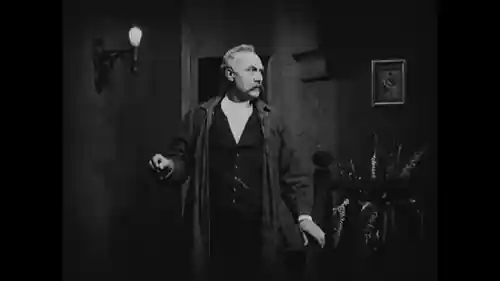
Chaplin’s use of visual motifs—such as recurring shots of a lone streetlamp casting a solitary pool of light—serves as a metaphor for the protagonist’s isolation. The recurring motif of a cracked mirror reflects her fractured sense of self, a visual allegory that underscores the film’s central conflict.
When placed alongside Chaplin’s more renowned works, such as The Kid or City Lights, A Woman of Paris stands out for its mature, introspective tone. While his comedic masterpieces rely on physicality and slapstick, this drama leans into the power of silence and visual poetry. The film’s emphasis on female perspective is a notable divergence, positioning it as an early forerunner to later gender‑focused narratives in Chaplin’s catalog.
In contrast to the frenetic energy of Pay Me!, which thrives on rapid cuts and dynamic action, A Woman of Paris luxuriates in lingering shots, allowing the audience to savor each emotional nuance. This deliberate pacing underscores Chaplin’s versatility as a storyteller capable of navigating disparate cinematic terrains.
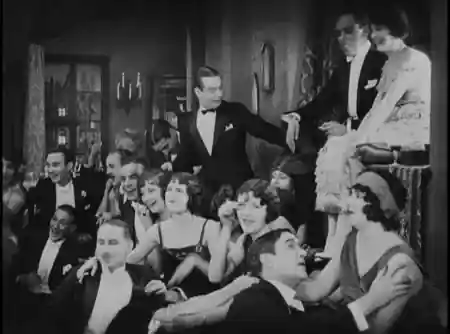
Modern critics have revisited the film with renewed appreciation, lauding its sophisticated narrative structure and its prescient exploration of gender dynamics. Contemporary screenings often pair the film with discussions on the evolution of female representation in early cinema, highlighting its relevance in ongoing dialogues about agency and autonomy. The film’s restoration, featuring a meticulously reconstructed score, has introduced it to a new generation of cinephiles who value the silent era’s artistic depth.
The film’s influence can be traced in later works that grapple with similar themes, such as Hard Luck, where protagonists confront the tension between love and survival. The thematic through‑line—an individual caught between personal desire and societal expectation—remains a resonant motif across decades of filmmaking.
A Woman of Paris: A Drama of Fate endures as a testament to the power of silent storytelling. Its intricate interplay of visual composition, nuanced performance, and thematic depth invites repeated viewings and scholarly inquiry. The film’s ability to convey profound emotional truth without uttering a single word underscores the universality of its narrative—a woman’s struggle between love and comfort that transcends era, geography, and language.
For those seeking a cinematic experience that marries aesthetic elegance with intellectual rigor, this film offers a compelling journey into the heart of human longing. Its place within Chaplin’s oeuvre, its dialogue with contemporaneous works, and its ongoing relevance to modern audiences affirm its status as a cornerstone of silent film artistry.
IMDb —
1917
Community
Log in to comment.