DbcultAccessing Vault...
6.5/10
Senior Film Conservator
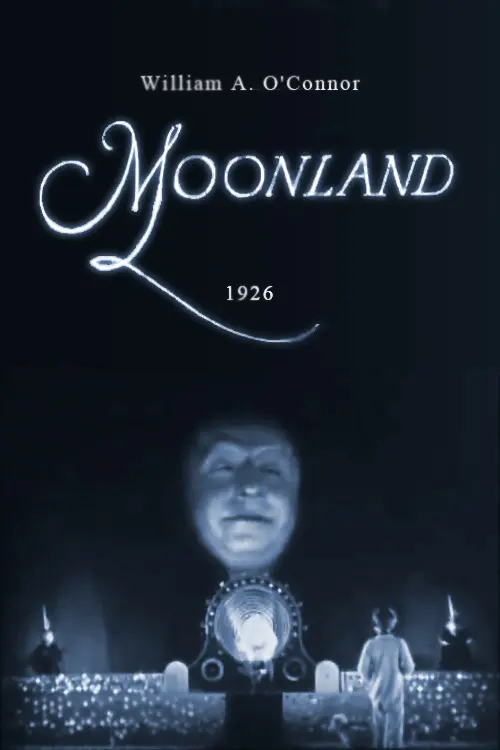
A definitive 6.5/10 rating for a film that redefined the boundaries of cult cinema. Moonland remains a cornerstone of transgressive art.
Is Moonland a forgotten gem or a dusty relic of a bygone era? Short answer: it is a fascinating historical curiosity, but only for those with a high tolerance for silent-era abstraction and primitive visual effects. This film is specifically for cinema historians and fans of early 20th-century fantasy; it is definitely not for viewers who require narrative cohesion or modern pacing.
1) This film works because it embraces a sense of unbridled imagination that modern, logic-bound cinema often lacks.
2) This film fails because its episodic structure lacks a compelling emotional core to tether the viewer to Mickey’s journey.
3) You should watch it if you want to see how 1920s filmmakers visualized the 'impossible' before the advent of sophisticated optical printing.
If you are looking for a casual evening of entertainment, the answer is a firm no. However, if you are interested in the evolution of the fantasy genre, Moonland offers a unique glimpse into the 1926 zeitgeist. It sits in a strange middle ground between the theatricality of Georges Méliès and the more grounded realism seen in contemporary films like American Maid. It is a film that demands you adjust your internal clock to a slower, more deliberate frequency.
Neil McGuire was not interested in the gritty realism that was beginning to take hold in other sectors of the industry, such as the social dramas like Little Miss Nobody. Instead, McGuire leaned into the artifice. The set design in Moonland is intentionally non-naturalistic. The lunar surface looks less like a planet and more like a feverish dream of a vaudeville stage. One specific moment that stands out is the arrival of Mickey and his dog on the moon; the way the 'Man in the Moon' is depicted—using heavy prosthetic makeup and exaggerated facial expressions—is both technically impressive for 1926 and deeply unsettling by modern standards.
The cinematography, while static by today's standards, uses the frame to create a sense of depth that was quite advanced for its time. McGuire utilizes foreground elements, like strange lunar flora, to frame Mickey's reactions. This technique creates a 'layered' look that predates the more complex matte paintings of the 1930s. It works. But it’s flawed. The lack of camera movement can make the longer sequences feel stagnant, almost like watching a series of living postcards rather than a moving picture.
Mickey McBan, a prolific child actor of the era, carries the weight of the film on his small shoulders. In an age where child acting was often synonymous with overly precious pantomime, McBan brings a surprising level of sincerity to his interactions with the bizarre puppets and costumed actors. His performance is a far cry from the more dramatic turns seen in films like Maternità. Here, he is an avatar for the audience's wonder.
The dog, however, is the true scene-stealer. There is a specific sequence where the dog encounters a strange lunar creature, and the animal's genuine confusion provides a grounded contrast to the theatricality of the rest of the production. It is a reminder that in the silent era, spontaneity often came from the non-human cast members. This dynamic between the boy and his pet provides the only real emotional hook in an otherwise sterile environment.
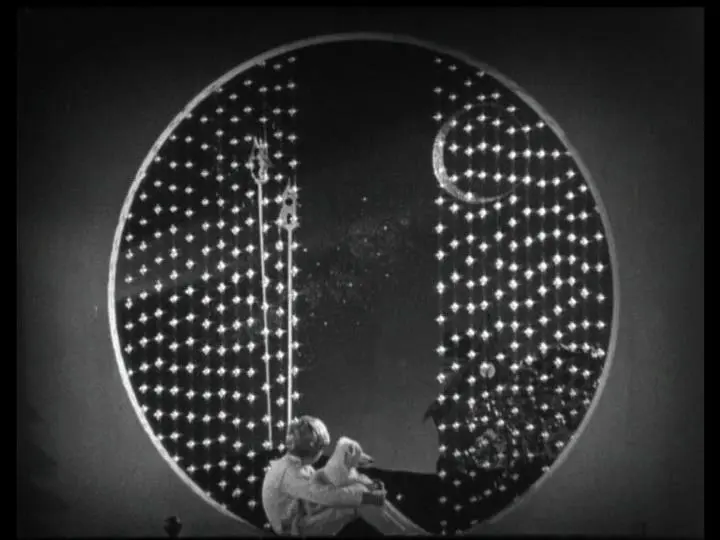
While Moonland is ostensibly a children's story, there is a dark, almost Lynchian undertone to the 'strange characters' Mickey meets. These figures are not the cuddly aliens of modern sci-fi. They are grotesque, with elongated limbs and frozen, mask-like faces. This stylistic choice reflects the influence of German Expressionism that was filtering through global cinema at the time, though McGuire applies it with a much lighter touch than one might see in Kino-pravda no. 8.
The pacing is where the film truly struggles. In 1926, the novelty of seeing a 'magical trip' might have sustained a twenty-minute sequence, but for a modern viewer, the repetition of Mickey walking from left to right across various sets becomes hypnotic in a way that discourages engagement. It lacks the punchy editing of a film like The Last Straw. The film lingers too long on its own visual inventions, forgetting that a story needs to progress even when the scenery is interesting.
When placed alongside other 1920s releases, Moonland feels like an outlier. While The Devil's Cargo was exploring more adult themes of morality and survival, Moonland was retreating into a world of pure fantasy. It lacks the social commentary of Yichuan zhenzhu or the romantic stakes of Such a Little Queen. This isolation is both its strength and its weakness; it is a singular vision, but it is a vision that feels disconnected from the human experience.
The film's use of color tinting (in preserved prints) adds another layer of atmosphere. The transition from the sepia-toned 'real world' to the cool blues and vibrant yellows of the moon is a primitive but effective way to signal a shift in reality. This was a common technique, also seen in The Valley of Doubt, but McGuire uses it here to specifically delineate the 'magical' from the 'mundane'.
Pros:
- High level of visual creativity for the mid-1920s.
- Sincere performances from the child lead and his dog.
- A unique look at early 'trick film' techniques evolved into a narrative format.
Cons:
- The 'magical' characters can be unintentionally terrifying.
- Virtually no character development or narrative arc.
- The static camera work makes the 1920s stagecraft feel dated rather than charming.
Moonland is a fascinating artifact that belongs in a museum rather than a multiplex. It is a film that captures a very specific moment in cinematic history when the medium was still deciding if it wanted to be a recording of reality or a gateway to the impossible. While it lacks the polish of Uneasy Money or the historical weight of In the Days of Daniel Boone, it possesses a weird, lonely beauty. Watch it for the history, but don't expect to be moved. It is a cold, lunar experience that remains as distant today as it was in 1926.
IMDb 7.9
1925
Community
Log in to comment.