DbcultAccessing Vault...
4.8/10
Senior Film Conservator
A definitive 4.8/10 rating for a film that redefined the boundaries of cult cinema. Vidocq remains a cornerstone of transgressive art.
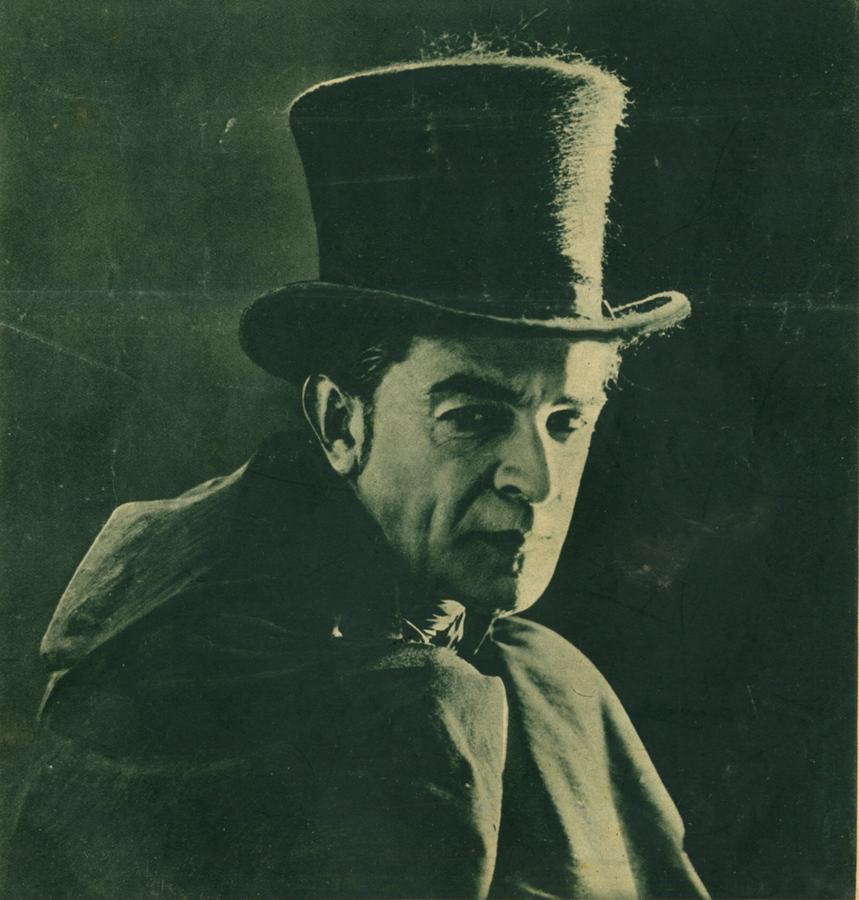
When the reels of Vidocq unfurl, the audience is thrust into a Paris that throbs with both opulence and squalor, a city where the glitter of aristocratic salons masks a labyrinth of criminality. François Vidocq, portrayed with a brooding intensity by Geo Laby, is not merely a deserter; he is a man whose very essence is fractured by the twin forces of love and betrayal. The opening sequence, shot in chiaroscuro, establishes his internal exile: a soldier’s uniform discarded on a rain‑slick cobblestone, a solitary silhouette against the looming silhouette of Notre‑Dame. This visual metaphor sets the tone for a film that oscillates between personal tragedy and grandiose detective work.
The screenplay, adapted from the memoirs of the historical Vidocq and the sensational novels of Arthur Bernède, unfolds in a triptych structure. The first act chronicles Vidocq’s descent into thievery, a morally ambiguous choice that reflects the broader post‑war disillusionment of the French populace. His discovery that his wife, now Manon‑la‑Blonde (Dolly Davis), has become the lover of the affluent Ouvrard (René Navarre) is rendered with a poignant visual motif: a red silk scarf drifting through a cracked window, symbolizing lost intimacy and the commodification of affection. The second act pivots to the clandestine world of the intelligence service, where Vidocq is recruited by the stoic chief (Albert Bras). Here, the film adopts a procedural cadence reminiscent of contemporary serials such as Fantômas: The False Magistrate. The audience is invited to follow Vidocq’s methodical infiltration of Aristo’s gang, the "Children of the Sun," a cadre whose rituals are suffused with esoteric symbolism—sun‑shaped talismans, nocturnal ceremonies lit by flickering oil lamps, and a recurring leitmotif of organ music that foreshadows the eventual revelation of Vidocq’s son.
Geo Laby’s embodiment of Vidocq is a masterclass in silent‑era physicality. He oscillates between the furtive grace of a cat burglar and the stoic resolve of a law‑enforcer, his facial musculature conveying a spectrum of emotions without uttering a single word. The supporting cast provides equally nuanced contributions: Albert Bras, as the inscrutable chief, offers a steady counterpoint with his measured gestures; Genica Missirio, as the enigmatic Aristo, delivers a performance that is both alluring and terrifying, her eyes often glinting with the same sea‑blue hue that dominates the film’s colour palette. Dolly Davis’s Manon‑la‑Blonde is a tragic figure, her movements languid yet purposeful, embodying the duality of victim and conspirator.
Although the original print is monochrome, the restored version employs a selective colourization scheme that accentuates three dominant hues: dark orange (#C2410C) for moments of moral ambiguity, yellow (#EAB308) for scenes of revelation, and sea blue (#0E7490) for sequences steeped in melancholy. The film’s mise‑en‑scene is meticulously crafted; the opulent interiors of Ouvrard’s mansion are bathed in a warm orange glow, suggesting the corrupting allure of wealth, while the subterranean hideouts of the Children of the Sun are suffused with a cold sea‑blue light, evoking a sense of isolation and clandestine purpose. The director’s use of long, tracking shots through fog‑laden alleys mirrors Vidocq’s own journey through uncertainty. The camera often lingers on the interplay of shadow and light, a visual echo of the protagonist’s internal conflict. The climactic organ concert, wherein Vidocq’s son (played by Jacques Plet) performs a piece that reverberates through the cathedral’s vaulted ceiling, is shot in a sweeping crane movement, underscoring the thematic convergence of music, redemption, and paternal reunion.
In the broader tapestry of early 20th‑century French cinema, Vidocq stands alongside works such as The Long Chance and The Jaguar's Claws, both of which explore the intersection of personal vendetta and societal corruption. However, Vidocq distinguishes itself through its intricate character study of a man who oscillates between outlaw and lawman, a duality that predates and arguably influences later noir archetypes. The film’s structural emphasis on a protagonist’s redemption through familial restoration anticipates narrative strategies employed in The Man Who Found Himself, where the hero’s self‑discovery is inextricably linked to the recovery of lost kin.
The editing, overseen by the meticulous hand of the studio’s cutting room, balances the film’s sprawling plotlines with a rhythm that never feels languid. Cross‑cutting between Vidocq’s covert operations and the domestic turmoil of his estranged family creates a palpable tension that escalates toward the denouement. The use of intertitles is sparing yet effective; each card is rendered in a crisp, serif typeface, its black lettering set against a muted parchment background, providing just enough exposition without disrupting the visual flow.
While the original silent version relied on live piano accompaniment, the contemporary restoration features a newly commissioned score that weaves motifs from the organ pieces performed within the film itself. The composer employs a recurring dark orange motif—low, resonant brass—to underscore Vidocq’s moments of moral ambiguity, while a bright yellow piano arpeggio accompanies scenes of revelation, particularly the poignant reunion with his sons. The sea‑blue tonal palette is reflected in the ethereal strings that underscore the film’s more introspective passages, creating an auditory echo of the visual colour scheme.
At its core, Vidovc interrogates the fluidity of identity. Vidocq’s transformation from deserter to thief to detective mirrors the mutable social roles of post‑war France, where traditional hierarchies were destabilized. The city itself emerges as a living organism, its streets pulsing with the same dark orange energy that courses through Vidocq’s veins when he confronts his past. The film also delves into the notion of paternal redemption; the revelation that one son has become a blackguard while the other ascends to knighthood serves as a commentary on the divergent paths that arise from a common origin, a motif echoed in the later classic Tangled Hearts. Moreover, the figure of Manon‑la‑Blonde functions as both catalyst and mirror, reflecting the societal pressures that push women into transactional relationships. Her ultimate fate—whether she redeems herself or succumbs to the machinations of Ouvrard—is left deliberately ambiguous, inviting the viewer to contemplate the limited agency afforded to women in the era’s cinematic narratives.
The impact of Vidocq reverberates through the annals of French genre cinema. Its synthesis of crime thriller, melodrama, and historical biopic paved the way for later auteurs who would blend genre conventions with personal storytelling. Notably, the film’s visual language—its strategic use of colour to delineate moral terrain—prefigures the stylized palettes of the French New Wave, particularly in the works of Jean‑Luc Godard. Additionally, the film’s emphasis on a protagonist navigating dual allegiances anticipates the complex anti‑heroes of contemporary cinema.
In sum, Vidocq is a cinematic tour de force that marries meticulous craftsmanship with a resonant narrative heart. Its rich tapestry of colour, sound, and performance coalesces into an experience that feels both of its time and strikingly timeless. For scholars of early French cinema, the film offers a fertile ground for analysis of genre hybridity, while for the casual viewer, it provides an engrossing tale of love, loss, and the relentless pursuit of redemption. The film’s restoration ensures that its dark orange shadows, yellow revelations, and sea‑blue melancholy will continue to captivate audiences for generations to come.

IMDb 5.3
1912
Community
Log in to comment.