DbcultAccessing Vault...
Cult Review
Senior Film Conservator
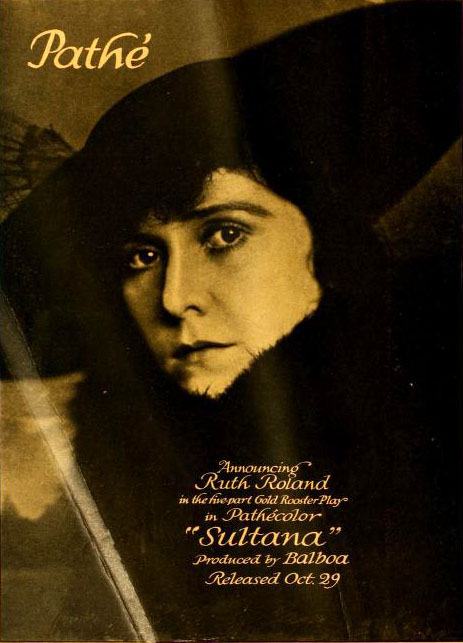
Moonlit champagne flutes, parquet floors echoing with careless laughter, and a single headline—like a match struck in a powder magazine—ignite The Sultana, a 1918 silent that pirouettes on the razor-edge between caper and morality tale. Director and scenarist Henry C. Rowland, abetted by Will M. Ritchey’s intertitles sharp enough to slice silk, crafts a world where opulence is both stage and snare.
The eponymous jewel is no mere prop; it is a lattice of desire, a miniature constellation compressed into platinum and diamonds. Each facet reflects a character’s hunger: Gregory’s appetite for legend, Virginia’s ache for agency, Sautrelle’s custodial pride. When Kirkland palms the diadem, the cut stones seem to inhale—an optical illusion, yes, but also cinema’s primal alchemy: objects breathing.
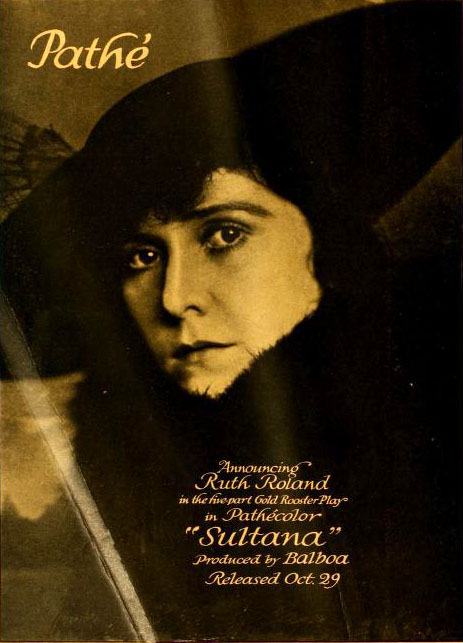
Richard Johnson’s Gregory oscillates between lounge-lizard languor and panic’s quicksilver. Watch his gloved fingers drum a waltz against his thigh—anxiety masquerading as ennui. Opposite him, Ruth Roland’s Virginia is all seawall composure hiding riptides; she measures glances like apothecary weights. Edward Peters, as the taciturn detective prowling the periphery, embodies the era’s newfangled surveillance instinct: eyes half-lidded yet recording.
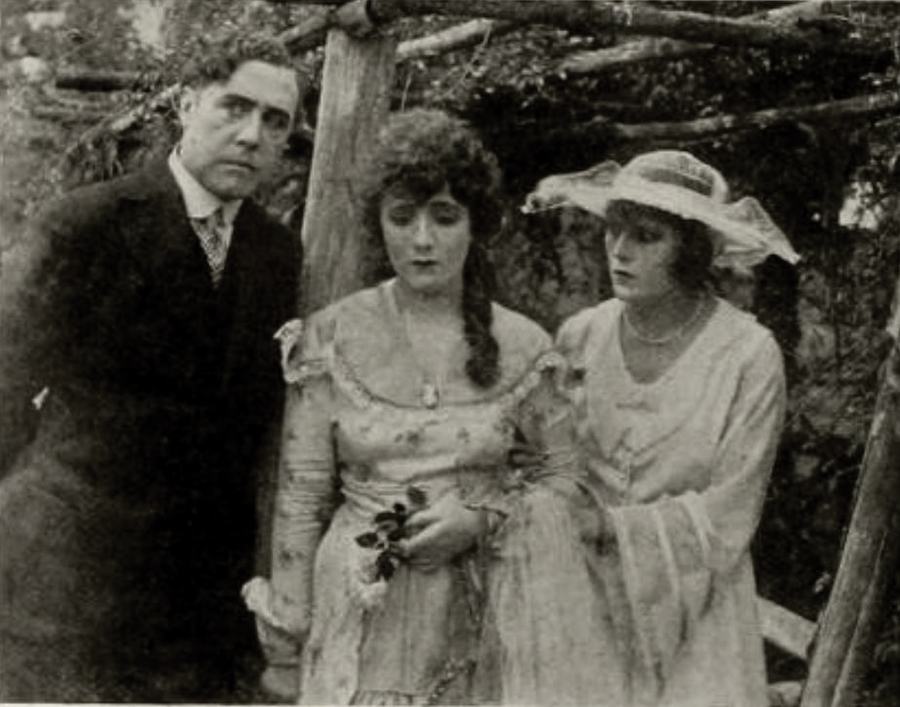
Cinematographer Charles Dudley shoots ballrooms in honeyed chiaroscuro, then pivots to cobalt docks where fog swallows waistcoats. The palette—achieved through tinting—swings from champagne amber to maritime cyan, cueing emotional barometry without a whisper. Notice the repeated motif of mirrors: every reflection fractures identity, hinting that selfhood, like the stolen tiara, is portable.
Rowland structures the tale like a fugue: introduce theme (hubris), invert it (doubt), accelerate until counterpoint collapses into silence. Intertitles eschew exposition for epigram—“A bet is a noose of silk,” reads one, superimposed over Gregory’s champagne arc. The film’s midpoint hinge—a clandestine hand-off in a candle-lit confessional—ranks among early cinema’s most audacious set-pieces, predating similar gambits in Mästertjuven by several years.
Original exhibitors were advised to accompany the theft sequence with a brisk galop, shifting to a largo during Gregory’s nocturnal guilt. Contemporary restorations often interpolate Shostakovich, but I prefer a modest string quartet: the creak of bow hair parallels the creak of conscience.
Where Manon Lescaut treats desire as tragic opera and Dan frames roguishness as pastoral romp, The Sultana occupies a liminal register: urbane, jaded, yet curiously spiritual. Its DNA can be traced in later heist yarns like The Man Who Could Not Lose, but none replicate its fragile equipoise of elegance and dread.
Virginia’s complicity reframes the era’s gender scaffolding. She is neither femme fatale nor angelic foil; rather, she’s a cartographer of risk, remapping patriarchal terrain. When she clasps the tiara to her bosom in a carriage cloaked by night, the camera lingers on her jawline—set not in surrender but calculation. Silent cinema rarely granted women such moral ambiguity without punitive censure; here, the narrative lets her exit the frame unscathed, a quiet revolution.
Spoiler etiquette forbids detailing the tiara’s homecoming, suffice to say it occurs inside a cathedral during an organ voluntary. The relic restored, yet souls displaced, the closing shot frames Gregory against stained glass: kaleidoscopic light spangling his face like cosmic interrogation. Will atonement stick, or is contrition simply another performance? The film refuses a verdict, trusting the spectator to stew in that ambiguity—a modernist instinct avant la lettre.

In an age of NFT heists and crypto wallets, The Sultana feels prophetic: value detached from corporeality, reputation as currency, braggadocio weaponized for clout. Gregory’s wager echoes today’s online dares—stealth flexes filmed for followers—yet the silent film’s lack of audible dialogue intensifies interiority, something TikTok’s cacophony rarely affords.
A 4K restoration from a 35mm nitrate positive—discovered in a Slovenian monastery vault—premiered at Pordenone 2022. The photochemical shimmer, grain like powdered mica, retains the tactile fever of the original. Avoid the ubiquitous 480p bootlegs on video-sharing sites; their gamma flattening obliterates crucial mid-tones where guilt pools.
The Sultana is less a relic than a revenant; it haunts because it understands that stealing is simple, but returning—truly returning—demands a reckoning few can stomach. In 68 minutes, it distills the existential hangover of the Roaring Twenties before they had even begun. For cinephiles, cultural historians, or anyone who’s ever bartered sleep for a wager, this opulent anxiety dream merits immediate excavation.
Rating: 9.1/10 — a scintillating parable of privilege, panic, and the high price of effortless grace.
IMDb —
1921
Community
Log in to comment.