DbcultAccessing Vault...
5.8/10
Senior Film Conservator
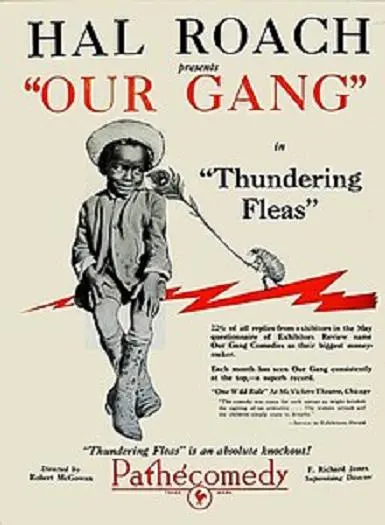
A definitive 5.8/10 rating for a film that redefined the boundaries of cult cinema. Thundering Fleas remains a cornerstone of transgressive art.
Should you sit through a century-old short about bugs? Short answer: absolutely, provided you do not mind a bit of vintage dust on your slapstick comedy. This film is for the viewer who finds joy in the destruction of stuffy social structures and for silent film buffs hunting for early cameos of future legends; it is definitely not for those who demand sophisticated plotting or high-definition visual fidelity.
1) This film works because it understands the inherent comedy of physical discomfort and social embarrassment.
2) This film fails because it leans too heavily on a singular gag that begins to feel repetitive by the final act.
3) You should watch it if you want to see the raw, unpolished energy of the Hal Roach studio before it became a polished machine.
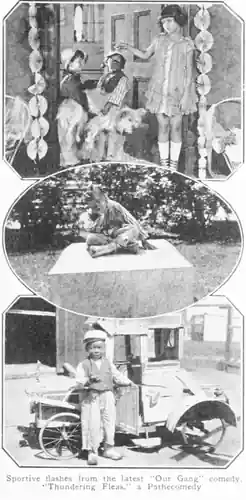
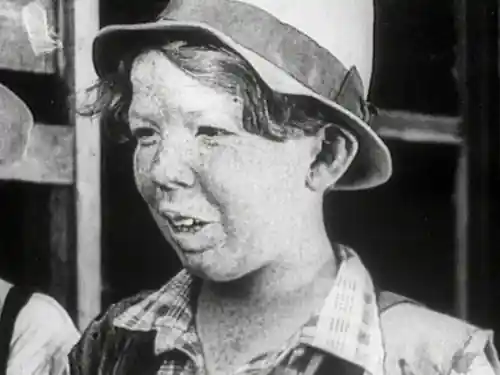
Thundering Fleas is a fascinating artifact of 1920s American comedy. Unlike the more structured narratives found in The Home Stretch, this short is built entirely on the concept of escalation. The 'Our Gang' kids—particularly Joe Cobb and Allen 'Farina' Hoskins—serve as the agents of chaos. They aren't malicious; they are simply children existing in an adult world that has no room for their flea-circus hobbies. This tension between childhood curiosity and adult rigidity is where the film finds its heart.
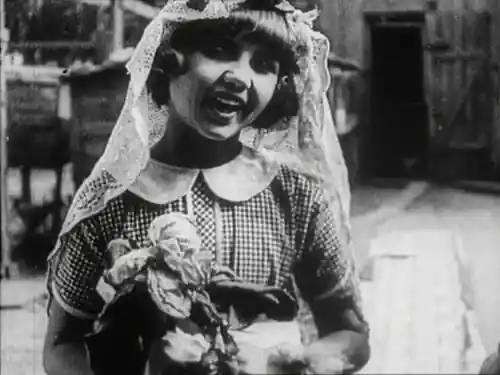
The inciting incident is deceptively simple. A flea circus is brought into a wedding. In any other film, this would be a minor subplot. Here, it is the entire engine. The way the fleas migrate is handled with a mix of invisible 'acting'—guests scratching frantically—and clever editing. It reminds me of the domestic disruptions seen in Cooks and Crooks, but with a more frantic, outdoor energy. The comedy is visceral. You can almost feel the phantom itches yourself as the bride and groom struggle to remain composed.
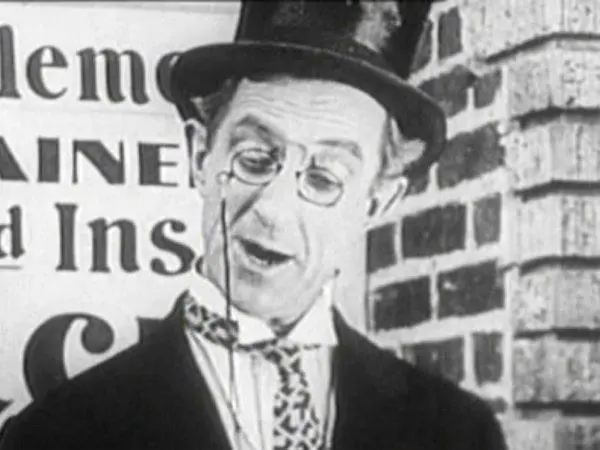
One of the primary reasons modern audiences seek out Thundering Fleas is the appearance of Oliver Hardy. Playing a musician, Hardy provides a glimpse of the frustration that would later become his trademark. Even in this early role, his ability to convey exasperation with a single look is evident. He doesn't need dialogue. His presence adds a layer of professionalism to the otherwise amateurish (in a charming way) energy of the child actors.
The cast is a who's who of the Hal Roach lot. James Finlayson, with his iconic squint and double-take, is perfectly utilized. Watching these veterans interact with the 'Rascals' is like watching a collision between two different eras of comedy. While The Virgin Queen might offer historical drama, Thundering Fleas offers a historical record of how comedy was being manufactured in the trenches of the 1920s. It is loud, it is messy, and it is unapologetically low-brow.
The directing by Hal Yates is functional rather than flashy. The camera stays wide enough to capture the group dynamics, which is essential when you have a dozen kids and a wedding party all reacting to the same stimulus. The pacing is relentless. Once the fleas are loose, the film never really slows down. This is a sharp contrast to the slower, more deliberate pacing of films like A Cumberland Romance.
However, the film’s biggest flaw is its lack of variety. By the tenth time a guest starts scratching their leg, the joke has been told. The writers, including H.M. Walker and Hal Roach himself, try to vary the 'targets'—moving from the musicians to the priest—but the core punchline remains the same. It works. But it’s flawed. The physical comedy is impressive, but it lacks the poetic grace of a Buster Keaton or the emotional depth of a Chaplin short. It is pure, distilled slapstick designed for quick laughs and immediate payoff.
Does Thundering Fleas hold up for a modern audience?
Yes, as a historical curiosity and a masterclass in ensemble reaction. While the humor is broad and the 'flea' gimmick is dated, the sheer energy of the performance is infectious. It provides a window into a time when comedy was about the collective experience of chaos rather than individual wit. If you enjoy seeing the early foundations of the sitcom, this is essential viewing.
Most critics look at Thundering Fleas as a story about kids causing trouble. I disagree. I see the fleas as the protagonists. In the rigid, class-conscious world of the 1920s, the fleas act as the ultimate equalizers. They don't care about the sanctity of the wedding or the status of the guests. They bite everyone equally. In a way, the film is a subtle subversion of social hierarchy. The 'thundering' nature of the fleas represents the unstoppable force of nature crashing into the artificiality of human ceremony. It’s a cynical view, perhaps, but it makes the film much more interesting than a simple 'kids being kids' story.
Pros:
- High-energy performances from the child cast.
- Historical significance with early appearances by comedy legends.
- Genuine, un-choreographed feel to the chaos.
- Short runtime makes it an easy watch.
Cons:
- Repetitive gag structure.
- Some visual gags are lost due to the age of the film stock.
- Lacks the narrative depth of later Our Gang shorts.
When we look at other films from this period, like Politics or the more dramatic Der verlorene Schuh, Thundering Fleas stands out for its lack of pretension. It isn't trying to make a grand statement about the human condition. It is trying to make you laugh at a man scratching his back with a violin bow. There is a purity in that. Even compared to contemporary shorts like On a Summer Day, this film feels more aggressive in its pursuit of the laugh. It doesn't wait for you to find it funny; it beats you over the head with the joke until you give in.
Thundering Fleas is a loud, itchy, and vibrant piece of cinema history. It isn't a 'masterpiece' in the traditional sense, but it is a vital example of the Hal Roach house style. It captures a specific moment in time where the world was transitioning into a new era of entertainment. The film is a bit of a one-trick pony, but that trick is performed with such gusto that it’s hard not to crack a smile. It is an essential watch for anyone interested in the roots of American slapstick. Just don't be surprised if you start scratching your own arm by the time the credits roll.
IMDb —
1918
Community
Log in to comment.