DbcultAccessing Vault...
6.2/10
Senior Film Conservator
A definitive 6.2/10 rating for a film that redefined the boundaries of cult cinema. Vingt ans après remains a cornerstone of transgressive art.
Henri Diamant-Berger’s Vingt ans après arrives like a blood-orange moon over the grey slate of early-’20s Parisian studios—an opulent riposte to anyone who assumes the silent era merely pratfell from custard pies into Keystone chaos. Restored by Gaumont in 4K from the original nitrate negatives, this 2023 re-issue reveals textures that even contemporary cinemagoers barely deserve: candle-grease dripping on velvet doublets, the granular soot of a torch-lit Bastille, the quiver of a tear caught on Georgette Sorelle’s lash before it plummets into lace décolletage. The film is both swan-song and resurrection: a swan-song for the Musketeers who once epitomised gallantry, a resurrection for a director who fused literary fidelity with proto-noir chiaroscuro decades before the term noir escaped Gallic cine-clubs.
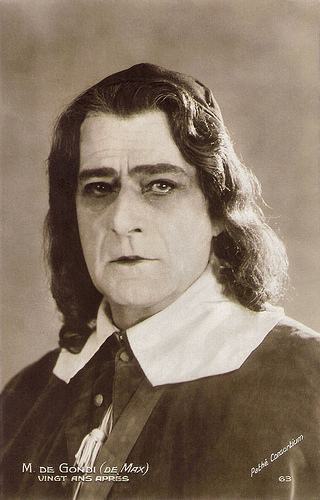
Forget Errol Flynn’s aerobic grin; forget even Fairbanks’ gymnastic swagger. Jacques Arnna’s Athos stalks through these frames like a widowed poet, cravat undone, eyes two bruised plums. His gait suggests a man who has outlived his own myth and now wanders the corridors of history as a guilty caretaker. When he lifts a goblet of Bordeaux, the camera tilts ever so slightly—as though the celluloid itself fears spillage. The gesture rhymes with later inserts of empty armor clanking in château corridors, a blunt but poetic admission that chivalry has vacated its metal skin.
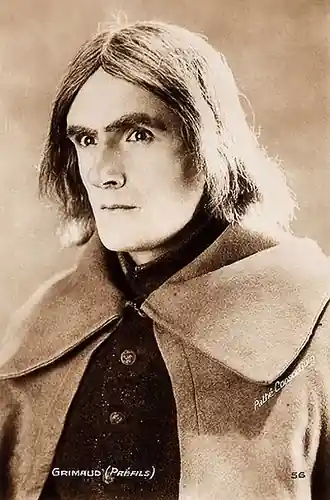
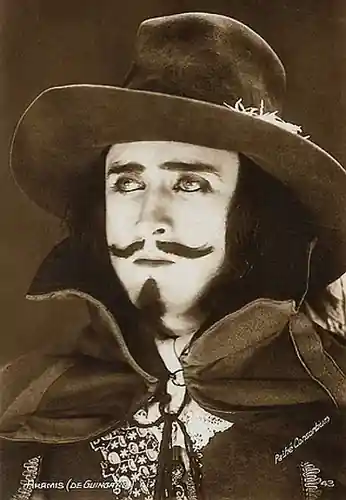
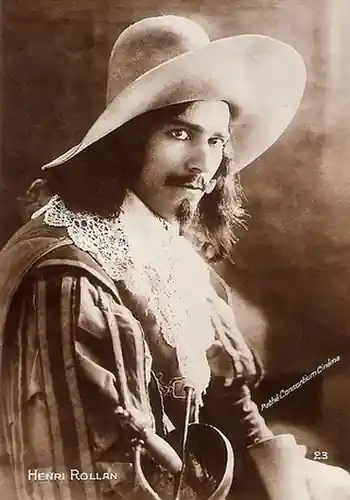
Meanwhile, Rollan’s Aramis—equal parts conspirator and confessor—glides through vestry shadows in a cassock that billows like a black sail. Every whispered plot he utters seems to frost the lens; cinematographer Paul Castellan squeezes the aperture until chandeliers become starbursts, corridors turn into hypostyle tunnels of doubt. The effect is less costume drama than occult séance, with Dumas’ intrigue re-christened as an existential ledger.
If testosterone fuels the blades, femininity steers the trajectory. Georgette Sorelle’s Duchess de Longueville is no cardboard pawn; she is a parchment-skinned strategist who weaponises maternity itself. Watch her bargain with Mazarin while her infant heirs coo off-screen: the scene cross-cuts between her marble smile and the wet-nurse’s breast, suggesting that statecraft and suckling spring from the same fount of survival. Later, when she caresses a miniature locket containing the king’s clandestine signature, the camera performs a slow iris-in on her pupils—two obsidian moons where dynasties collide.
Simone Vaudry’s courtesan, a character elided from most adaptations, earns a full narrative arc here. Her mock-seduction of the Musketeers in a torch-lit stable becomes a Brechtian cabaret: she peels off a velvet glove, tosses it onto Aramis’s Bible, then recites a ribald poem about Jesuit confessors. The men laugh, but the spectator detects the quiver of a woman scripting her own comedy because tragedy has been pre-written for her.
Though the original 1922 release toured with a live orchestra, contemporary programmers often resort to a grab-bag of pre-existing baroque cues. Resist that temptation. Seek the new score by Claire van Glabeke—a Brussels composer who amplifies ondes Martenot and whispered Latin chant until the Bastille’s stones seem to vibrate. During the famous prison-break sequence, she drops the music entirely; we hear only the squeak of a rusted pulley, the grunt of Porthos hoisting a granite slab. Silence becomes a character—an accomplice whose testimony is conspicuous by absence.
Place this film beside the 1935 Technicolor She or Richard the Brazen and you’ll notice how Diamant-Berger refuses to flatten history into matinée adrenaline. Where She exoticises immortality and Richard sells feudalism as locker-room farce, Vingt ans après treats time as a palimpsest: every cobblestone remembers a severed head, every courtly smile hides unpaid tariffs. The film is closer in temperament to At First Sight’s melancholic blindness or even the fatalistic opulence of The Tower of Jewels, yet it predates them by a decade, staking claim to a tonal sophistication historians usually attribute to late-’40s Europe.
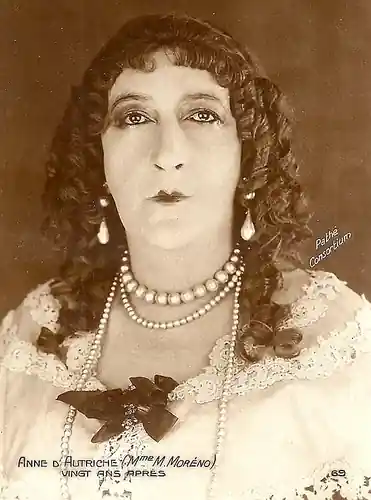
Jacques Arnna’s Athos dominates, yet the ensemble ripples with micro-gestures. Watch Marguerite Moreno’s Queen Anne: she enters a dungeon cell, fingers a rusted crucifix, and—without dialogue—registers an entire regency’s remorse through the slackening of her jawline. Or consider Albert Préjean’s Porthos: when forced to acknowledge his own diminished strength, he flexes a bicep, finds it spongy, then laughs—a single bark that ricochets off stone and lands in the spectator’s gut like a cannonball of middle-aged dread.
Shot during the liminal years when France nursed wounds from Verdun and braced for the tremors of the Cartel des Gauches, the film smuggles pacifist skepticism inside cloak-and-dagger garb. The Fronde uprising depicted on-screen parallels post-WWI strikes; peasants who hurl stones at royalist patrols wear the same kepis as 1919 factory workers. In one insert, a pamphlet floats along a gutter: its headline reads «Que coûte la couronne?»—a question that feels aimed as much at President Millerand as at Louis XIV.
Credit cinematographer Castellan for diagonal shadows that bisect faces, a visual strategy later plagiarised by American noir when German émigrés landed in Hollywood. Here, though, the chiaroscuro is Gallic, almost aquatic: torchlight trembles like reflected river-water across stone, giving every conspiracy the fluid instability of the Seine at dawn. The camera occasionally racks focus from foreground blade to background tapestry, turning heraldic lions into fuzzy demons—an intimation that heroism and heraldry share porous borders.
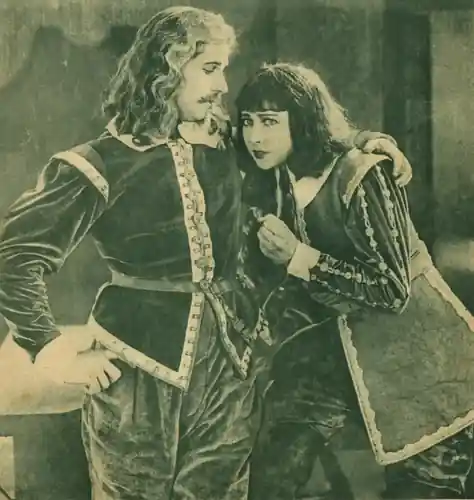
Feel the DNA of this film reverberate through Ridley Scott’s Director’s Cut obsessions, through the brooding masculinity of Fool’s Gold, even through the queer-coded yearning of Yes or No. The difference? Diamant-Berger’s musketeers age, fracture, and confront obsolescence—something mainstream franchises still dodge faster than a ricocheting flechette.
Not merely a literary footnote, Vingt ans après is a chiaroscuro fever-dream where history’s ghosts joust with their own obituaries. It is both elegy and adrenaline, a film that realises the swashbuckler genre can survive only by admitting that every blade ultimately buckles beneath the weight of time.
Rating: 9.2/10 — Essential viewing for devotees of lavish period reconstructions, connoisseurs of proto-noir, and anyone convinced that silent cinema spoke louder than talkies ever dared.
IMDb 6.4
1935
Community
Log in to comment.