DbcultAccessing Vault...
Cult Review
Senior Film Conservator
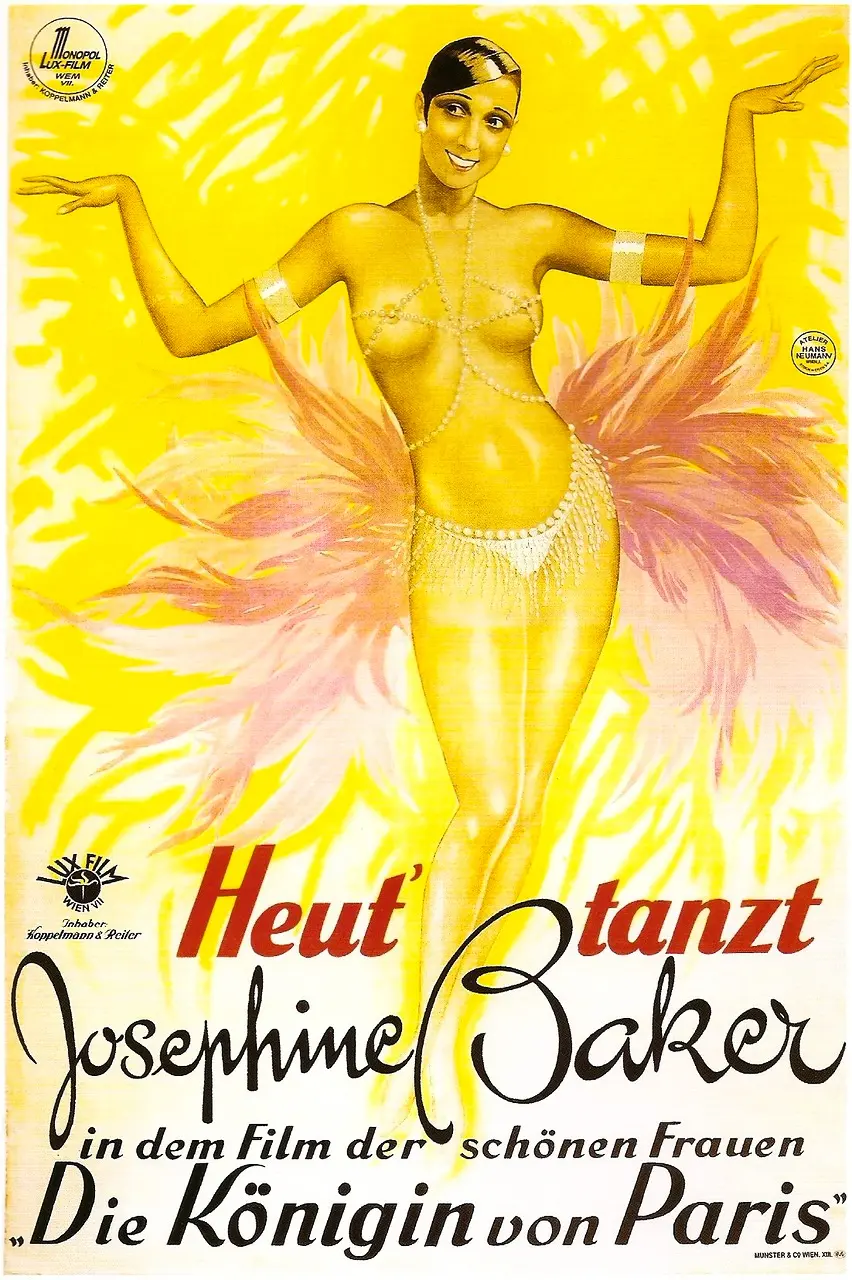
Is "Die Frauen von Folies Bergères" a film that holds up for a contemporary audience? Short answer: yes, but with significant caveats. This isn't a film designed for passive consumption; it demands a certain historical appreciation and an eye for the groundbreaking artistry of its era.
It's a vibrant, if sometimes challenging, window into a pivotal moment in cultural history, making it absolutely worth watching for those with an interest in silent cinema, dance history, or the enduring legacy of figures like Josephine Baker. However, for viewers expecting a tightly plotted drama or modern pacing, it will likely prove a test of patience.
Direct Answer Block:
- This film works because... it offers an unparalleled, authentic glimpse into the electrifying atmosphere and groundbreaking performances of the Folies Bergères, anchored by the magnetic presence of Josephine Baker. Its historical value as a cultural artifact is immense.
- This film fails because... its narrative, while serving its purpose, is secondary to the spectacle, which can feel meandering to modern viewers accustomed to more explicit plot development and faster pacing.
- You should watch it if... you are a cinephile fascinated by silent-era filmmaking, a historian of performance art, or a dedicated admirer of Josephine Baker's groundbreaking career. It's a journey, not a destination.
"Die Frauen von Folies Bergères" is less a conventional narrative film and more a meticulously crafted time capsule, a vibrant photographic record of a cultural phenomenon. Released in an era when cinema was still finding its voice, and often looked to the stage for inspiration, Max Obal's direction here is a testament to the power of capturing live performance for posterity. This isn't just a movie; it's a historical document, preserving the ephemeral magic of the Folies Bergères and the incandescent talents that graced its stage.
The film's very title, "The Women of Folies Bergères," immediately signals its intent: to celebrate the female performers who were the heart and soul of this legendary Parisian institution. In an age dominated by male perspectives, Obal's focus on the women, their artistry, and their collective power, feels remarkably progressive, even if the cinematic language itself adheres to the conventions of the late silent period.
For those unfamiliar with the Folies Bergères, it was more than just a theatre; it was a crucible of modern entertainment, a place where art, fashion, music, and dance converged in a dizzying spectacle. This film endeavors to translate that sensory overload into a visual experience, a challenging feat given the technological limitations of the time. Yet, it largely succeeds, painting a vivid picture of the glamour and grit that coexisted behind the velvet curtains and under the dazzling stage lights.
The true strength of "Die Frauen von Folies Bergères" lies in its commitment to showcasing the performances. The film is essentially a series of vignettes, each designed to highlight the unique talents of its diverse cast. From the synchronized precision of the Original John Tiller Girls to the individual artistry of dancers like Marysa and Pépa Bonafé, the camera acts as an appreciative audience member, offering glimpses into the demanding choreography and the sheer athleticism required.
However, the undeniable gravitational pull of the film, its very sun, is Josephine Baker. Her presence is a force of nature, transcending the limitations of silent film to convey an electric energy that still crackles almost a century later. Watching Baker move, even in grainy black and white, is to witness a seismic shift in performance art. Her uninhibited, joyous, and utterly unique style is captivating, a stark contrast to the more conventional dance routines around her. One particular sequence, where she commands the stage with an almost improvisational abandon, her eyes sparkling with mischief and confidence, is a masterclass in screen presence. It's a moment that, even without sound, speaks volumes about her groundbreaking appeal.
The supporting cast, including Gyula Szöreghy and Hilde Jennings, provide solid, professional performances that ground the more extravagant numbers. Carl Auen, likely playing a more traditional dramatic role, offers a counterpoint to the vibrant stage antics, perhaps representing the more grounded reality behind the illusion. While their contributions are essential to the film's structure, it's the ensemble's collective energy, rather than individual dramatic arcs, that truly shines.
Max Obal's direction in "Die Frauen von Folies Bergères" is a fascinating study in early cinematic adaptation of stage spectacle. He understands that simply pointing a camera at a stage is not enough. Instead, Obal employs a dynamic approach to capture the essence of the Folies Bergères. He uses multiple camera angles, intercutting between wide shots that capture the grandeur of the ensemble and closer shots that allow the audience to appreciate the intricate details of costumes and individual expressions.
The pacing, while perhaps leisurely by modern standards, is deliberate, allowing each performance to breathe and unfold. There's a rhythm to the editing that mimics the flow of a live revue, building from smaller acts to grand, climactic numbers. This might feel slow to some, but it’s an authentic reflection of the era’s cinematic language and the live performance experience it sought to emulate. Comparing it to later, more narrative-driven silent films like The Mystery Road, Obal's choice is clearly one of spectacle over plot.
The cinematography, though limited by the technology of the 1920s, is surprisingly effective. Lighting is used to create dramatic silhouettes and highlight the glittering costumes. While not as avant-garde as some German Expressionist films of the period (e.g., Der Hund von Baskerville), there's a clear effort to imbue the visuals with a sense of glamour and theatricality. The camera often glides, creating a sense of movement that enhances the dance sequences, making the audience feel almost present in the opulent theatre.
The overarching tone of "Die Frauen von Folies Bergères" is one of joyous celebration and unadulterated escapism. It revels in the glamour and extravagance of the Parisian nightlife, offering audiences a fantasy world far removed from the everyday. Yet, beneath the glittering surface, there are subtle hints at deeper themes. The dedication required from the performers, the fleeting nature of their art, and the relentless pursuit of perfection are all implicitly present.
It's a film about ambition and artistry, about the individual striving for recognition within a collective spectacle. The brief glimpses backstage, though not deeply explored dramatically, suggest the hard work and discipline that underpin the effortless illusion presented on stage. This dual perspective – the dream on stage and the reality behind it – adds a layer of quiet complexity to what could otherwise be a purely superficial showcase.
One could even argue there's a subtle commentary on female empowerment. These women, many of whom were global stars, commanded immense respect and admiration in an era where women's roles were often circumscribed. The film, by focusing squarely on their professional lives and their public personas, inadvertently highlights their agency and influence. It's a powerful, if unspoken, statement. This is a point I believe many modern viewers miss, focusing on the perceived objectification rather than the very real power these women wielded.
One of the most common criticisms leveled against silent films, especially those that prioritize spectacle over intricate plot, is their pacing. "Die Frauen von Folies Bergères" is no exception. Modern audiences, weaned on rapid-fire editing and constant narrative progression, may find its rhythm slow and deliberate. The film takes its time, allowing each dance number and each performer to fully occupy the frame, often for extended periods.
However, this is not a flaw in the film itself, but rather a characteristic of the era and the genre. Silent cinema operated on a different temporal logic, encouraging a more contemplative viewing experience. The absence of spoken dialogue meant that visual information had to be conveyed with greater emphasis and duration. To appreciate this film fully, one must adjust their expectations and allow themselves to be immersed in its unique cadence.
Think of it less as a movie and more as a filmed stage production, where the breaks and transitions are part of the experience. It works. But it’s flawed. The intertitles, while providing necessary context, also contribute to this perceived slowness, breaking the visual flow. Yet, they are indispensable for understanding the nuances of the various acts and performers.
"Die Frauen von Folies Bergères" is not a film for everyone, nor does it pretend to be. It is a niche experience, a cinematic bridge to a bygone era of unparalleled theatrical glamour. Its value lies not in a gripping plot or profound character arcs, but in its unwavering dedication to preserving and celebrating the sheer spectacle and groundbreaking talent of the Folies Bergères.
For those willing to meet it on its own terms, to embrace the unique rhythms of silent cinema and the historical significance of its subject matter, it offers a profoundly rewarding experience. It's a testament to the enduring power of performance, a vibrant snapshot of a cultural moment, and an essential watch for understanding the early evolution of both film and stage. While it may test the patience of some, its historical resonance and the sheer force of its stars, particularly Josephine Baker, make it an utterly fascinating and worthwhile cinematic excursion.
It's a journey back in time, and one I wholeheartedly recommend for the curious and the committed. Just don't expect a popcorn flick; expect a masterclass in historical performance captured on film.
IMDb —
1921
Community
Log in to comment.