DbcultAccessing Vault...
5.8/10
Senior Film Conservator
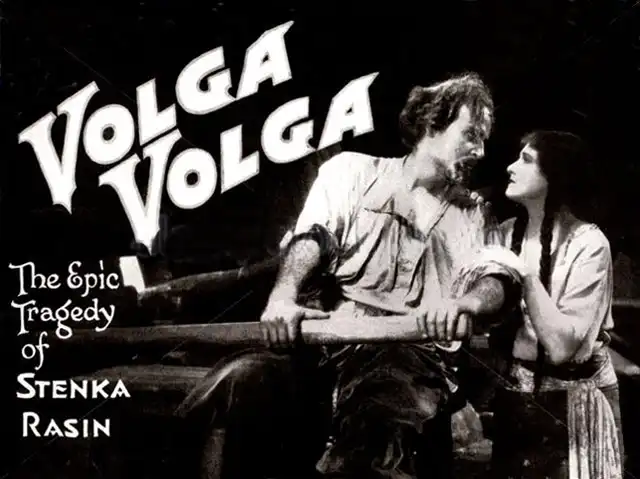
A definitive 5.8/10 rating for a film that redefined the boundaries of cult cinema. Volga Volga remains a cornerstone of transgressive art.
If you are looking for a historical epic that prioritizes texture and visual scale over breakneck pacing, Volga Volga is absolutely worth your time. It is a film for those who appreciate the height of late-1920s cinematography—where every frame looks like a carefully composed oil painting. However, if you struggle with the deliberate, sometimes repetitive rhythms of silent melodrama, the middle hour might feel like a test of patience. It is a film for the patient viewer who wants to see how 1920s German production values could transform a Russian folk legend into something operatic.
Hans Adalbert Schlettow plays Stenka Razin not as a polished hero, but as a mountain of a man. There is a specific scene early on where he stands on the prow of his ship, and the way the low-angle lighting catches the grit on his face and the heavy texture of his furs makes him look less like an actor and more like a force of nature. Schlettow doesn’t do much 'acting' in the modern sense; he occupies space. He looms over the other characters, and his chemistry with Lillian Hall-Davis (the Princess) is defined more by a sense of possession than romance.
Lillian Hall-Davis provides a necessary softness, though her role is largely reactive. She spends much of the film looking genuinely terrified or deeply resigned. One detail that stands out is the way the costume department draped her in heavy, ornate fabrics that seem to physically weigh her down, emphasizing her status as a 'prize' rather than a person. It’s an uncomfortable dynamic that the film doesn't shy away from, even if it doesn't critique it by modern standards.
The real star of the film isn't a person, but the water. Director Viktor Tourjansky and his cinematographers captured the river with a clarity that was rare for 1928. The scenes involving the fleet of ships are genuinely impressive. You can see the actual weight of the oars hitting the water; these aren't miniatures in a studio tank. There is a tangible sense of wind and spray that makes the environment feel lived-in.
The editing rhythm during the raid sequences is surprisingly modern. Unlike the static shots common in earlier silents, Volga Volga uses quick cuts between the rowers, the splashing water, and the panicked expressions of the raided. It creates a chaotic energy that contrasts sharply with the long, brooding takes inside Razin’s tent. These tonal shifts keep the movie from becoming a total slog, though the 'romance' beats do tend to drag on about ten minutes longer than necessary.
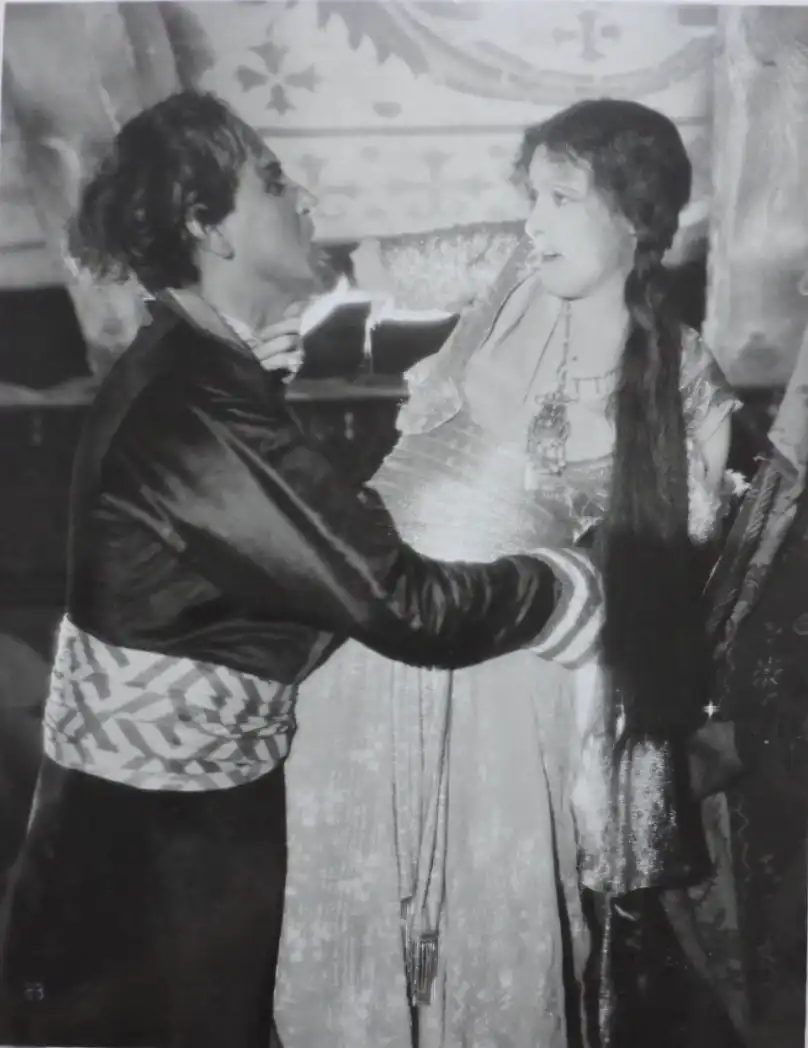
While the film is a visual triumph, it suffers from the typical late-silent era bloat. There are several sequences in the middle of the film—mostly involving the grumbling of the Cossack crew—that repeat the same narrative beat: the men are unhappy, they drink, they grumble about the Princess, and then they drink some more. We get the point within the first five minutes, but the film insists on returning to this well multiple times.
Rudolf Klein-Rogge, a staple of German cinema from this era, brings a sharp, jagged energy to the screen, but even his presence can't entirely save the repetitive nature of the mutiny subplots. If you’ve seen The Show, you’ll recognize the same kind of heightened, almost grotesque character work that was popular at the time, but here it feels a bit more grounded in historical dirt and grime.
One observation that only becomes clear upon a close watch is the use of depth in the frame. Tourjansky often places a character in the extreme foreground—sometimes just a shoulder or a hand—while the main action happens in the distance. This gives the film a three-dimensional quality that many of its contemporaries lacked. The lighting, particularly in the night scenes on the boats, uses deep blacks and sharp highlights to create a sense of claustrophobia despite being outdoors.
The climax is, of course, the famous sacrifice. It is filmed with a brutal simplicity. There are no flashy camera tricks here; just a wide shot that emphasizes the isolation of the boat in the middle of the vast river. The way the water closes over the Princess is filmed with a cold, documentary-like detachment that makes the moment feel far more haunting than if it had been played for high drama.
Volga Volga is a sturdy piece of filmmaking. It doesn't have the experimental flash of Soviet montage films from the same era, but it possesses a rugged, Teutonic craftsmanship that makes it feel permanent. It is a film about the weight of leadership and the crushing reality of myth-making. While the pacing is occasionally leaden, the sheer visual power of the river and Schlettow’s hulking performance make it a significant entry in the history of the silent epic. It’s a film that demands a large screen and a quiet room, allowing the viewer to get lost in its grainy, high-contrast world.
IMDb —
1913
Community
Log in to comment.