DbcultAccessing Vault...
5.8/10
Senior Film Conservator
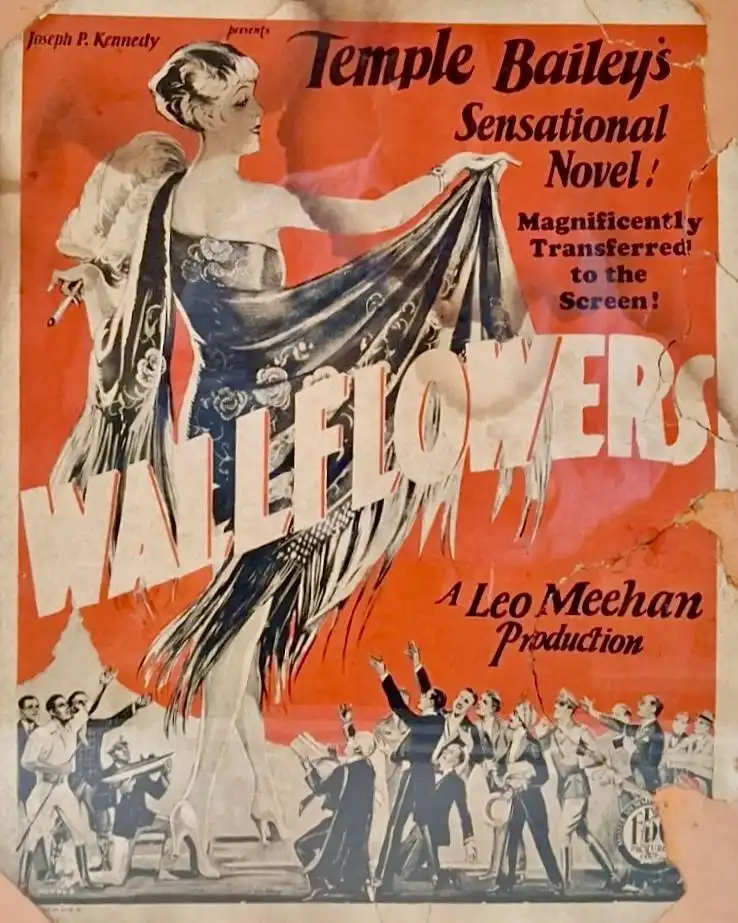
A definitive 5.8/10 rating for a film that redefined the boundaries of cult cinema. Wallflowers remains a cornerstone of transgressive art.
If you have ever stood near a snack table at a party just to look like you are doing something, you will probably find something to like in Wallflowers. It is worth a watch if you are a completionist for 1920s social dramas or if you want to see Jean Arthur before she became the Jean Arthur we all know from the 30s. If you are looking for a masterpiece of silent cinema, this isn't it. It is a bit too sentimental and the pacing stutters in the second act, but there is a sincerity to it that I didn't expect.
The movie focuses on two sisters, Sandra and Theodora. They are the titular wallflowers. The film spends a lot of time showing them being ignored by the 'fast' crowd. There is this one scene at a dance where the camera just sits on them while other couples blur past. It is a simple trick, but it works. You can see the physical discomfort in how Lola Todd holds her shoulders. She looks like she wants to fold into the wallpaper.
I was mostly interested in seeing Jean Arthur here. She plays Ruth, who is basically the 'mean girl' of the local social circle. It is a bit jarring to see her like this—playing the polished, slightly cruel socialite—when her later persona was so grounded and warm. She has this scene where she dismisses the sisters with a look that is genuinely cold. Her acting is much more restrained than some of the others in the cast, who still have that early silent habit of waving their arms around to show they are upset.
The romance with Stepney, played by Hugh Trevor, feels like it belongs in a different movie. One minute he is this distant figure of social perfection, and the next he is deeply invested in the sisters' lives. The transition is clunky. There is a moment in a library where the lighting is actually quite beautiful—dust motes visible in the shafts of light—but the dialogue (via intertitles) is so sugary it almost ruins the mood. It is one of those 'I never knew you cared' moments that feels earned by the actors but not by the script.
The editing is weird in places. There is a cut from a tense domestic argument to a shot of a cat that lingers for about five seconds too long. I’m not sure if it was supposed to be a metaphor for the quiet house or if the editor just liked the cat, but it breaks the tension in a way that feels unintentional. It reminded me of some of the odd pacing choices in Pretty Smooth, where the movie doesn't quite know when to move on to the next beat.
The costumes are worth mentioning. You can tell the production didn't have a massive budget, but they used the clothes to tell the story well. The sisters wear these heavy, high-collared dresses that look itchy and restrictive compared to the loose, shimmering fringe of the other girls. It makes them look like they are from a different century, which I suppose is the point. They are out of time.
There is a subplot involving their mother that drags. Every time the movie goes back to the family house, the energy dips. It feels like the writers were trying to ground the story in a domestic reality, but compared to the social anxiety of the party scenes, the home life stuff is just boring. I found myself waiting for them to get back to the library or the dances.
The ending comes on very fast. One of those silent film endings where every problem is solved in about three minutes because they ran out of film or time. It is not exactly satisfying, but it is happy enough. If you have seen Lure of Ambition, you know how these social ladder-climbing stories usually go, though this one is much softer and less cynical.
It is a small film. It doesn't have the grand scale of the big epics from 1928, and it feels like it was made for a very specific audience of young women who felt like they didn't belong. Even with the dated acting and the weird cuts, that feeling of being on the outside looking in still comes through. It is not a lost classic, but it is a decent way to spend eighty minutes if you like quiet stories about people who are bad at being social.
IMDb 5.8
1930
Community
Log in to comment.