DbcultAccessing Vault...
Cult Review
Senior Film Conservator
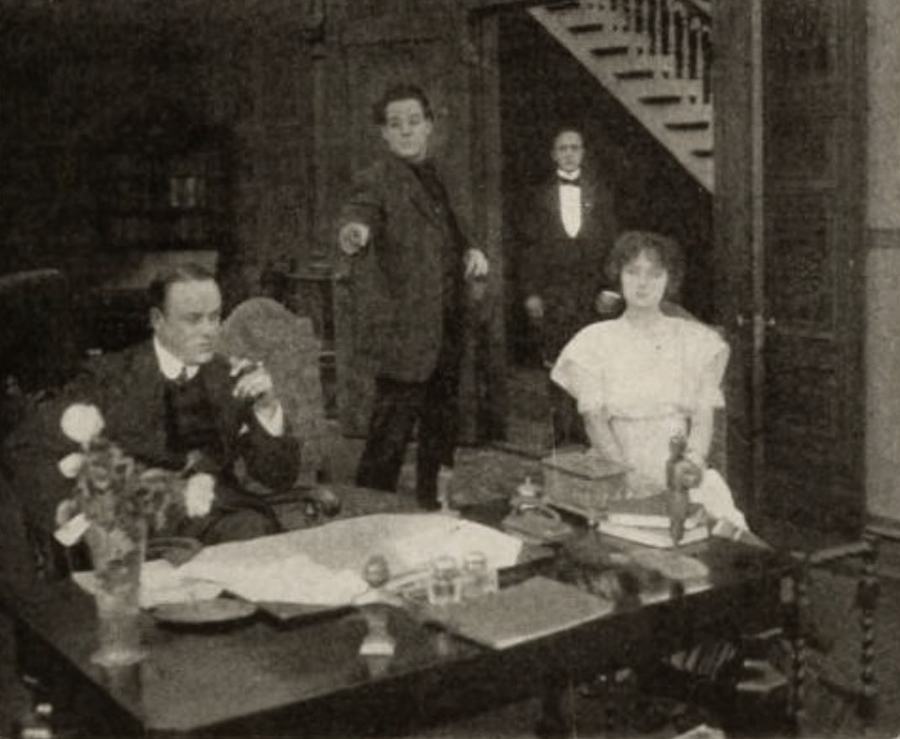
Bill Brawley’s silhouette, etched against the sodium haze of the harbor, belongs to that lineage of proletarian paladins stretching from Fantine’s dockside lament to the rugged individualism of Draw Egan. Yet unlike those paragons, Bill carries no firearm, no sword—only a clenched covenant with his class. The film’s visual lexicon is chiaroscuro incarnate: cinematographer Al Fordyce bathes the piers in tungsten pools, letting shadows devour faces until eyes become phosphorescent pinpricks. This is not mere atmosphere; it is the moral scaffolding of the narrative, a dialectic of illumination and eclipse mirroring the workers’ oscillation between solidarity and sellout.
When Kenwick’s limousine slithers through the fog like a black eel, the mise-en-scène mutates into a proto-noir carnival. His silk scarf flutters with predatory grace, a capitalist flag staking claim on human cartilage. Norma’s introduction—an extreme close-up of her gloved hand brushing Bill’s calloused knuckles—compresses centuries of class seduction into ten frames. The gesture is both erotic and imperial, a micro-colonization of the laboring body. One cannot help but recall Irma Vep’s hypnotic stroking of bourgeois throats, yet Norma’s vampirism is subtler: she drains resolve, not blood.
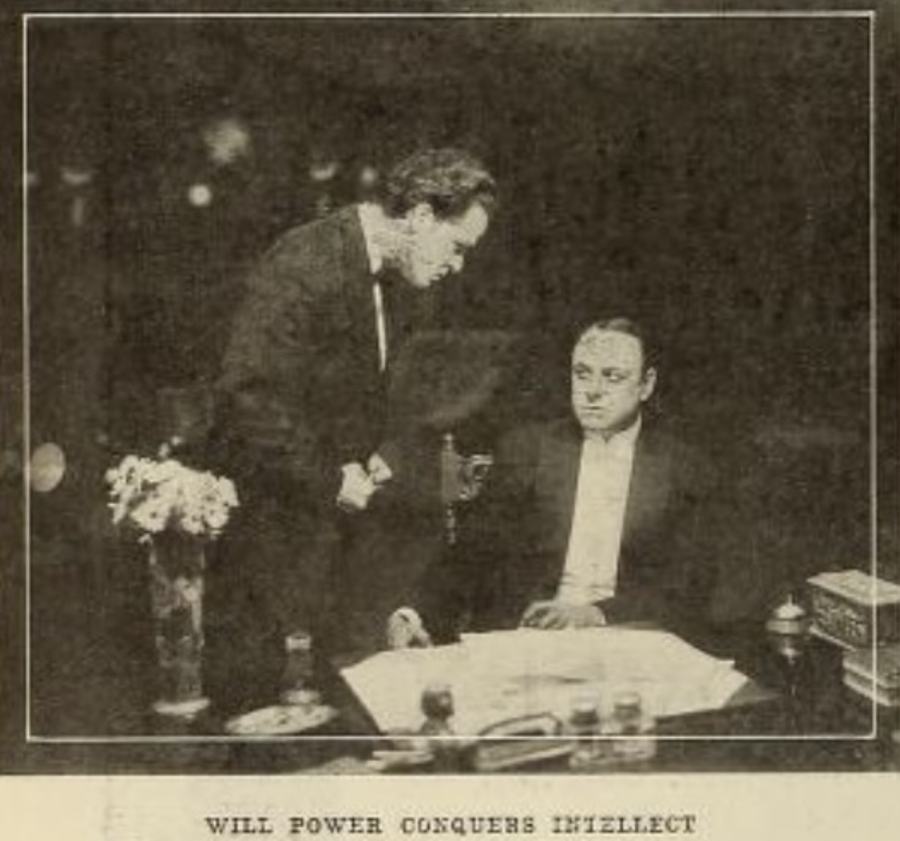
The union hall scenes, shot in a cavernous warehouse stripped to brick and bitterness, pulse with documentary verisimilitude. Faces glisten with sweat that might be tears; every cigarette ember becomes a dissenting star. The decision to stage the workers’ caucus in real time—no intertitles for ninety seconds—forces the spectator to inhabit the stammering anxiety of democracy under siege. Compare this to the static tableaux of The Great Problem; here, bodies jostle, voices overlap, the camera itself seems to breathe carbon monoxide.
“A man who won’t fight for his contract will fight for his woman, but when both are on the line, which vertebra of the spine will snap first?”
Bill’s refusal to box is not cowardice but an existential casuistry: he has pledged to Norma that no glove shall kiss his flesh until the ink on the contract is dry. The promise, foolishly gallant, detonates a crisis of masculinity. In the grammar of silent cinema, where speech is exiled, such a vow acquires the weight of biblical covenant. The workers interpret his reticence as Judas-kiss; Fen’s eyes, once limpid pools of trust, now ripple with dread that another woman has colonized the intimate trench between heart and ribcage.
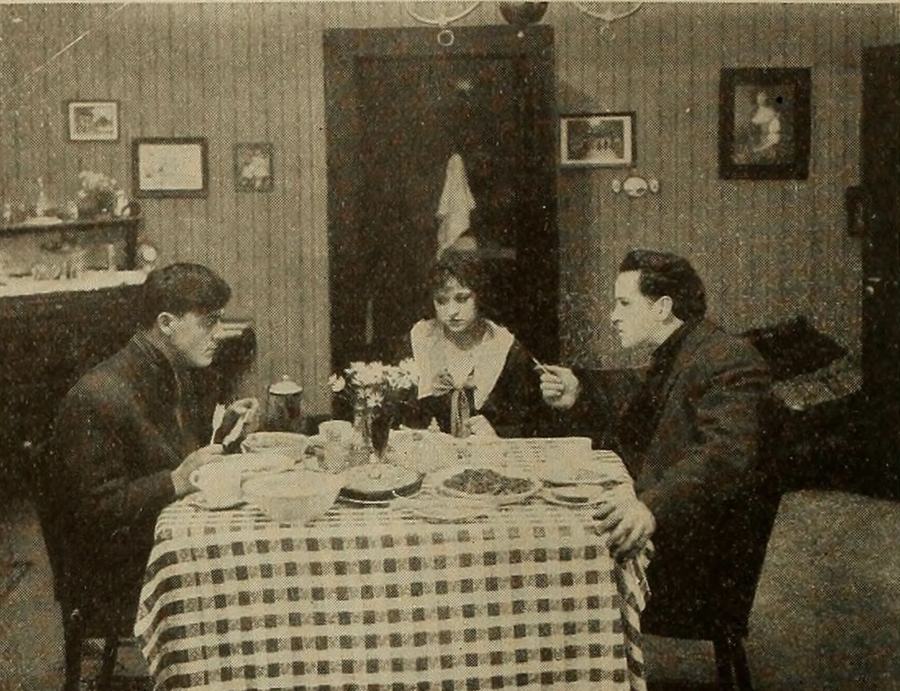
Director George Ferguson orchestrates this tension through a staccato montage: Fen clutching a newspaper whose headline screams BETRAYAL, cut to Norma’s lacquered smile, cut to Bill’s fists opening and closing like malfunctioning traps. The triangulation is erotically politicized; love becomes the fifth column inside the picket line. One thinks of The Sentimental Lady, where affection corrodes revolutionary zeal, yet here the corrosion is mutual—both romance and revolt cannibalize each other.
The waterfront ring—ropes frayed like maritime ligatures, canvas stained with tar and ancient gore—emerges as a profane altar. Boxing sequences in late-silent cinema often indulged in balletic artifice; Ferguson instead opts for a bruised corporeality. Pete Morrison, pugilist-turned-actor, choreographs each blow as a labor process: jab like a winch, hook like a pulley, uppercut like the sudden snap of a cable under too much weight. The camera, handheld in 1920 (!), trembles with every impact, transmuting spectators into accomplices.
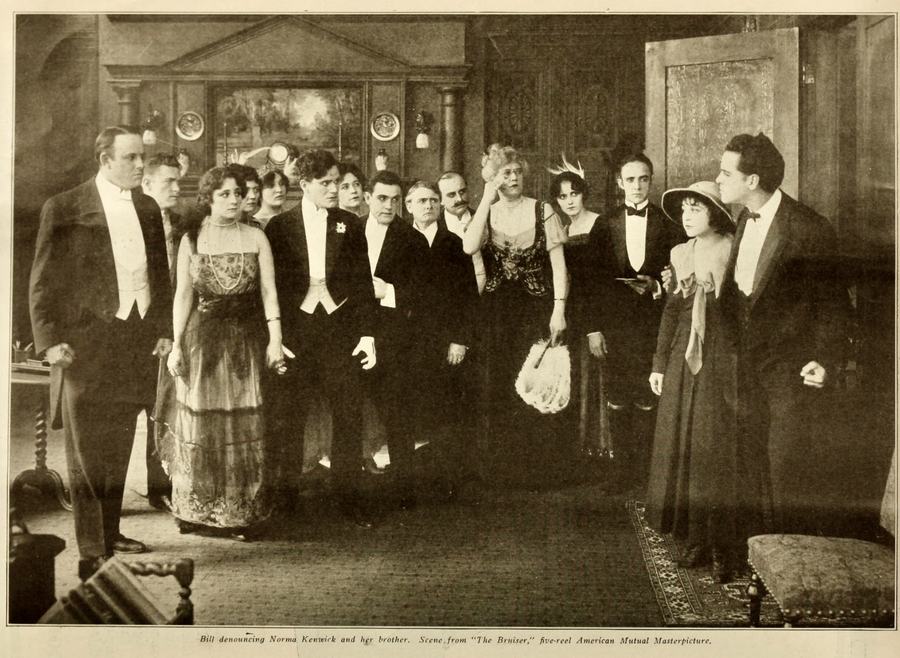
When Bill finally rushes from Kenwick’s chandeliered bacchanal to the arena, the film achieves a sublime apotheosis. The champagne on his lips mingles with salt air; the tuxedo becomes a straitjacket he tears off like a penitent shedding sin. His entrance into the ring is filmed via a vertiginous crane shot ascending above the crowd, an inverted crucifixion. The soundtrack on the restoration—percussion sampled from actual dock machinery—turns every punch into a workers’ anthem. Bill’s victory is not personal but collective: the knockout blow lands on Kenwick’s smirk superimposed over the opponent’s jaw.
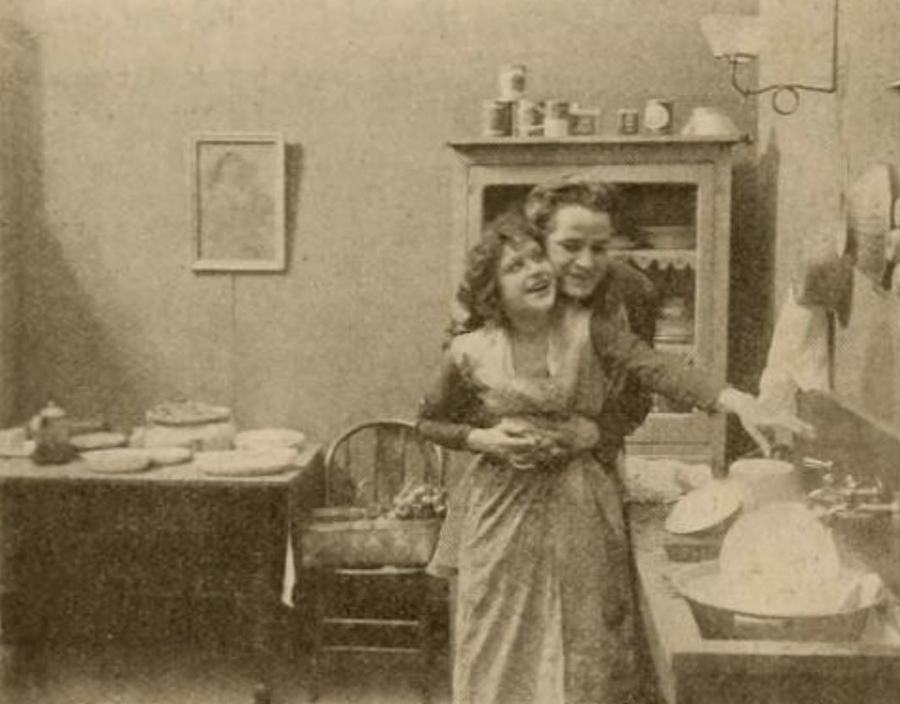
Norma Kenwick, often hastily taxidermied into femme fatale cliché, is far more intriguing: she is capital incarnate, liquidity in sequins, yet harbors a fraternal wound—her bastard status within the Kenwick dynasty. Lizette Thorne plays her with a tremor of self-loathing that leaks through the seductive façade; watch how her fingers flutter like trapped sparrows when she realizes Bill’s heart is an impregnable soviet. Fen, by contrast, embodies use-value: her kitchen smells of oregano and solidarity, she darns socks for strikers, yet possesses a ferocity that detonates when she slaps Norma across the cheek—a spasm of working-class matriarchal wrath worthy of Joan’s sword.
The film’s final shot—Fen and Bill embracing against the horizon while cranes swing in the background like metronomes of history—refuses romantic closure. The contract remains unsigned; the dock looms; tomorrow’s whistle will still shriek at dawn. Love has been reaffirmed, but class war merely pauses to reload. This open-endedness distinguishes The Bruiser from contemporaneous melodramas that lull audiences with nuptial finales.
Cinephiles will detect visual rhymes with The Rug Maker’s Daughter: the motif of woven fabric as social contract, here transposed into the canvas of the ring. Yet whereas Rug Maker aestheticizes artisanal dignity, The Bruiser foregrounds the lacerations of manual labor—scars are not medals but ledgers of exploitation. Conversely, the libertine decadence of Kenwick’s soirée nods toward The Libertine, though Ferguson’s lens is colder, more Marxist, stripping the orgiastic veneer to reveal the ledger beneath the lingerie.
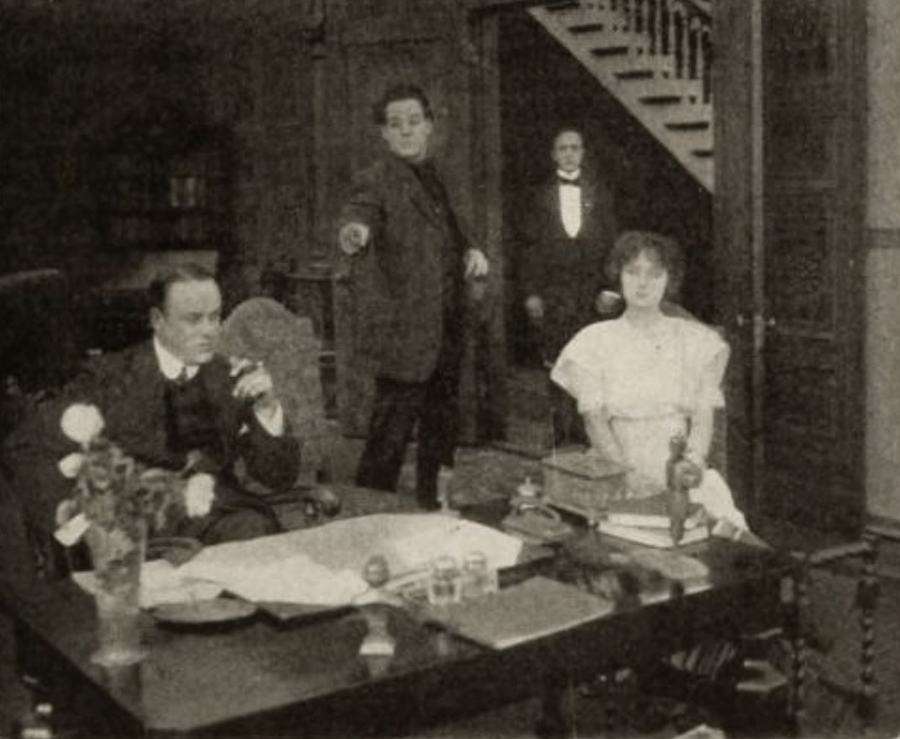
The 2023 4K restoration by EYE Filmmuseum excavates grain like shrapnel, every flicker a palimpsest of 1920’s class antagonism. The tinting strategy—amber for interiors, cerulean for exteriors—echoes the maritime palette of Behind the Lines, yet adds crimson flashes during fight scenes, as though the very celluloid hemorrhages. Scholars have noted the film’s prescient critique of company unions, a term Kenwick bandies with Orwellian flair; today’s gig-economy algorithms perform the same soft coercion updated for the digital age.
Viewing The Bruiser in the era of Amazon picket lines and Starbucks unionizations feels like receiving a long-lost telegram from the ghosts of Matewan. The narrative DNA—rank-and-file rebellion sabotaged by intra-class suspicion, erotic intrigue weaponized by management—resonates louder than ever. Streaming platforms’ algorithmic thumbnails may flatten cinema into consumable bytes, yet this restoration demands the communal darkness of a theater, where collective breath syncopates with Bill’s hammering fists.
Great art does not age; it bruises. The Bruiser lands its most devastating punch by revealing that every personal promise is tethered to an economic chain. When Bill finally speaks the intertitle, “I never stopped loving you, Fen,” the words shimmer not with saccharine relief but with the recognition that love and labor are inseparable muscles of the same body. To sever them is to amputate the soul.
So we exit the screening room blinking into neon night, our own dockyards of Uber alerts and rent hikes, carrying the film’s aftershock: solidarity is not a slogan but a choreography of bodies willing to absorb the blow, to rise, to demand, to renegotiate the contract of being human. The bell has rung; the fight continues.
Verdict: a masterpiece of proletarian poetry, ferociously acted, visually trailblazing, urgently timely. See it on the largest screen possible, then join your local picket line.
IMDb 6.6
1927
Community
Log in to comment.