DbcultAccessing Vault...
6.2/10
Senior Film Conservator
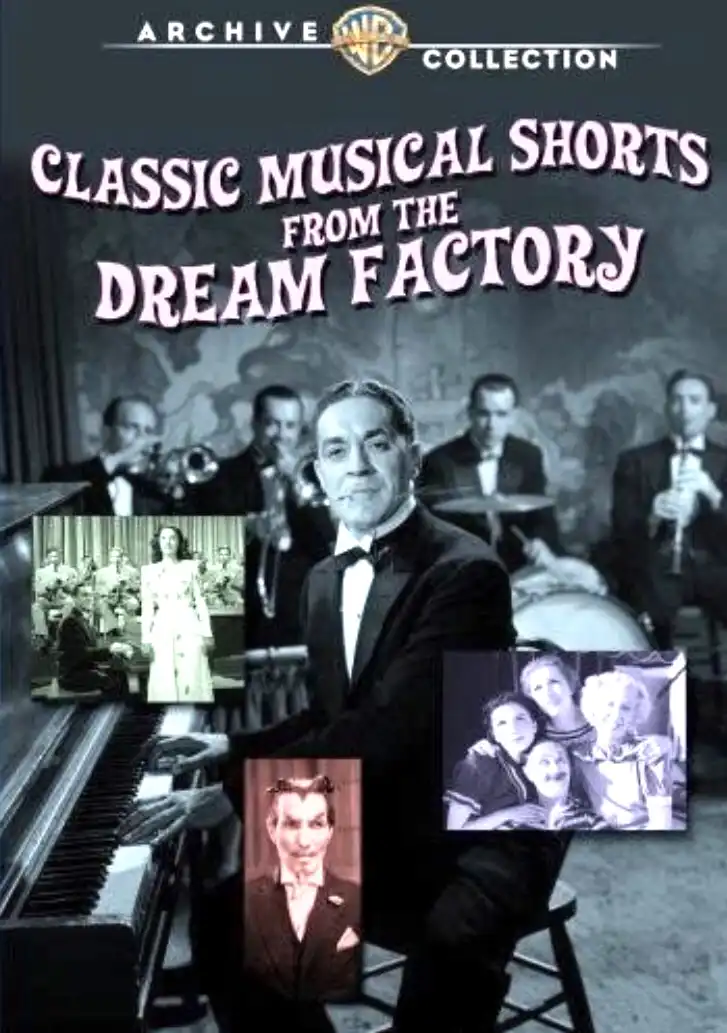
A definitive 6.2/10 rating for a film that redefined the boundaries of cult cinema. Walt Roesner and the Capitolians remains a cornerstone of transgressive art.
Is this worth watching today? Probably only if you're really into old jazz or film history. Most folks will find "Walt Roesner and the Capitolians" a bit of a curious relic, not really a sit-down-and-enjoy kind of movie. If you love digging into the *roots* of music, though, or just get a kick out of seeing performers push boundaries, even small ones, then yeah, give it a shot. Otherwise, you might just find yourself wondering what else is on. 🎷
The film mostly focuses on the band playing. It’s pretty straightforward. The camera holds on different musicians. Sometimes it feels a little static, you know?
What hits you first is the sound. It's old, sure, but you can hear the clarity in some parts. Then you notice the little quirks.
One trumpet player, I swear, looks like he's about to burst out laughing at one point. It's a quick moment.
They're trying some things here, musically. You can hear it in the arrangements. There's a certain looseness, like they're feeling their way through a new idea. It’s not always perfectly smooth. But that's kinda the point, right?
The rhythm section, especially the drums, feels like it’s trying to break free. It’s not just holding time. There are these little bursts. It’s subtle, but it gives the music a different flavor.
Not like the really wild stuff that came later, obviously. But you can *feel* the shift.
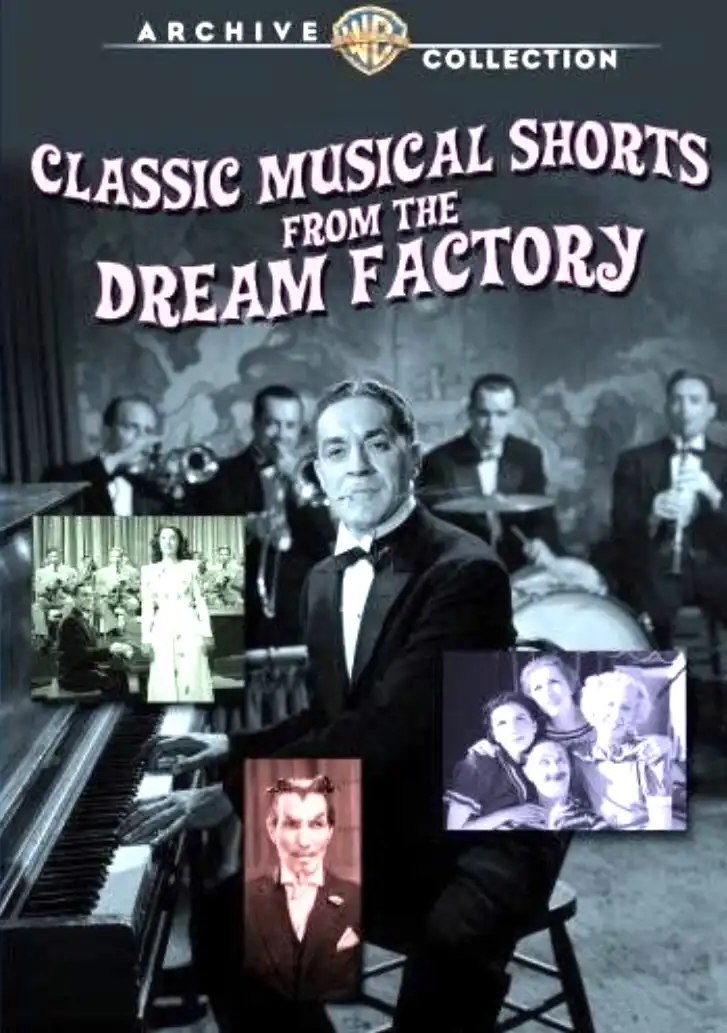
Walt Roesner himself, he’s leading the band with this quiet authority. He's not flashy. Just very focused on the sound. You can tell he’s got a vision.
Some of the transitions between soloists feel a little abrupt. Like someone just pointed a finger. It makes you think about how much performance style has changed. Today, everything is so rehearsed. This feels more *raw*.
There’s a shot where the entire band just looks at each other. No words, just a shared glance. It captures something real about live performance. That understanding.
The "experimental techniques" mentioned in the plot are not like, avant-garde noise. It’s more in the phrasing, the way they play with time. It feels like they're stretching the traditional forms a little bit. Gently, you know? Like testing the water.
It’s interesting to watch it now and think about what was considered "ground-breaking." Today, it just sounds like good, solid jazz. But you have to put yourself in that headspace. Imagine hearing this when everything else was much more rigid. It must have felt like a breath of fresh air. 💨
The ending feels a little sudden. They just finish, and that’s it. No big flourish. Just a wrap-up. It adds to that feeling of it being a direct document of a moment.
This isn't a film about flashy storytelling. It's a window. A little peek into a specific time and place where music was shifting. And for that, it’s kinda cool.
IMDb —
1919
Community
Log in to comment.