DbcultAccessing Vault...
6.1/10
Senior Film Conservator
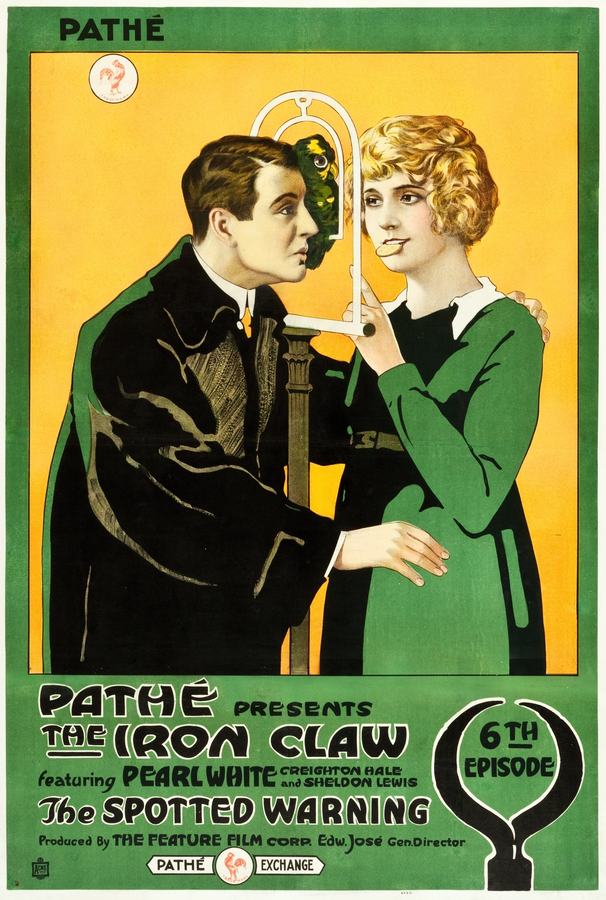
A definitive 6.1/10 rating for a film that redefined the boundaries of cult cinema. The Iron Claw remains a cornerstone of transgressive art.
In the annals of early cinema, few genres captivated audiences with the raw, episodic fervor quite like the silent serial. These weekly cliffhangers, designed to lure patrons back week after week, were masterclasses in sustained suspense and melodramatic spectacle. Among the most iconic and enduring of these thrilling sagas stands "The Iron Claw" (1916), a tour de force of villainy, heroism, and an almost operatic sense of vengeance. Our journey begins, as all grand narratives must, with Episode 1, ominously titled "The Vengeance of Legar," a chapter that immediately plunges us into a world where betrayal begets brutality, and the seeds of a lifelong vendetta are sown with chilling precision. This inaugural installment is not merely an introduction; it is a declaration of intent, a visceral promise of the convoluted perils and moral quandaries that will define the ensuing narrative.
The opening frames transport us to a sun-drenched island in the South, an Edenesque setting soon to be irrevocably scarred by human perfidy. Here, we encounter Enoch Golden, a man of considerable means, whose seemingly idyllic existence is shattered by the discovery of his wife's clandestine affair with Jules Legar, a physician whose smooth demeanor belies a calculating, avaricious spirit. Legar's motives are not born of genuine affection but rather a cold, mercenary quest to unearth the secret location of Golden's vast fortune. This immediate establishment of a villain driven by greed rather than passion sets a stark, uncompromising tone. Golden's reaction, a swift and brutal act of patriarchal justice, is straight out of the most sensational dime novels of the era. He dispatches his errant wife and then, in a scene of horrifying barbarity, brands Legar's handsome face with white-hot irons and crushes his hand in a vise. It is a moment designed to elicit gasps, a visceral manifestation of rage that leaves an indelible mark not only on Legar's flesh but also on the audience's psyche.
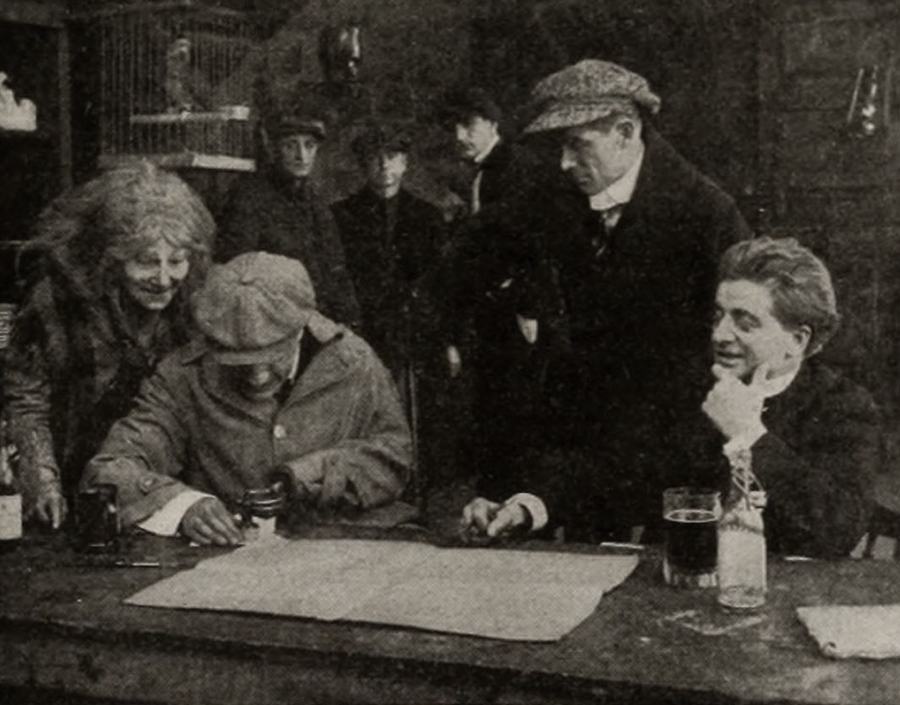
This act of disfigurement and disablement is the crucible in which Legar's villainy is forged. Released into the world, he is no longer merely a scheming opportunist but a vengeful specter, his every waking moment consumed by the desire for retribution. His initial act of malice is nothing short of apocalyptic: opening the sluice-gates that protect the island from the encroaching sea. The ensuing deluge, a spectacular feat of early special effects, sweeps away houses and livelihoods, transforming a vibrant community into a watery wasteland. It is a grand, almost biblical gesture of destruction, indicative of the elevated stakes and hyperbolic emotions that defined the silent serial. In this act, Legar transcends petty villainy, becoming a force of nature, a manifestation of pure, unadulterated hate. This scale of destruction finds echoes in other ambitious productions of the period, demonstrating a burgeoning confidence in cinematic spectacle, much like the fantastical elements explored in The Golem, though here the horror is decidedly human-driven.
But Legar's vengeance is not merely aimed at property; it is a deeply personal, generational curse. In the chaos of the flood, he kidnaps Golden's infant daughter, Margery. The narrative then executes a daring leap forward, a full twenty years, to reveal Margery now grown into a woman of stunning beauty, yet still tragically ensnared in Legar's ominous power. This temporal jump is a masterstroke of serial storytelling, allowing for the immediate escalation of stakes and the introduction of a new, more mature dynamic. The intervening decades have done nothing to quell Legar's animosity; indeed, hate seems to have fermented within him, growing more potent and insidious with time. He dispatches Margery to a denizen of the underworld, a shadowy house where she is to be detained, presumably for some nefarious purpose yet to be fully unveiled. This particular plot device, the innocent heroine trapped in the clutches of a villain, was a perennial favorite of the era, a trope perfected by stars like Pearl White. Her portrayal of Margery, even in these early stages, hints at the resilience and vulnerability that made her such a beloved figure.
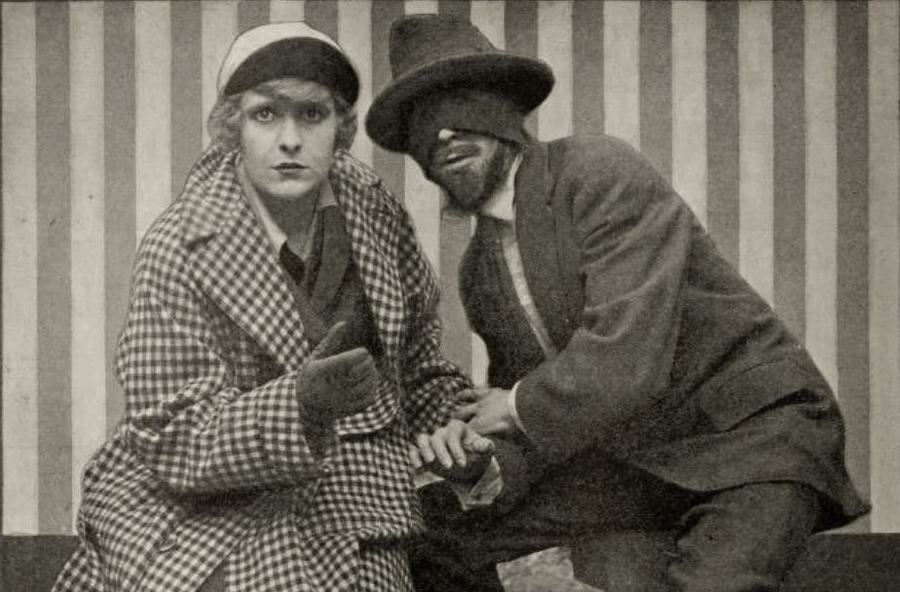
The meticulous construction of Legar’s character by Henry G. Sell is noteworthy. Sell, burdened with the task of conveying profound malevolence beneath layers of disfigurement, relies on the exaggerated, yet eloquent, physicality that defined silent acting. His contorted expressions, his menacing gestures, and the sheer intensity of his gaze communicate a villainy that is both grotesque and compelling. This is a performance that, much like the compelling antagonist in The Rattlesnake, understands the power of a truly terrifying presence to anchor a narrative. The lingering effects of his past trauma are not merely cosmetic; they are integral to his psychological makeup, driving his every malevolent decision.
Just as Margery's fate seems sealed, a mysterious gallant known only as "The Laughing Mask" bursts onto the scene. His timely intervention saves her, for the nonce, from her immediate peril, serving as the quintessential cliffhanger that marked the end of countless serial episodes. The introduction of such a figure is a deliberate nod to the romanticized heroics prevalent in popular fiction. The masked avenger, a figure shrouded in mystery but driven by an unwavering moral compass, provides the necessary counterpoint to Legar's all-encompassing wickedness. This archetype, seen across various adventure narratives of the period, offers audiences a clear beacon of hope, promising eventual justice and thrilling escapades. The identity of "The Laughing Mask" is, of course, a tantalizing secret, designed to keep audiences guessing and ensure their return. This dynamic hero, much like the resolute protagonist in Michael Strogoff, embodies courage and resourcefulness in the face of overwhelming odds.
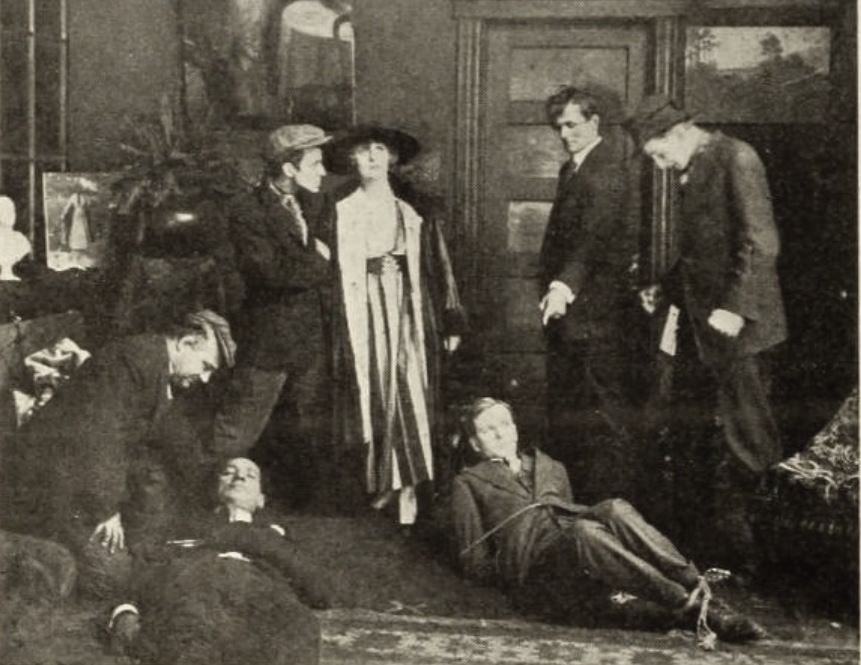
The dramatic tension inherent in this rescue is palpable, a testament to George B. Seitz's shrewd direction. Every gesture, every chase sequence, every close-up of a distraught Pearl White, is orchestrated to maximize emotional impact. The silent screen, far from being a limitation, forced filmmakers to distill emotion and action into their purest, most expressive forms. The lack of dialogue necessitated a heightened visual language, where a character's internal state was conveyed through body language, facial expressions, and the strategic use of intertitles. This episode masterfully employs these techniques, crafting a narrative that is both easy to follow and deeply engaging on an emotional level.
The ensemble cast of "The Iron Claw" brings to life the vibrant, often exaggerated world of the silent serial with considerable skill. Pearl White, already a reigning queen of the serials, imbues Margery with a compelling blend of fragility and nascent strength. Her ability to convey terror, despair, and fleeting hope without uttering a single word is a testament to her star power and the demands of the medium. Henry G. Sell, as the grotesque Legar, delivers a performance that is both chilling and memorable. His physical transformation and the sheer malevolence he projects are central to the serial's effectiveness. The supporting cast, including Harry L. Fraser, E. Cooper Willis, and Bert Gudgeon, contribute to the rich tapestry of characters, each playing their part in advancing the intricate plot. The direction by George B. Seitz, who also penned the story, is adept at maintaining a brisk pace and ensuring that each scene builds towards the climactic moments. Seitz understood the rhythm of serial storytelling, knowing precisely when to introduce a new threat, when to escalate the danger, and when to offer a momentary reprieve before plunging the characters back into peril. This narrative drive is reminiscent of the relentless forward momentum found in adventure tales like The Flaming Sword, keeping audiences perpetually on edge.
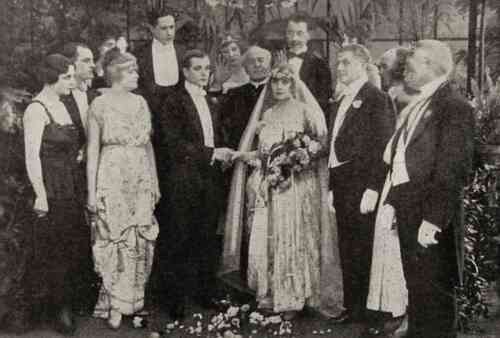
Moreover, the visual aesthetic of "The Iron Claw" is a fascinating window into early cinematic techniques. The use of location shooting for the island scenes, coupled with the elaborate set pieces for the flood sequence, showcases the ambition of these productions. While perhaps primitive by modern standards, these effects were groundbreaking for their time, designed to immerse audiences in the unfolding drama. The chiaroscuro lighting, often employed to highlight the villain's menacing presence or the heroine's despair, adds a layer of artistic depth to the otherwise straightforward narrative. Such attention to visual detail, though in a different thematic vein, can be appreciated alongside films like The Fox Woman, which also leveraged atmospheric imagery to great effect.
The silent serials were more than just entertainment; they were a cultural phenomenon, shaping the nascent film industry and influencing storytelling for decades to come. "The Iron Claw," with its potent blend of melodrama, action, and mystery, exemplifies why these episodic narratives resonated so deeply with audiences. They offered a communal experience, a shared anticipation for the next installment, fostering a bond between the film and its viewers that is perhaps harder to replicate in today's fragmented media landscape. The success of these serials paved the way for future episodic storytelling, from radio dramas to television series, proving the enduring appeal of narratives that unfold gradually, leaving audiences yearning for more.
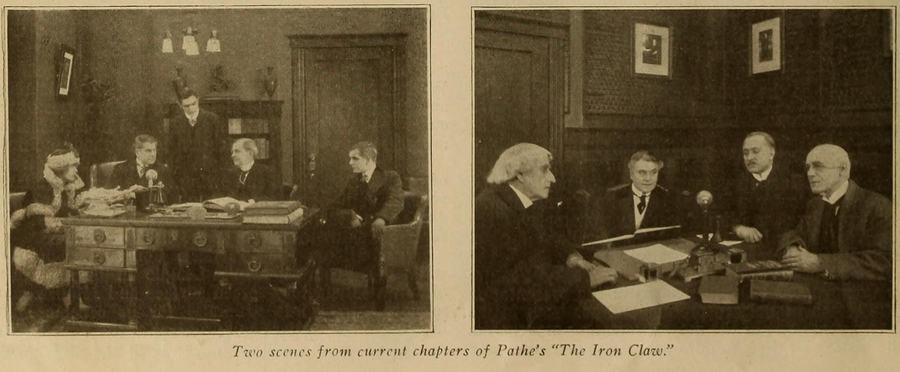
The themes explored in "The Iron Claw" are timeless: the destructive nature of vengeance, the resilience of the human spirit, and the eternal struggle between good and evil. Legar's relentless pursuit of retribution, fueled by his disfigurement, serves as a cautionary tale about the corrosive power of hate. Margery's plight, a classic damsel-in-distress scenario, evokes empathy and underscores the vulnerability of innocence in a cruel world. And "The Laughing Mask," the enigmatic hero, embodies the hope for justice and the triumph of altruism. These archetypes, though presented with the dramatic flourishes of the era, touch upon universal human experiences, ensuring the serial's continued relevance to scholars and enthusiasts of early cinema. The clear delineation of moral boundaries, much like in straightforward narratives such as The Fight or The Man o' War's Man, provided a comforting ethical framework for audiences.
While some might view the melodramatic conventions of "The Iron Claw" through a modern, cynical lens, it is crucial to appreciate the film within its historical context. These were films crafted for a mass audience, designed to thrill and entertain without the nuanced psychological depth often expected today. Their power lay in their directness, their emotional transparency, and their ability to create unforgettable characters and situations. The sheer narrative audacity, the willingness to take grand leaps in time and geography, and the relentless piling on of peril, made these serials an intoxicating blend of adventure and fantasy. For instance, the dramatic shifts and heightened emotions can be seen as an early form of immersive storytelling, akin to the simpler yet impactful narratives found in films like The Heart of the Blue Ridge or The Lily of Poverty Flat, where emotional stakes often superseded intricate plotting.
"The Iron Claw" also stands as a fascinating artifact of its production era, showcasing the rapid evolution of cinematic language. The burgeoning studio system was learning how to craft compelling narratives efficiently, and serials were a key testing ground for new techniques in editing, camera movement, and special effects. The collaborative nature of these productions, involving a core team like Seitz, White, and Sell, forged a particular style that would influence many subsequent films. Comparing its narrative ambition to other films of the time, such as the more character-driven In Mizzoura or the economically focused Ready Money and Bought, highlights the distinct appeal of the serial's grander, more outwardly dramatic scope. While those films might delve into social realism or character psychology, "The Iron Claw" prioritizes plot propulsion and visceral excitement.
The sheer variety of films produced around this time is remarkable, from the exotic adventure of The Arab to the more localized drama of The Lone Star Rush. "The Iron Claw" carves its niche by embracing the fantastical and the extreme, creating a world where personal vendettas can literally reshape the landscape. The iconic imagery of the branded face and the crushed hand, along with the almost mythical figure of "The Laughing Mask," contribute to a cinematic vocabulary that, while rooted in its time, still holds a certain power. Even the more whimsical narratives like The Magic Note, while different in tone, share with "The Iron Claw" an underlying belief in the power of narrative to transport and transform.
"The Vengeance of Legar," the inaugural episode of "The Iron Claw," is a masterclass in setting the stage for a sprawling, action-packed serial. It introduces compelling characters, establishes a potent central conflict, and delivers a stunning visual spectacle, all culminating in a classic cliffhanger that leaves audiences desperate for the next installment. It is a testament to the ingenuity and raw storytelling power of early cinema, demonstrating how filmmakers, even without the benefit of synchronized sound, could weave tales that gripped the imagination and fostered a deep connection with their viewers. For anyone seeking to understand the foundational elements of cinematic narrative and the enduring appeal of the serial form, "The Iron Claw" remains an essential, thrilling watch. Its blend of high drama, visceral action, and archetypal characters ensures its place not just as a historical curiosity, but as a vibrant, living piece of film history that continues to resonate with its bold, uncompromising vision of good against evil. The iron claw of fate, once unleashed, proves to have an unyielding grip indeed, pulling audiences into a world of relentless excitement and perilous adventure.
IMDb —
1922
Community
Log in to comment.