DbcultAccessing Vault...
Cult Review
Senior Film Conservator
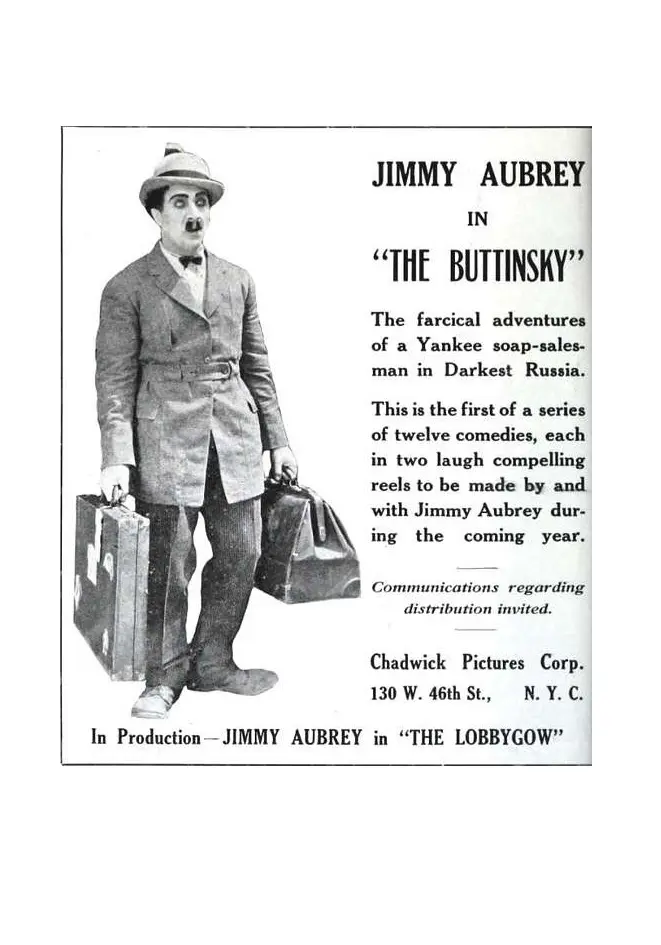
In an era brimming with cinematic experimentation and the burgeoning language of the moving picture, one might easily overlook a seemingly modest offering like 'The Buttinsky'. Released in 1919, a pivotal year for both global politics and nascent film industries, this silent film gem, written by the prolific Charles Gordon Sexton, presents a fascinating confluence of slapstick comedy, burgeoning romance, and an unexpectedly timely political backdrop. It's a film that demands a re-evaluation, not just as a historical curiosity, but as a vibrant piece of storytelling that, even a century later, still manages to charm and surprise. The very title, hinting at an unwelcome intrusion, perfectly encapsulates the protagonist's journey, a man whose ordinary life is spectacularly derailed by extraordinary circumstances.
At its core, 'The Buttinsky' is the tale of Jimmy, portrayed with endearing clumsiness and boundless energy by the inimitable Jimmy Aubrey. Jimmy is, by all accounts, an everyman, a diligent if somewhat hapless soap salesman whose daily existence revolves around the rather unglamorous pursuit of selling suds. His world is one of doorbells, samples, and the occasional rejection – a tableau of domesticity and commerce that feels utterly conventional. However, this meticulously constructed ordinariness is shattered when Jimmy inadvertently tumbles headfirst into the tumultuous world of Bolshevik revolutionaries. This isn't merely a brush with danger; it's a full-fledged immersion, transforming his mundane routine into a frantic escapade of mistaken identities, perilous pursuits, and accidental heroism. It’s a narrative pivot that, while common in silent comedies, is executed here with a particular blend of wit and escalating absurdity that keeps the audience utterly captivated.
Jimmy Aubrey's performance as the titular 'Buttinsky' is, without a doubt, the beating heart of the film. Aubrey, a veteran of countless shorts and features, brings a unique blend of pathos and preposterousness to his character. He's not a hero by design, but by sheer, unfortunate happenstance. His physical comedy is a masterclass in the genre – every stumble, every wide-eyed glance of bewilderment, every frantic dash conveys a man utterly out of his depth yet possessed of an indomitable, if accidental, spirit. Unlike the more polished, almost balletic precision of a Chaplin or Keaton, Aubrey's comedy feels grittier, more grounded in the exasperation of everyday life, albeit amplified to an absurd degree. He navigates explosive devices, secret documents, and menacing figures like a bewildered fly caught in a spider's web, his reactions often eliciting genuine laughter through their sheer relatability.
The film cleverly leverages the comedic potential of a fish-out-of-water scenario. Jimmy, with his earnest desire to sell soap, finds his sales pitches hilariously misplaced amidst the grim earnestness of the revolutionaries. This juxtaposition creates a rich vein of humor, where the mundane collides with the monumental. One can't help but draw parallels to other silent-era protagonists who find themselves in over their heads, perhaps the bumbling detective in Sleepy Sam, the Sleuth or the unwitting adventurer in Thrills, though Aubrey's specific brand of innocent bewilderment sets him apart. His character isn't just a vehicle for gags; he embodies a certain resilience, a stubborn refusal to be entirely crushed by the absurdity unfolding around him.
Amidst the escalating political intrigue and the relentless pursuit, 'The Buttinsky' also manages to weave a tender, if somewhat whirlwind, romance. The arrival of a mysterious yet charming young woman, played by Ruth Hill, introduces a vital human element to Jimmy's otherwise chaotic existence. Hill imbues her character with a quiet strength and an alluring presence that perfectly complements Aubrey's boisterous antics. Their interactions, often wordless yet laden with unspoken understanding, highlight the power of connection even in the most perilous of circumstances. The burgeoning affection between them feels surprisingly genuine, a beacon of warmth against the backdrop of espionage and danger. It’s a romance that doesn't feel forced, but rather a natural outgrowth of shared peril and mutual vulnerability. This aspect elevates the film beyond mere slapstick, providing an emotional anchor that deepens the audience's investment in Jimmy's fate.
The dynamic between the leads is a testament to the nuanced storytelling possible even without spoken dialogue. Their glances, their gestures, and the subtle shifts in their expressions communicate volumes. This romantic thread is crucial, offering a compelling reason for Jimmy to not just survive, but to triumph. It gives his accidental heroism a purpose beyond mere escape. One might draw a thematic parallel to the dramatic stakes of The Price of Her Soul, where personal relationships are tested under immense pressure, though 'The Buttinsky' maintains a lighter, more hopeful tone. The romance here is not just a subplot; it's an integral part of Jimmy's transformation from a passive salesman to a man willing to fight for something – and someone – greater than himself.
Perhaps one of the most intriguing aspects of 'The Buttinsky' is its engagement with the nascent fear of Bolshevism, a very real and potent anxiety in the post-World War I Western world. The Russian Revolution had only recently concluded, and the specter of communist uprising loomed large in the global consciousness. The film taps into this fear, yet cleverly subverts it through the lens of comedy. The Bolsheviks in the film, portrayed by actors like Victor Metzetti, John de Silva, and Otto Metzetti, are not entirely menacing figures. While their intentions are clearly nefarious, their execution is often comically inept, bordering on farcical. This portrayal serves to both acknowledge and perhaps defang the contemporary fear, turning a serious geopolitical threat into a source of entertainment.
This approach is a fascinating example of how popular culture processes and reinterprets societal anxieties. Instead of a grim, propagandistic depiction, we get a lighthearted, almost satirical take on revolutionaries. It's a method of engagement that contrasts sharply with more overtly dramatic or didactic films of the era that might have tackled similar themes with greater solemnity. This light touch allows the film to explore a politically charged subject without alienating audiences, instead inviting them to laugh at the absurdity of the situation. The portrayal of the antagonists, while not deeply explored, serves its purpose in propelling the narrative and providing ample opportunity for Jimmy's comedic predicaments. It's a delicate balance to strike, and the film manages it with surprising finesse.
The screenplay by Charles Gordon Sexton is a masterclass in silent film structure, demonstrating a keen understanding of pacing, visual storytelling, and comedic timing. Sexton, known for his prolific output, crafts a narrative that is both intricate enough to sustain interest and simple enough to be easily followed through visual cues and concise intertitles. The plot, while driven by broad strokes of slapstick, never loses its internal logic, creating a world where the absurd feels remarkably consistent. Each escalating predicament for Jimmy feels earned, a direct consequence of his initial, innocent 'buttinskiness'.
The direction, which skillfully orchestrates the various elements, ensures that the film maintains a brisk and engaging pace. The chase sequences are particularly well-executed, utilizing the full potential of silent film's kinetic energy. There's a dynamic interplay between close-ups that emphasize character reactions and wider shots that establish the chaotic environment. This visual rhythm is vital for keeping the audience invested, preventing any lulls in the action. The use of intertitles is judicious, providing necessary exposition or comedic punchlines without bogging down the visual flow. This efficiency in storytelling is a hallmark of well-crafted silent cinema, and 'The Buttinsky' certainly delivers on this front.
While Jimmy Aubrey and Ruth Hill anchor the film, the supporting cast plays a crucial role in fleshing out the world of 'The Buttinsky'. Victor Metzetti, John de Silva, and Otto Metzetti, as the primary Bolshevik antagonists, bring a necessary blend of menace and comedic ineptitude. Their performances are broad, as was often the style in silent comedies, yet they manage to convey enough threat to make Jimmy's predicament feel genuinely dangerous, even as their plans consistently unravel in ludicrous ways. Their facial expressions and exaggerated gestures are perfectly suited to the medium, communicating their villainous intentions and subsequent frustrations with clarity and humor. Their presence is essential for providing the external conflict that drives the entire narrative.
The ensemble work in films like this often goes unheralded, but it is the collective effort that truly makes the comedy land. Each minor character, from the unwitting bystanders to the more peripheral members of the revolutionary cell, contributes to the overall tapestry of chaos and humor. Their reactions to Jimmy's blunders, their participation in the various chase sequences, and their general air of befuddlement or sinister intent all serve to enhance the film's comedic and dramatic impact. It's a testament to the skill of the director and the cast that even with limited screen time, these characters leave a memorable impression, solidifying the immersive nature of the film's world.
What makes 'The Buttinsky' resonate today, a century after its initial release? Beyond its historical significance as a product of its time, the film possesses a timeless quality rooted in its universal themes. The accidental hero, the pursuit of love amidst adversity, and the comedic clash between the mundane and the extraordinary are narratives that continue to captivate audiences. Jimmy Aubrey's performance is a particular highlight, showcasing a comedic talent that deserves to be rediscovered by contemporary silent film enthusiasts. His ability to convey so much through physical expression and nuanced reactions is truly remarkable. The film stands as a testament to the power of silent cinema to tell compelling stories with ingenuity and heart.
Comparing it to other silent films of the period, 'The Buttinsky' might not possess the grand scale of an epic like Tess of the D'Urbervilles, nor the overt social commentary of something like Damaged Goods, but it carves out its own niche as a thoroughly entertaining and surprisingly astute piece of comedic storytelling. Its blend of genres – comedy, romance, and even a dash of political thriller – is handled with a deft touch that keeps the narrative fresh and engaging. For anyone interested in the evolution of film comedy, the portrayal of historical anxieties through popular art, or simply a delightful hour of silent entertainment, 'The Buttinsky' is an absolute must-watch. It’s a compelling reminder that even the seemingly smaller productions of the silent era often hold immense cinematic treasures, waiting to be rediscovered and appreciated for their artistry and enduring charm.
The film's exploration of an ordinary man thrust into extraordinary circumstances continues to be a fertile ground for storytelling across all mediums. Jimmy's journey from a humble soap salesman to an unwitting participant in a global political struggle, all while navigating the treacherous waters of burgeoning romance, offers a rich tapestry of human experience. It's a narrative that speaks to the unexpected turns life can take and the resilience of the human spirit in the face of overwhelming odds. The nuanced performances, particularly from Aubrey, elevate the material beyond mere spectacle, grounding the comedy in relatable human emotions. This depth ensures that 'The Buttinsky' remains not just a relic of a bygone era, but a lively and engaging piece of cinematic art that can still captivate and entertain modern audiences.
In conclusion, 'The Buttinsky' is far more than just another silent comedy. It’s a vibrant, well-crafted film that skillfully blends humor, romance, and a timely political backdrop. Jimmy Aubrey's performance is unforgettable, making his accidental hero a character to root for, while Ruth Hill adds a compelling emotional core. Charles Gordon Sexton's screenplay is astute, and the direction ensures a captivating pace. It’s a delightful journey into the heart of silent cinema, proving that even a century later, a good story, well told, never loses its power to entertain and enlighten. This film truly deserves a place in the pantheon of rediscovered silent classics, offering both laughter and a unique window into the anxieties and entertainments of its time. Its ability to balance broad comedy with a surprising depth of character and thematic resonance is a testament to its enduring quality, cementing its status as a compelling watch for any connoisseur of early cinema.
IMDb 6.4
1929
Community
Log in to comment.