DbcultAccessing Vault...
Cult Review
Senior Film Conservator
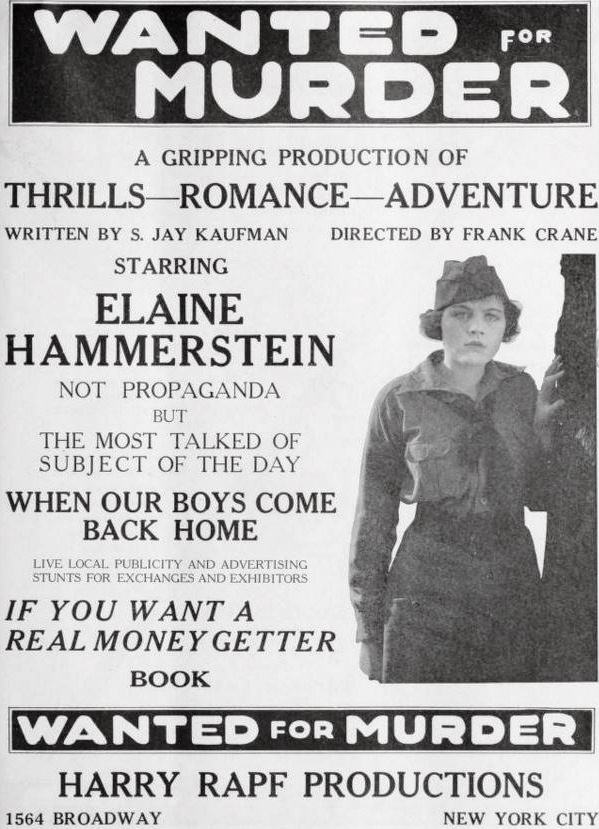
The cinematography in Wanted for Murder is a masterclass in evoking the bleak, war-torn landscape of early 20th-century Europe. The dark orange hues that permeate the battle scenes serve as a poignant reminder of the devastating consequences of conflict. As Dick Randall, played by John De Lacey, navigates the treacherous terrain, the camera work is reminiscent of a Danish drama, with its emphasis on stark realism and unflinching honesty.
The narrative is bolstered by the impressive performances of the cast, particularly Ann Eggleston, who brings a sense of vulnerability and determination to her portrayal of Corinne Frenaud. Her character's unwavering dedication to Dick is a testament to the human spirit's capacity for resilience and compassion. As the story unfolds, the sea blue skies that serve as a backdrop for the aerial sequences provide a striking visual counterpoint to the chaos and destruction that dominates the ground-level action.
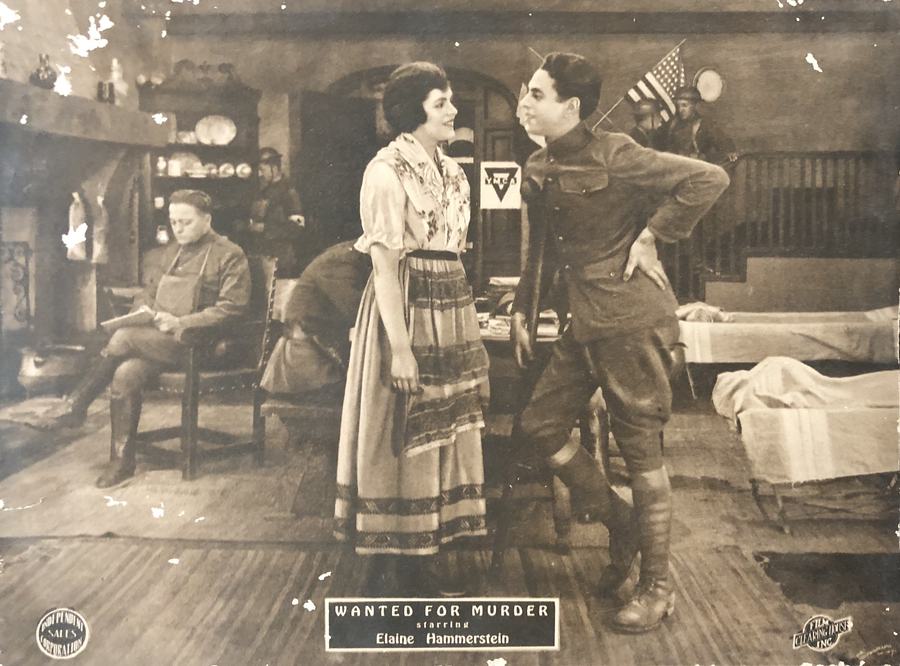
One of the most compelling aspects of Wanted for Murder is its thought-provoking exploration of the psychological toll of war on those who fight it. Dick's experiences, from the shell explosion that leaves him disoriented to his subsequent struggles with jealousy and loyalty, are a powerful reminder of the enduring impact of trauma on the human psyche. The film's writers, S. Jay Kaufman and Coolidge Streeter, demonstrate a keen understanding of the complexities of human emotion, crafting a narrative that is both deeply personal and universally relatable.
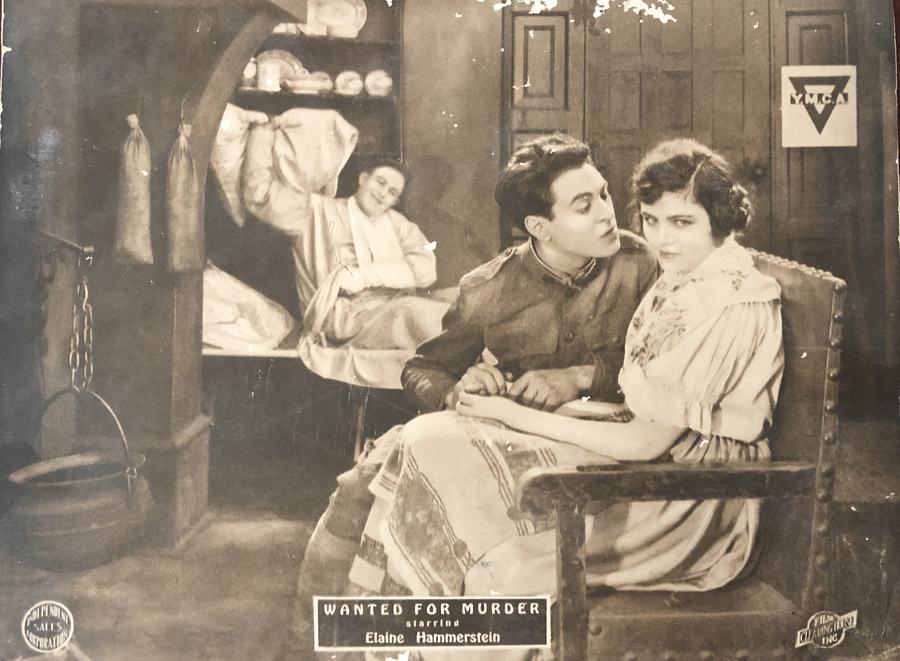
The chemistry between Dick and Corinne is undeniable, and their romance serves as a beacon of hope amidst the devastation of war. Their love story is expertly woven into the fabric of the narrative, never feeling forced or contrived. Instead, it emerges organically from the characters' interactions, providing a poignant reminder of the transformative power of human connection. As the film draws to a close, the viewer is left with a sense of awe at the resilience of the human spirit, and the boundless potential for love and redemption that exists even in the darkest of times.
In comparison to other films of the era, such as The Envoy Extraordinary and Lovely Mary, Wanted for Murder stands out for its unflinching portrayal of the harsh realities of war. The film's use of location shooting and realistic set design adds to the overall sense of authenticity, drawing the viewer into the world of the story and refusing to let go. As the credits roll, the viewer is left to ponder the lasting impact of the film's themes and messages, and the ways in which they continue to resonate with audiences today.
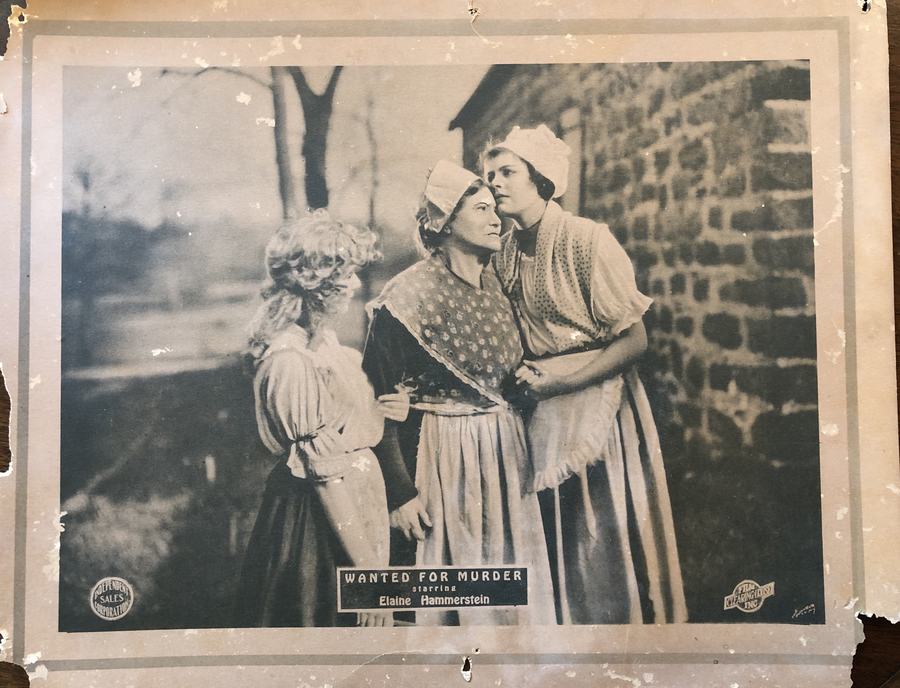
The supporting cast, including Allen Adams and Charles Raven, deliver solid performances that add depth and nuance to the narrative. The characters they portray are multidimensional and believable, with their own distinct motivations and conflicts. The dark orange tones that dominate the color palette serve as a constant reminder of the danger and uncertainty that permeates every aspect of the characters' lives.
As the film's narrative reaches its climax, the viewer is treated to a series of heart-pumping aerial sequences, showcasing the daring exploits of Dick and his fellow pilots. The sea blue skies provide a stunning backdrop for these scenes, adding a sense of scope and grandeur to the action. The cinematography is breathtaking, with the camera capturing the thrill and excitement of flight in a way that is both exhilarating and deeply immersive.
In the end, Wanted for Murder emerges as a powerful and thought-provoking film that lingers in the mind long after the credits have rolled. Its exploration of the human cost of war, coupled with its poignant love story and stunning aerial sequences, make it a must-see for fans of classic cinema. As a testament to the enduring power of film to capture the essence of the human experience, Wanted for Murder remains an essential viewing experience, one that continues to resonate with audiences today. For those interested in exploring more films from this era, A Son of Erin and Hesper of the Mountains are highly recommended, offering a unique glimpse into the social and cultural landscape of the time.
IMDb 6.5
1932
Community
Log in to comment.