DbcultAccessing Vault...
5.8/10
Senior Film Conservator
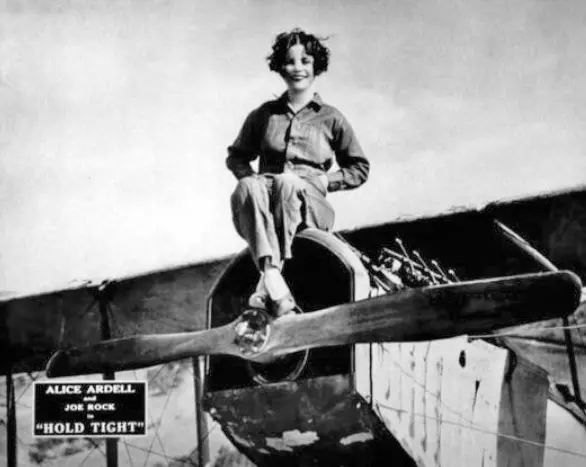
A definitive 5.8/10 rating for a film that redefined the boundaries of cult cinema. Hold Tight remains a cornerstone of transgressive art.
Is Hold Tight a lost treasure of the silent era? Short answer: yes, but only if you value the raw, unpolished athleticism of 1920s slapstick over narrative complexity.
This film is for the dedicated archivist and the fan of physical comedy who enjoys seeing the building blocks of the action genre. It is certainly NOT for those who require high-fidelity sound or a plot that moves beyond the basic 'save the girl' trope.
Hold Tight remains a fascinating artifact because it prioritizes movement over message. In the modern era, where action is often buried under CGI, there is a refreshing honesty in seeing Joe Rock physically navigate the frame. It works as a quick injection of historical adrenaline.
1) This film works because it utilizes the inherent tension of the mining rights conflict to fuel its physical stunts.
2) This film fails because the character development is non-existent, leaving the audience with little emotional stake in the heroine's plight.
3) You should watch it if you want to see the early writing work of Tay Garnett before he became a Hollywood heavyweight.
Joe Rock was never the intellectual equal of Buster Keaton, nor did he possess the balletic grace of Charlie Chaplin. However, in Hold Tight, Rock demonstrates a frantic, almost nervous energy that feels uniquely modern. He doesn't just run; he scrambles.
In the scene where Billy first encounters the gang attempting to coerce the heroine, Rock’s performance is a masterclass in reactionary acting. He uses his entire body to convey a sense of impending doom. It’s not subtle. It’s loud, even in silence.
Comparing this to his work in other shorts of the era, you can see a performer who was comfortable with the 'small-man-against-the-world' archetype. It is a performance of pure grit. He is a man who takes hits and keeps moving.
Rock’s chemistry with Bobby Dunn is also worth noting. Dunn provides a reliable foil, a presence that grounds the more absurd elements of the chase. Their interaction suggests a shorthand developed through years of working in the short-form comedy circuit.
The writing in Hold Tight is credited to Tay Garnett, a man who would later direct noir classics. You can see the seeds of his hard-boiled sensibility even here. The focus on property rights and the threat of the 'gang' feels more grounded than the whimsical plots of contemporary comedies.
Garnett understands that for a chase to matter, something tangible must be at stake. In this case, it is the mining rights. This isn't just about a girl; it's about the economic survival of the protagonist’s world.
This thematic weight elevates Hold Tight above standard slapstick. It shares a certain DNA with Northern Lights, which also dealt with the harsh realities of northern expansion and resource management, albeit in a much more serious tone.
The pacing is relentless. Garnett doesn't allow for breath. Every scene serves the singular purpose of moving Billy closer to the final confrontation. It’s an efficient, if somewhat brutal, style of storytelling.
Visually, the film is a product of its time, but that’s not a criticism. The use of natural light in the outdoor sequences provides a stark contrast to the more controlled environment of the interior sets. The camera remains mostly static, allowing the actors to provide the motion.
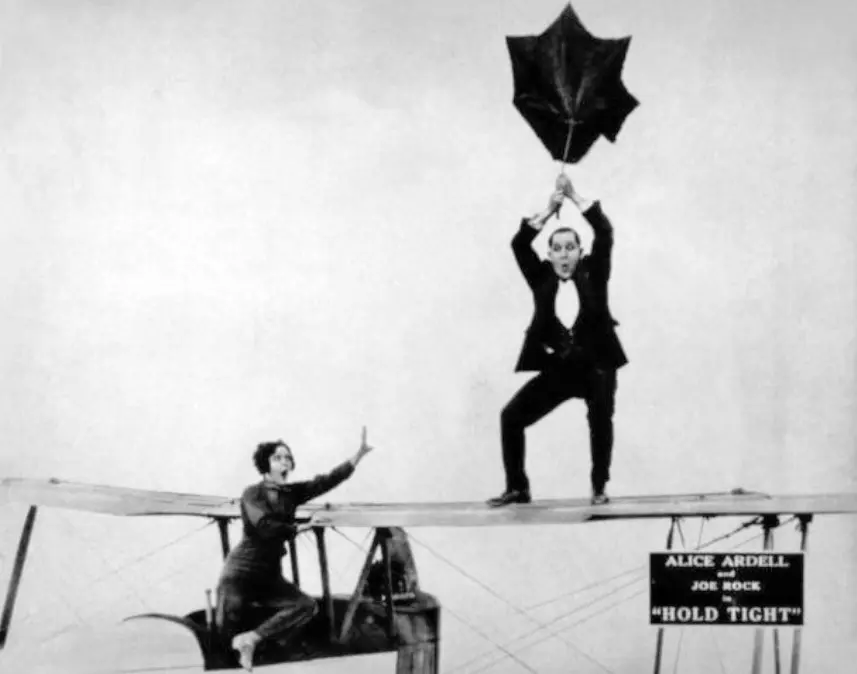
There is a specific shot where Billy is framed against the horizon, looking down at the mining site. It’s a rare moment of composition that feels intentional and grand. It reminds me of the visual ambition seen in The Heart Bandit, where the environment becomes a character itself.
The editing is sharp. The cuts between the heroine's distress and Billy’s approach create a rhythmic tension that was quite advanced for a short comedy. It’s not just a series of gags; it’s a constructed sequence of suspense.
However, the film suffers from the common 'silent film flicker' in modern transfers. This can be distracting, but for the purist, it adds to the authenticity of the experience. The lack of elaborate title cards also keeps the focus on the visual narrative.
If you are looking for a deep emotional resonance, look elsewhere. Hold Tight is a machine designed for one purpose: to entertain through movement. It succeeds in that narrow goal. It is a fascinating look at the mid-20s comedy scene before sound changed everything.
I would argue it’s a better watch than many of the more bloated features of the same year. It doesn't overstay its welcome. It gets in, delivers the thrills, and gets out. That is a virtue that many modern films have forgotten.
It also offers a glimpse into the career of Alyce Ardell. While her role is limited to the 'damsel,' she brings a level of intensity to her performance that makes the stakes feel real. She isn't just waiting to be saved; she is actively resisting her captors.
The film features impressive practical stunts that put modern green-screen action to shame. The writing by Tay Garnett adds a layer of grit that was rare for the time. The short runtime makes it an easy, accessible entry point for silent cinema.
The character motivations are paper-thin. The villain is a caricature of greed with no nuance. Some of the physical gags feel repetitive by the third act.
To understand Hold Tight, one must understand the 1920s obsession with the 'Frontier' and land rights. This was a recurring theme in films like Potash and Perlmutter and The Pleasure Buyers, though those films handled the themes with more social commentary.
In Hold Tight, the mining rights are a MacGuffin. They exist only to facilitate the chase. Yet, there is something poignant about the hero fighting for the legal rights of a woman. It’s a subtle nod to the shifting social dynamics of the era, seen in more detail in films like Petticoats and Politics.
The film also highlights the divide between the independent shorts and the big studio features. Joe Rock was an independent spirit, and that independence is reflected in the rough-around-the-edges feel of the production. It lacks the polish of a Chaplin feature, but it has more heart.
Hold Tight is a punchy, aggressive piece of silent cinema. It doesn't ask for your respect; it demands your attention. Joe Rock is a force of nature, and Tay Garnett’s script provides just enough framework to keep the chaos organized. It’s a minor work, but a vital one for understanding the evolution of the action-comedy.
It works. But it’s flawed. If you can look past the age and the simplicity, there is a core of pure cinematic energy here that is still infectious today. Don't expect a masterpiece; expect a wild ride through a long-gone version of Hollywood.
IMDb —
1918
Community
Log in to comment.