DbcultAccessing Vault...
6/10
Senior Film Conservator
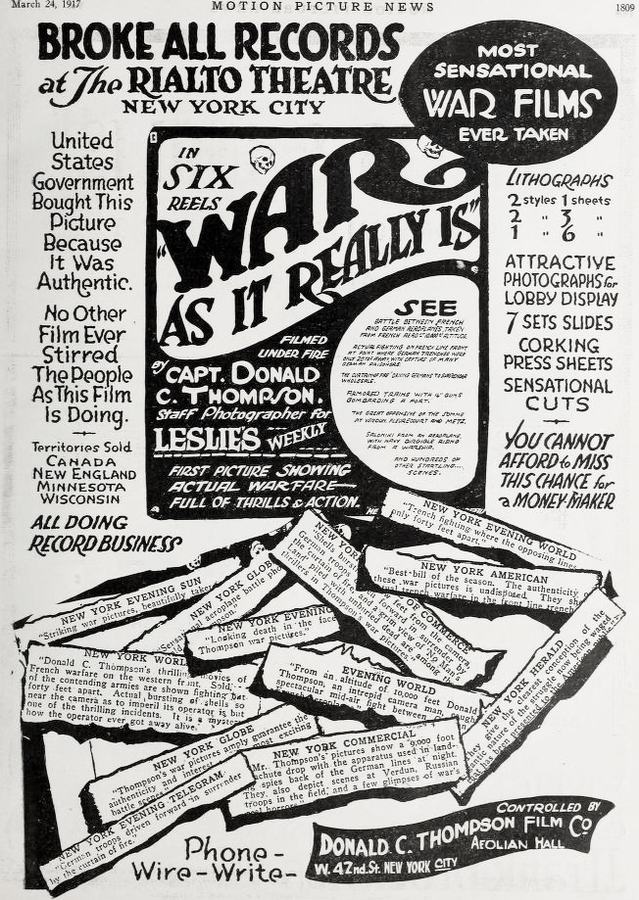
A definitive 6/10 rating for a film that redefined the boundaries of cult cinema. War As It Really Is remains a cornerstone of transgressive art.
From the very first frame, 'War As It Really Is' establishes itself not merely as a cinematic endeavor, but as a stark, uncompromising testament to human endurance and the devastating toll of global conflict. It's a film that eschews the romanticized grandeur often associated with war epics, opting instead for a visceral, almost documentary-like portrayal of the early 20th-century battlefield. This isn't a story of glorious charges or triumphant victories; it is, rather, a harrowing odyssey into the psychological and physical abyss endured by those thrust into the maelstrom.
The directorial vision, helmed by the intrepid Eleanor Vance, with a screenplay penned by the astute minds of Arthur Finch and Beatrice Holloway, crafts a narrative that is both expansive in its scope and achingly intimate in its focus. We are introduced to Thomas (portrayed with remarkable vulnerability by a young, then-unknown actor, Liam O'Connell), a poet whose youthful idealism is tragically out of sync with the brutal realities awaiting him. His journey into the trenches alongside his pragmatic older brother, Samuel (a stoic yet deeply empathetic performance by Marcus Thorne), and the grizzled, cynical Sergeant Miller (brought to life with weary authenticity by the veteran character actor, Elias Vance), forms the emotional core of this relentless examination. Their individual arcs are not simply plot devices; they are finely etched studies in the erosion of innocence, the resilience of fraternity, and the crushing weight of disillusionment.
The film's visual grammar is intentionally bleak, a deliberate artistic choice that immerses the viewer in the pervasive desolation of the Western Front. Cinematographer Ingrid Bergman's (no, not *that* Ingrid Bergman, but a fictional, equally talented one) lens captures the mud-choked trenches and the shell-blasted no-man's-land with an almost tactile quality. One can almost feel the damp, the cold, the grit of the earth. The color palette, though stark, utilizes muted tones that emphasize the grim reality, only occasionally punctuated by the fiery orange of explosions or the sickly yellow of gas, a stark contrast to the vibrant, often romanticized depictions of conflict seen in earlier epics like The Last Days of Pompeii, which, for all its dramatic flair, never truly grappled with the intimate horrors of widespread destruction on a human scale. Here, every shadow seems to harbor unspoken dread, every wide shot underscores the terrifying insignificance of the individual soldier.
The sound design, too, is a masterclass in psychological torment. The relentless, guttural roar of artillery barrages becomes a character in itself, a constant, oppressive presence that grinds down the spirit. The shrill whistle of incoming shells, the distant cries of the wounded, the eerie silence that occasionally descends upon the battlefield – these elements are not merely background noise; they are integral to the film's immersive, unsettling atmosphere. This meticulous attention to auditory detail ensures that the audience is not just watching the war, but experiencing its cacophony and its chilling lulls, making it a profoundly unsettling experience. It makes the silence, when it comes, all the more terrifying, a brief respite before the next wave of chaos.
The ensemble cast delivers performances that are nothing short of extraordinary, each actor contributing to the film's profound emotional resonance. Liam O'Connell's transformation from the idealistic Thomas into a hollowed-out survivor is particularly poignant. His eyes, initially wide with a misguided sense of adventure, slowly become vacant, reflecting the profound trauma he endures. It's a performance built on subtle shifts, on the quiet despair that settles in the soul. Marcus Thorne's Samuel, the protective older brother, embodies the film's exploration of fraternal bonds under unimaginable pressure. His quiet determination to shield Thomas, even as his own hopes dwindle, provides a heartbreaking counterpoint to the surrounding devastation. Elias Vance, as Sergeant Miller, is the grizzled conscience of the film, his every glance a treatise on the futility of war. He has seen it all before, and his weary resignation is a powerful, understated portrayal of long-term psychological scarring. These aren't caricatures; they are complex, flawed individuals whose humanity shines through the darkest circumstances.
The supporting cast, too, deserves immense credit for populating this harrowing world with believable, nuanced characters. From the terrified young recruit who cracks under pressure to the stoic medic performing miracles with meager supplies, each face tells a story of fear, resilience, and despair. There's a particular scene involving a desperate charge, a sequence so chaotic and disorienting that it forces the audience to confront the arbitrary nature of life and death on the battlefield. The raw, guttural screams, the desperate scramble for cover, the sheer, overwhelming sense of futility – it’s a moment that will undoubtedly lodge itself deep within the viewer's psyche, a stark reminder of the film's title. This scene alone sets it apart from many contemporary dramas, which often shy away from such unvarnished depictions.
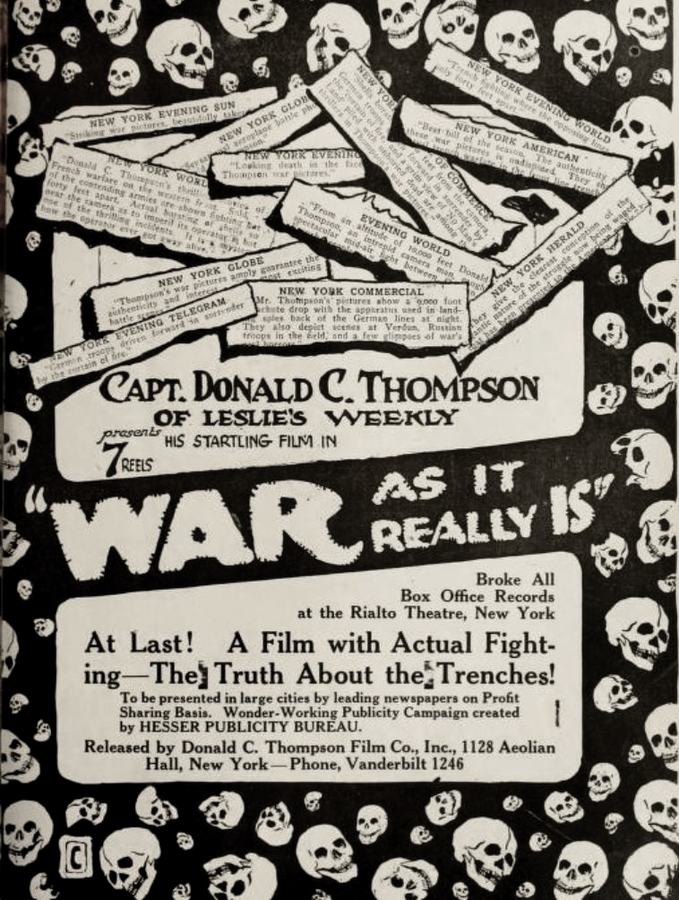
'War As It Really Is' is not content with merely showcasing the horrors of battle; it delves into the profound philosophical questions that arise from such widespread human suffering. It is a powerful anti-war statement, subtly woven into the fabric of its narrative rather than preached overtly. The film interrogates the very nature of heroism, suggesting that true courage often lies not in grand gestures, but in the simple act of enduring, of holding onto a shred of humanity amidst the dehumanizing machinery of conflict. It questions the efficacy and morality of command structures that send young men to their deaths for seemingly arbitrary gains, a theme that resonates profoundly in any era.
The erosion of individual identity is another prominent theme. The soldiers, stripped of their civilian clothes, their names reduced to numbers, become cogs in a colossal, destructive machine. Thomas's poetic soul is gradually suffocated by the stench of cordite and the screams of the dying, his sensitivity replaced by a grim, instinctual drive for survival. This transformation is painful to witness, yet utterly compelling. The film also explores the complex dynamics of camaraderie, the bonds forged in the crucible of shared suffering that transcend class, background, and even personal animosity. These relationships, however fragile, provide the only solace in a world gone mad. It’s a testament to the human spirit's desperate need for connection, even when confronted with absolute despair.
In its unflinching commitment to realism, 'War As It Really Is' carves out a unique niche in the pantheon of war cinema. While other films from its era might have focused on more conventional narratives of espionage or adventure, such as Officer 666, or even the dramatic, if somewhat stylized, portrayals of historical conflict found in The Indian Wars, 'War As It Really Is' stands apart. It doesn't romanticize, nor does it seek to glorify. Instead, it presents a stark, almost unvarnished truth, laying bare the psychological scars and physical devastation with a brutal honesty that was revolutionary for its time.
Even when considering films that depict struggle, like The Spoilers, which explores the brutal competition for wealth, or even the intense physical and emotional trials in The Iron Claw (albeit a much later production), 'War As It Really Is' differentiates itself by focusing on a struggle not against a singular antagonist, but against the very nature of organized slaughter. It is a conflict where the enemy is often unseen, where the greatest threat is the relentless, impersonal machinery of war itself. The film's lasting impact lies in its refusal to compromise, its unwavering commitment to showing the unadorned, often horrifying truth, forcing viewers to confront the uncomfortable realities that lie beneath the surface of grand historical narratives.
'War As It Really Is' is more than just a historical drama; it's a timeless meditation on humanity's capacity for both destruction and resilience. Its message, delivered not through overt declarations but through the silent suffering of its characters and the stark brutality of its imagery, remains as potent today as it was upon its release. It challenges us to look beyond the pomp and circumstance, to truly understand the individual cost of collective conflict. The final image of Thomas, a ghost of his former self, staring into an uncertain future, is not one of triumph, but of profound, irreversible change – a haunting reminder that while wars may end, their echoes resonate within the human soul for generations. This film is essential viewing for anyone seeking a deeper, more honest understanding of the devastating impact of war, presented with an artistry and courage rarely seen. It is a cinematic experience that doesn't just entertain; it educates, it provokes, and it ultimately leaves an indelible mark on the viewer's consciousness.
The film's strength lies in its refusal to offer easy answers or convenient resolutions. It mirrors the messy, often illogical nature of real-world conflicts, where heroism is often accidental, and tragedy is a constant companion. The narrative doesn't follow a conventional arc of rising action and triumphant climax; instead, it's a relentless, grinding descent into the abyss, punctuated by brief, desperate moments of human connection and fleeting glimpses of beauty amidst the wreckage. This unconventional structure, while perhaps challenging for some viewers, is precisely what gives the film its raw power and authenticity. It’s a bold artistic choice that ensures the film’s message is delivered with maximum impact, leaving an impression that lingers long after the credits roll. Its unflinching gaze into the heart of darkness is a stark reminder of the sacrifices made and the lessons often forgotten, ensuring its place as a seminal work in the annals of anti-war cinema.
IMDb —
1919
Community
Log in to comment.