DbcultAccessing Vault...
6.6/10
Senior Film Conservator
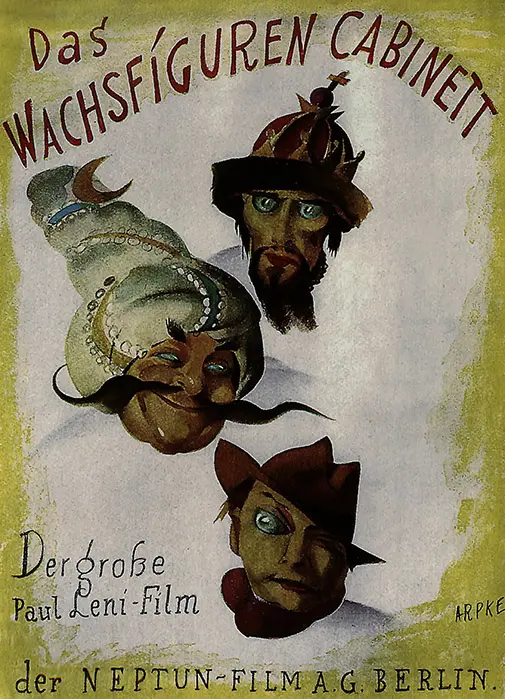
A definitive 6.6/10 rating for a film that redefined the boundaries of cult cinema. Waxworks remains a cornerstone of transgressive art.
The flickering phantoms of early cinema often hold a peculiar, almost ghostly, allure, and few embody this spectral charm quite like Paul Leni’s 1924 German Expressionist marvel, Waxworks (original title: Das Wachsfigurenkabinett). It’s a film that doesn't merely tell stories; it weaves a tapestry of nightmares, desires, and the very act of artistic creation, all filtered through a lens of stylized dread. Far from a simple anthology, Leni’s work is a meta-narrative triumph, an exploration of the power of imagination and the seductive dangers of losing oneself within the fictions one conjures. It’s a seminal piece, often overshadowed by its more famous brethren like The Cabinet of Dr. Caligari, yet possessing a distinct, disquieting beauty that resonates decades later.
Our journey begins in the hushed, somewhat eerie environs of a wax museum, a setting inherently ripe for the macabre. The proprietor, a figure of genial melancholy, seeks to breathe new life into his static collection. His solution? To hire a young, ambitious writer – a wonderfully earnest William Dieterle – tasked with crafting sensational, compelling backstories for three of his most notorious exhibits: the infamous Jack the Ripper, the tyrannical Ivan the Terrible, and the opulent Harun al-Rashid. This premise alone sets the stage for a delightful plunge into the depths of historical villainy, but Leni, ever the artist, elevates it beyond mere historical reenactment. He introduces a crucial, transformative element: the writer’s burgeoning affection for the proprietor’s daughter, Eva (Olga Belajeff). This innocent romance becomes the crucible in which the writer’s imagination truly ignites, as he casts himself and Eva into the very heart of his macabre tales, blurring the lines between creation, desire, and peril.
The genius of Waxworks lies precisely in this framing device. It’s not just a collection of scary stories; it's a commentary on storytelling itself, on the artist's subjective experience, and how personal emotions can color, distort, and even endanger the creative process. The writer's pen doesn't just describe events; it conjures entire worlds, populated by his own fears, hopes, and romantic yearnings. This psychological layering is what elevates Waxworks beyond many of its contemporaries. While films like Drama na okhote might explore the psychological turmoil of its characters, Waxworks turns the very act of imagination into the central dramatic conflict, making the writer's internal world as vivid and dangerous as any external threat.
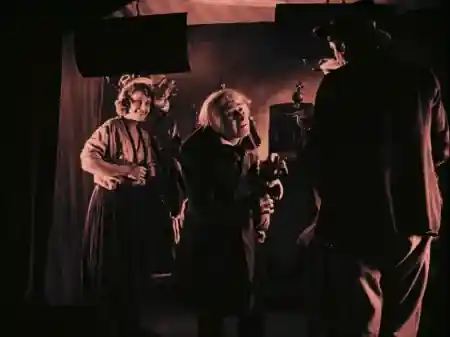
The first vignette, centering on Harun al-Rashid, played with delightful bombast by Emil Jannings, transports us to a fantastical Baghdad. Here, the writer envisions himself as a baker, desperately trying to protect his beloved Eva from the Caliph’s insatiable appetite for beautiful women. Jannings, a titan of silent cinema, imbues Harun with a magnificent, almost childish petulance, a larger-than-life figure whose whims dictate life and death. His performance is a masterclass in theatricality, perfectly suited to the Expressionist aesthetic. The sets, reminiscent of Arabian Nights illustrations, are a triumph of stylized design, with exaggerated arches and shadows creating an otherworldly atmosphere. This segment, while perhaps the least overtly horrific, establishes the recurring motif of the writer and Eva’s doomed romance, a thread woven through all three tales, each time with increasingly dire consequences. It’s a testament to Leni’s vision that even in this relatively light-hearted, albeit suspenseful, tale, the undercurrent of impending doom for the imagined lovers is palpable.
Next, we plunge into the chilling, snow-laden world of Ivan the Terrible, brought to life with terrifying intensity by Werner Krauss. Krauss, who famously portrayed Dr. Caligari, here delivers another unforgettable performance as the paranoid, power-mad Tsar. The writer, again, finds himself and Eva caught in the emperor's cruel machinations, witnessing firsthand the arbitrary brutality of absolute power. The visual language of this segment is particularly striking, with stark contrasts between the gleaming opulence of the court and the shadowy corners where intrigue and murder fester. Ivan’s paranoia is depicted through distorted close-ups and frenetic editing, reflecting his fractured mind. Krauss’s portrayal of Ivan is less about historical accuracy and more about embodying the psychological torment of a tyrant, a man consumed by suspicion and fear, a performance that truly stands alongside his iconic Caligari. The oppressive atmosphere and the sense of inescapable fate for the characters here are profoundly unsettling, a stark reminder of the darker side of human nature that Leni so expertly explores.
However, it is the final, most disturbing segment, featuring Conrad Veidt as Jack the Ripper, that truly solidifies Waxworks as a horror classic. Veidt, with his skeletal elegance and piercing gaze, transforms the notorious killer into an almost ethereal harbinger of death, a shadow figure who stalks the streets of London with an unsettling grace. The writer, now fully immersed in his narrative, envisions himself and Eva as the Ripper’s next victims, trapped in a terrifying, inescapable chase. This sequence is a masterclass in suspense, relying heavily on Expressionist lighting and set design to create a sense of claustrophobia and dread. The distorted angles, the elongated shadows, and the stark black-and-white cinematography amplify the feeling of existential terror. Veidt's performance is chillingly understated, his movements precise and predatory, embodying pure, unadulterated menace. The blurring of lines between the writer's imagination and his perceived reality reaches its terrifying peak here, as the Ripper appears to breach the confines of the story, threatening the writer and Eva in the 'real' world of the museum. This meta-narrative twist is where the film truly shines, demonstrating Leni's audacious vision.
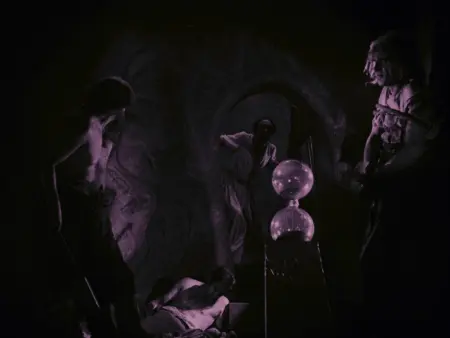
The visual artistry of Waxworks is, naturally, its most immediate and enduring legacy. As a quintessential German Expressionist film, it revels in the exaggerated, the distorted, and the symbolic. The sets are not merely backdrops; they are active participants in the emotional landscape of the film. Jagged angles, skewed perspectives, and painted shadows create a dreamlike, often nightmarish, world where external reality reflects internal turmoil. The lighting, a hallmark of Expressionism, is used to sculpt faces, emphasize gestures, and cast foreboding silhouettes. This meticulous attention to visual detail ensures that every frame is a work of art, contributing to the overall sense of unease and psychological tension. The film’s aesthetic is a direct precursor to much of modern horror cinematography, establishing visual tropes that would be revisited for decades. Its influence can be seen in countless films that prioritize atmosphere and psychological depth over jump scares, making it a foundational text for understanding the evolution of cinematic horror.
Beyond its aesthetic triumphs, Waxworks is a profound meditation on the creative process itself. The writer’s struggle to find inspiration, his immersion in the lives of his characters, and the blurring of boundaries between his world and theirs, offer a fascinating glimpse into the artist’s psyche. It’s a testament to the power of imagination, but also a cautionary tale about its potential to consume. The film suggests that stories, once given life, can take on a terrifying autonomy, demanding their own conclusions. This theme of the artist’s perilous journey into their own creations is timeless. While films like The Primrose Ring might explore the romantic ideals of creation, Waxworks delves into its darker, more dangerous aspects, where the line between storyteller and victim becomes perilously thin.
The performances across the board are phenomenal, a testament to the talent pool of Weimar cinema. Conrad Veidt, Werner Krauss, and Emil Jannings, each a giant in his own right, deliver iconic portrayals that etch themselves into the viewer's memory. Their physicality, their exaggerated gestures, and their ability to convey complex emotions without dialogue are nothing short of masterful. Olga Belajeff as Eva, and William Dieterle as the writer, provide the grounding emotional core, their vulnerability and youthful innocence acting as a stark contrast to the monstrous figures they encounter. Their chemistry, though subtle, is crucial to investing the audience in their imagined fates. The silent era, often underestimated, truly allowed actors to hone a unique form of expression, and Waxworks is a prime example of this artistry.
Leni’s direction is nothing short of visionary. He expertly juggles the three distinct narratives while maintaining a cohesive stylistic and thematic thread. His use of dissolves, superimpositions, and tracking shots, though rudimentary by today’s standards, was innovative for its time, creating seamless transitions between the 'real' world of the museum and the fantastical realms of the writer’s imagination. The pacing, though deliberate, never lags, each segment building in intensity and dread. The climax, with its frenetic chase through the museum, is a brilliant piece of filmmaking, an almost proto-slasher sequence that still manages to thrill and terrify. It's a reminder that true horror doesn't always need gore or jump scares; often, it's the psychological tension and the fear of the unknown that truly chills to the bone. This film's structure, an anthology within a frame, predates many others, making it a significant influence on the format.
Waxworks is more than just a historical artifact; it's a living, breathing work of art that continues to resonate with audiences and filmmakers alike. Its exploration of identity, the creative impulse, and the seductive power of the grotesque remains as potent today as it was a century ago. It’s a film that demands repeated viewings, each time revealing new layers of meaning and artistic brilliance. For anyone interested in the roots of cinematic horror, the peak of German Expressionism, or simply a deeply unsettling and visually stunning cinematic experience, Waxworks is an essential watch. It stands as a testament to the boundless imagination of early filmmakers and their ability to craft enduring tales of terror and wonder. Its influence, subtle yet pervasive, can be traced through generations of films that dare to venture into the darker corners of the human psyche and the transformative power of art.
One cannot discuss Waxworks without delving deeper into its masterful deployment of the grotesque. The very premise—wax figures, static and lifeless, yet representing figures of immense vitality and horror—is inherently grotesque. Leni uses this foundational element to explore the human fascination with depravity and power. The figures of Jack the Ripper, Ivan the Terrible, and Harun al-Rashid are not just historical characters; they are archetypes of human excess, cruelty, and desire. The film doesn't shy away from depicting their monstrousness, but it does so through the filter of art and imagination, making the horror more psychological than visceral. The distorted faces, the exaggerated movements of the actors, particularly Krauss and Jannings, contribute to this sense of the grotesque, turning human forms into almost caricatures of their inner turmoil.
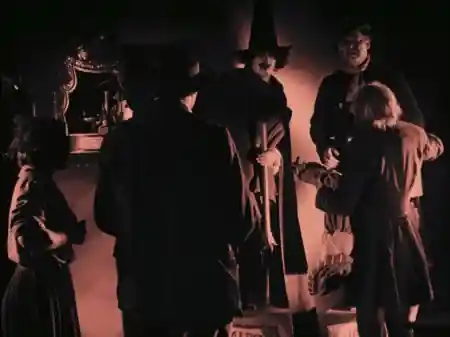
The juxtaposition of the writer’s innocent love for Eva with the brutal realities of his imagined worlds creates a profound tension. This contrast highlights the fragility of beauty and innocence in the face of overwhelming evil. The grotesque here serves not just to shock but to provoke thought about the nature of humanity, the thin veneer of civilization, and the ever-present shadow of our primal instincts. Leni’s Expressionist style is perfectly suited to this exploration, as it allows for the externalization of internal states, making the psychological grotesque manifest in the physical world of the film. This approach is far more impactful than a literal depiction of violence, relying instead on suggestion, atmosphere, and the viewer’s own imagination to fill in the horrifying blanks. It’s a sophisticated use of horror that resonates deeply.
While not the first film to feature multiple stories, Waxworks is arguably one of the most influential early examples of the anthology horror film, specifically one unified by a framing device. The way the writer’s reality bleeds into his fictional narratives, and vice-versa, adds a layer of sophistication that goes beyond mere segmented storytelling. It elevates the individual tales into components of a larger, more complex psychological drama. This structural innovation paved the way for countless future anthology films, from horror classics to more experimental narratives. The film demonstrates how a strong overarching theme and a compelling frame story can transform disparate tales into a cohesive and impactful whole. The personal involvement of the writer in each segment ensures that the audience remains invested in the frame story, making the transitions between narratives feel organic and purposeful rather than disjointed.
Moreover, the choice of historical figures for the individual segments allows Leni to explore different facets of evil and power, from the calculated cruelty of Jack the Ripper to the capricious tyranny of Ivan the Terrible and the hedonistic despotism of Harun al-Rashid. Each story offers a distinct flavor of dread, showcasing the versatility of the horror genre even in its nascent stages. The film’s ability to conjure such varied atmospheres within a single production is a testament to the creative prowess of its director and production designers. It's a masterclass in how to build distinct worlds while maintaining a singular artistic vision. The success of this format surely inspired others to explore similar narrative structures, demonstrating the enduring appeal of multiple terrifying tales woven together by a compelling overarching premise.
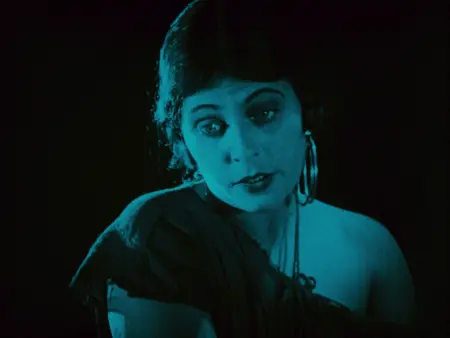
The influence of Waxworks, while sometimes subtle, is undeniably far-reaching. Its Expressionist aesthetics, particularly the use of shadow, distorted sets, and psychological horror, laid groundwork for generations of filmmakers. You can see echoes of its visual style in everything from Universal's monster movies of the 1930s to the neo-noir thrillers of today. The idea of the artist confronting their own creations, or the thin veil between reality and fiction, is a theme that continues to fascinate. Films that explore dream logic or the subjective experience of horror owe a debt to Leni's pioneering work. The film's unique blend of historical drama, psychological thriller, and gothic horror elements created a blueprint that many would follow, often without realizing its origins.
Furthermore, the stellar performances by Conrad Veidt, Werner Krauss, and Emil Jannings set a high bar for villainous portrayals in cinema. Their ability to convey complex, often monstrous, characters through exaggerated physicality and intense facial expressions influenced countless actors in the silent and early sound eras. The enduring power of these performances speaks volumes about the timeless quality of their craft. While other films from the era, such as Komtesse Doddy or Der Tänzer, might showcase impressive acting, the sheer iconic villainy on display in Waxworks is unparalleled. The film's contribution to the lexicon of cinematic horror is undeniable, making it a crucial piece of film history that continues to captivate and disturb.
In conclusion, Waxworks is a profound cinematic experience, a vibrant and unsettling journey into the heart of imagination and fear. It’s a film that demands to be seen, studied, and celebrated for its innovative narrative structure, its breathtaking Expressionist visuals, and its unforgettable performances. Paul Leni crafted a masterpiece that transcends its era, offering a timeless exploration of art, identity, and the shadows that lurk within the human soul. It remains a powerful reminder of the artistic heights achieved during the silent film era, a true gem in the crown of German Expressionism. Its ability to create such a potent atmosphere of dread and wonder with relatively simple means is a testament to the sheer ingenuity of its creators. This film doesn't just entertain; it haunts, it provokes, and it inspires, cementing its place as an indispensable work in the canon of world cinema.
IMDb —
1923
Community
Log in to comment.